
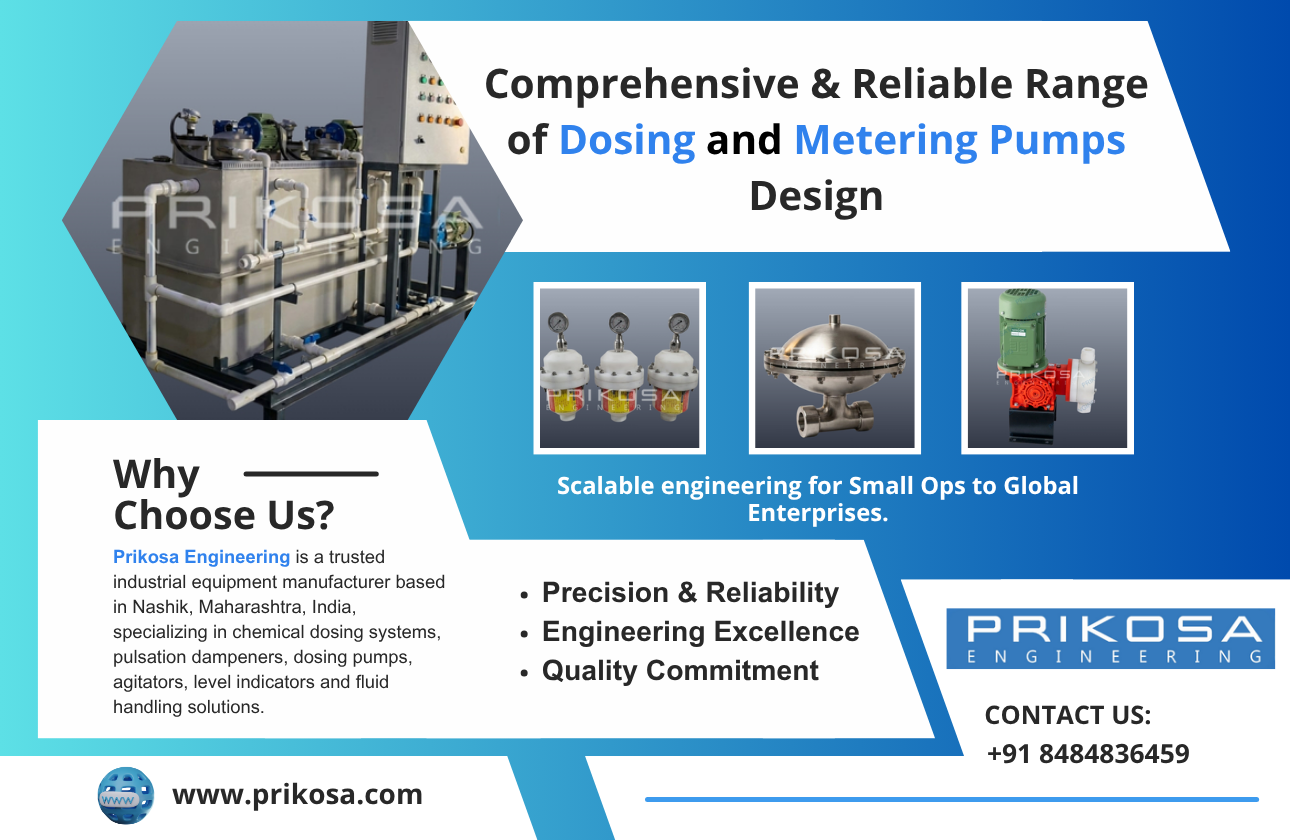
Understanding Polymer Dosing Systems
Polymer dosing systems are essential for sewage treatment plants (STP). These systems introduce polymers to the water to help separate solid matter from liquids. It’s like using a magnet to pull iron shavings out of sand. The polymers, which are long-chain molecules, help bind the solid particles together in clumps for easier removal. This makes the treatment process more efficient. Mastering Polymer Dosing Systems for STP offers insights into how these systems optimize sewage treatment.
The Basics of Polymer Dosing
At its core, a polymer dosing system accurately measures and adds polymers to the sewage at specific points. Systems vary, but they all aim to enhance flocculation, where particles naturally come together to form bigger clusters. This improves the efficiency of sedimentation and filtration processes in Sewage Treatment Plants. Whether you are setting up a small plant or a large municipal facility, the right polymer dosing system is crucial.
How It Works
The polymer dosing system is quite straightforward. First, it dilutes the polymer in water for a more manageable concentration. Then, a dosing pump adds this mix into the sewage flowing through the treatment plant. The system can be manual or automatic. An Automatic Flocculant Dosing System is highly efficient, adjusting the polymer flow based on the sewage’s solid content.
Why Use a Polymer Dosing System?
The primary goal is improving the separation of solid waste from water. When solids are efficiently removed, it ensures cleaner output water. These systems also reduce the load on secondary treatment processes, saving on energy and resources. Many plants have noted lower costs and higher efficiency after implementing polymer systems.
Sustainability Benefits
By optimizing the efficiency of sewage treatment, these systems contribute to reducing the use of hazardous chemicals. This not only benefits the environment but also enhances the safety and health conditions of plant workers. Additionally, the recycling of treated water becomes more feasible, promoting sustainable practices. For further insights on sustainable operations you can check Exploring the World of Chemical Dosing Skids.
Choosing the Right System
Selection depends on several factors such as the size of the treatment plant, the composition of the sewage, and budget constraints. Consulting with experts is always a good idea. They can evaluate the plant's needs and suggest the most suitable system, whether it be a manual setup for smaller plants or a highly automated system for larger operations. Understanding the different options can be explored further in Understanding Chemical Dosing Systems.
Polymer Dosing System for STP
In Sewage Treatment Plants, polymer dosing systems are widely used to clarify waste-water effectively. It's amazing how these systems can handle a vast array of wastewater types, adapting the amount of polymer based on real-time data. This adaptability leads to efficient handling of waste, even with fluctuating sewage qualities. Choosing the right polymer, the concentration, and system type can dramatically impact overall plant performance.
Advanced Technologies in Polymer Dosing
Recent advancements have made these systems more efficient. Technologies like real-time monitoring and control systems adjust dosages automatically for optimal results. This becomes crucial in places with varying sewage characteristics. Employing Sodium Flocculant Dosing Pump technology alongside can enhance the purification process.
Frequently Asked Questions
1. How does a polymer dosing system improve sewage treatment?
Answer: It enhances flocculation, binding solid particles together for easier removal, thereby improving sedimentation and filtration efficiency.
2. Can these systems be adapted for different sewage compositions?
Answer: Absolutely. They are designed to adjust the amount of polymer added based on the sewage quality and contents.
3. Are automatic systems better than manual ones?
Answer: While both have their merits, automatic systems offer higher efficiency and accuracy, especially for larger treatment plants.
4. What factors should be considered when choosing a polymer system?
Answer: Consider the size of the plant, sewage composition, budget, and whether automation is necessary for your operations.
5. How do these systems contribute to sustainability?
Answer: They reduce hazardous chemical use and ensure cleaner water output, supporting a safer environment and encouraging water recycling.