
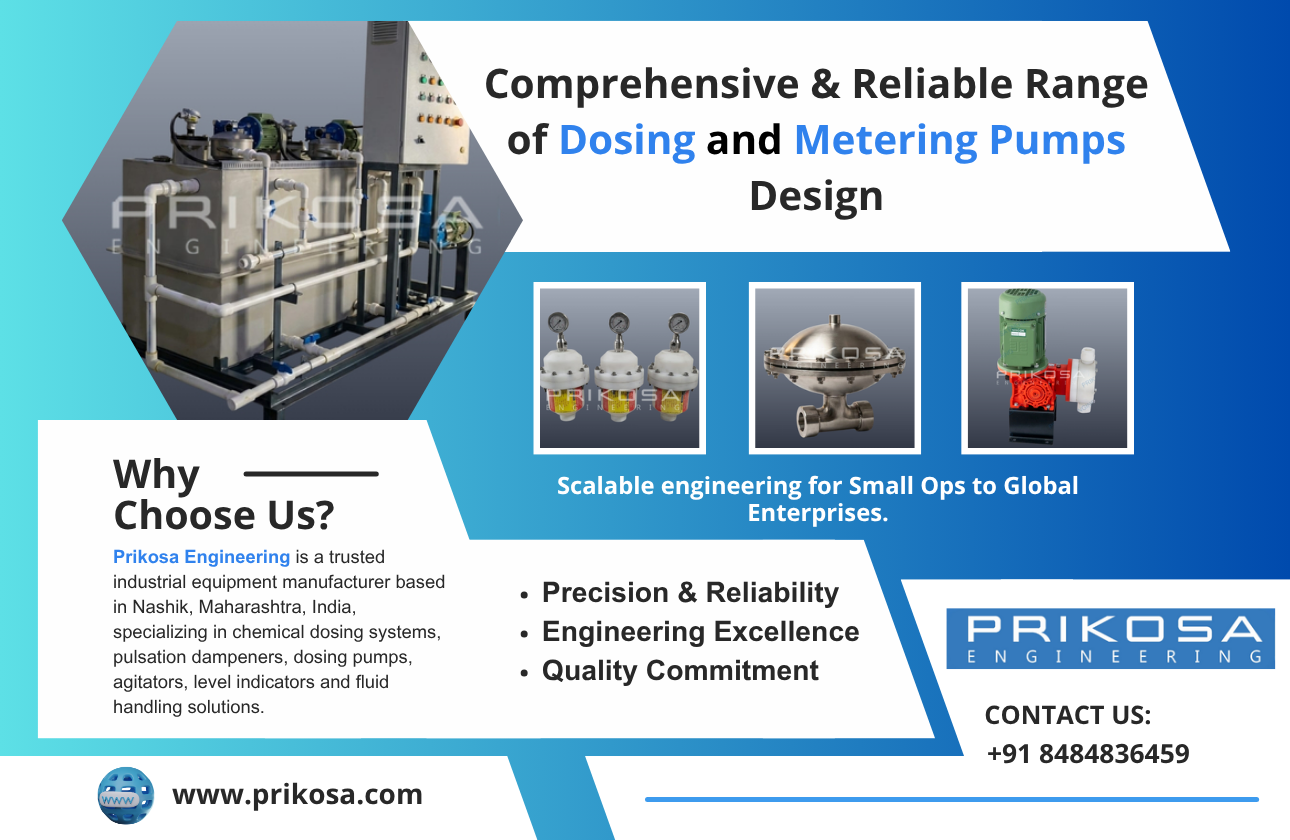
Understanding Polymer Dosing Systems for STP
Polymer dosing systems are crucial in managing the complex process of sewage treatment. Their primary role is to aid in the clarification, dewatering, and stabilization of sewage by introducing specific polymers that facilitate the removal of unwanted particles. These systems are particularly important in chemical dosing systems as they ensure effluent quality meets environmental standards. By automating the delivery of precise polymer quantities, these systems help maintain efficiency and consistency, minimizing potential errors that can arise from manual dosing.
Benefits of Polymer Dosing Systems
The use of polymer dosing systems in sewage treatment plants (STP) offers multiple advantages. They optimize the coagulation and flocculation processes, improving water clarity and quality. Consistent polymer dosing can dramatically enhance the dewatering of sludge, reducing waste and associated disposal costs. Such systems also contribute to environmental sustainability by lowering the amount of chemicals needed, and improving overall plant performance. With the integration of these dosing systems, STPs can operate more autonomously, allowing professionals to focus on complex problem-solving rather than routine tasks.
The Role of Automation in Polymer Dosing
Automation in polymer dosing systems ensures precise and timely delivery of chemicals to various stages of sewage treatment. This precision is essential for achieving optimal results in water treatment processes. Automatic flocculant dosing systems are designed to adapt to varying sewage conditions and adjust the dosage accordingly, which is crucial during fluctuations in sewage composition. Automated systems provide a significant advantage by minimizing human error, enhancing operational efficiency, and ensuring compliance with stringent environmental regulations.
Choosing the Right Polymer Dosing System
Selecting the right polymer dosing system involves considering the specific requirements of the sewage treatment plant. Factors such as the type of waste, the desired level of treatment, and budget constraints play a vital role in decision-making. It is essential to consult experts or conduct thorough research to identify a system that matches the plant's needs. Additionally, investing in quality equipment, like the sodium flocculant dosing pump, ensures longevity and reliability, providing a better return on investment over time.
Implementing a Polymer Dosing System in STP
The implementation of a polymer dosing system is a strategic process that begins with an evaluation of the current treatment setup. Understanding the specific needs of the plant allows for a tailored system design that integrates seamlessly into existing processes. Installation should be carried out by trained professionals to ensure optimal setup and functionality. Ongoing maintenance and monitoring are also crucial for identifying any potential issues early on and ensuring the dosing system operates at peak efficiency. With a well-alum dosing system in place, plants can enhance their operational resilience significantly.
Frequently Asked Questions
1. What is a polymer dosing system?
Answer: A polymer dosing system is a setup used in sewage treatment plants to introduce precise amounts of polymers during the treatment process. These polymers aid in coagulation and flocculation to improve water quality.
2. How does automation improve polymer dosing?
Answer: Automation enhances polymer dosing by ensuring accurate, timely, and consistent delivery of chemicals. This reduces human error, optimizes treatment processes, and ensures compliance with environmental regulations.
3. Why is it important to choose the right polymer dosing system?
Answer: The right system increases efficiency, reduces costs, and ensures the plant meets its specific treatment goals. Consulting experts can help identify a system suited to the plant's requirements.
4. Are polymer dosing systems eco-friendly?
Answer: Yes, by optimizing the use of chemicals and enhancing plant performance, polymer dosing systems contribute to environmental sustainability and waste reduction.
5. What challenges might arise with system implementation?
Answer: Challenges include ensuring compatibility with existing plant processes, proper installation, and ongoing maintenance to anticipate and resolve potential operational issues.