
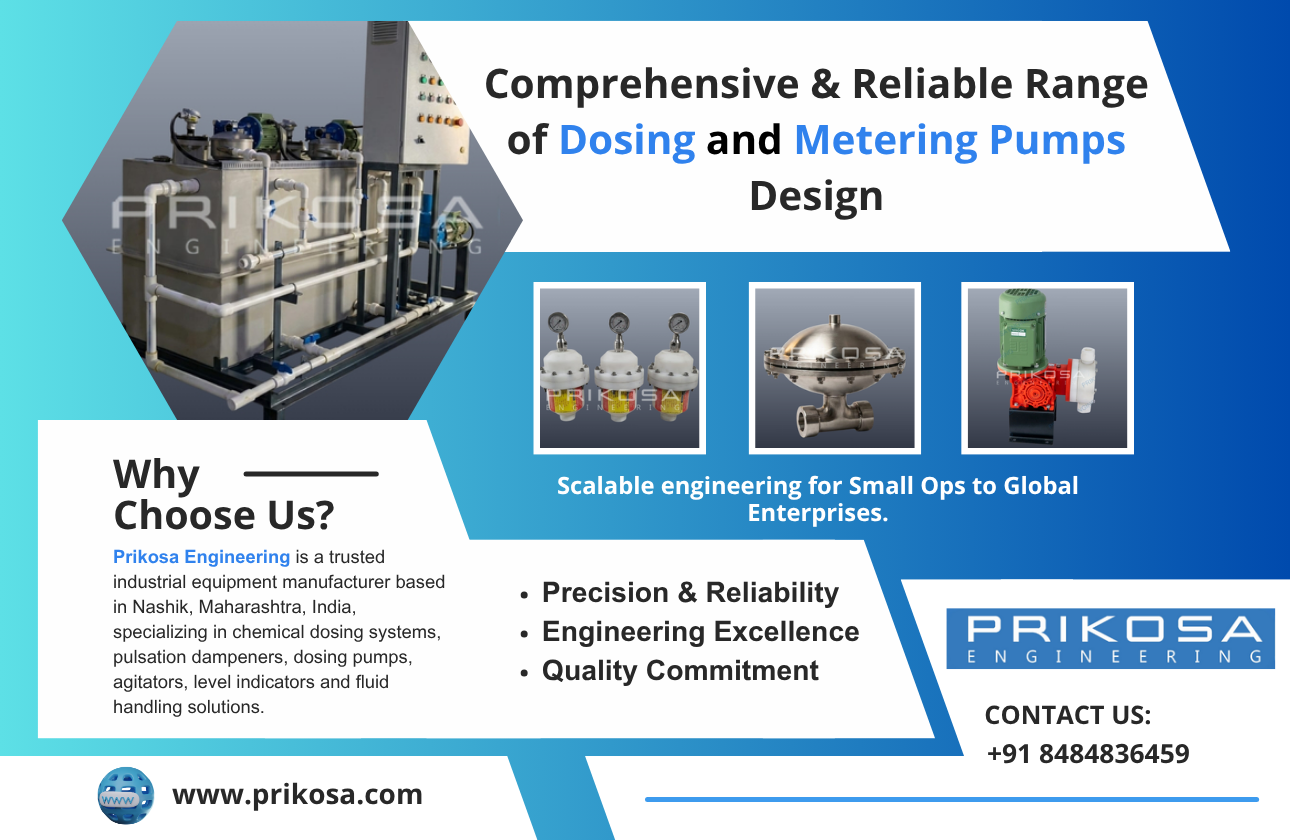
Introduction to Plunger Pumps
Plunger pumps are essential components in various industries, helping move fluids under high pressure. They are known for their efficiency and robustness. A plunger pump works by using a repetitive reciprocating motion of a plunger to move the fluid through a chamber. This design allows the pump to deliver fluids at high pressures, making it ideal for a range of applications, from oil production to chemical processing.
The Mechanics Behind Plunger Pumps
Understanding how a plunger pump functions is crucial for those in industries that require precise fluid control. The pump relies on a plunger that moves back and forth within a cylinder. This movement creates a pressurized flow of liquid through valves positioned in the pump. The simplicity of its mechanics, combined with the ability to handle high pressure, makes the plunger pump both reliable and durable.
Applications of Plunger Pumps
Plunger pumps find use in many sectors due to their capacity to handle high-pressure systems. In the oil and gas industry, they are used for both extraction and refining processes. In the chemical sector, these pumps are crucial for transferring chemicals safely and efficiently. Their precision and reliability make them equally valuable in food processing, where maintaining specific fluid measurements is important.
Plunger Type Metering Dosing Pumps
Plunger type metering dosing pumps are designed for situations where precise amounts of chemicals or other fluids need to be added to a process. This exactitude is vital in industries where a slight error could result in product failure. These pumps provide unparalleled accuracy and are often used in water treatment and chemical processing. Their design ensures that the same volume is dispensed in each cycle, which is crucial for maintaining consistency.
The Advantages of Hydraulic Type Metering Dosing Pumps
Hydraulic type metering dosing pumps offer additional benefits over their counterparts. They incorporate hydraulic mechanisms to bolster performance, providing increased pressure capabilities and stable flow rates. Such pumps are beneficial in industrial settings that demand high precision and reliability. Their hydraulic systems ensure smooth operation and reduce wear and tear, extending the pump's lifespan. This efficiency is particularly advantageous when dealing with corrosive or hazardous chemicals.
The Importance of Regular Maintenance
For optimal performance, plunger pumps require regular maintenance. This involves periodic inspections and cleaning to ensure no blockages impede their function. Regular maintenance helps in detecting potential issues early, avoiding costly repairs or replacements. Proper upkeep ensures that plunger pumps continue to function at their best, which is critical in industries where downtime can result in significant financial losses.
Choosing Your Plunger Pump
Selecting the right plunger pump involves considering the specific needs of your industry. Factors such as pressure requirements, fluid type, and the environment in which the pump will operate can influence your choice. Seeking expert advice or consulting with manufacturers can help you make an informed decision. It's also essential to choose a pump with a proven track record in your industry to ensure reliability and efficiency.
Frequently Asked Questions
1. What is a plunger pump?
Answer: A plunger pump is a positive displacement pump that uses a plunger moving through a cylinder to move fluids with high pressure. They are known for their ability to handle heavy-duty tasks in a variety of industries.
2. Where are plunger pumps commonly used?
Answer: Plunger pumps are commonly found in the oil and gas industry, chemical manufacturing, water treatment plants, and food processing facilities due to their high-pressure capabilities and efficiency.
3. How does a plunger type metering dosing pump differ from other pumps?
Answer: A plunger type metering dosing pump offers precise control over the amount of fluid delivered. This precision is crucial for tasks that require exact dosing, such as in chemical processing and water treatment.
4. What are the benefits of using a hydraulic type metering dosing pump?
Answer: Hydraulic type metering dosing pumps offer enhanced performance with stable flow rates and higher pressure. Their hydraulic systems enable smooth operation, making them ideal for demanding industrial applications.
5. How can I maintain my plunger pump effectively?
Answer: Regular maintenance, including cleaning and inspecting the pump's components, helps detect any wear and tear early. This proactive approach prevents breakdowns and extends the lifespan of the pump.