
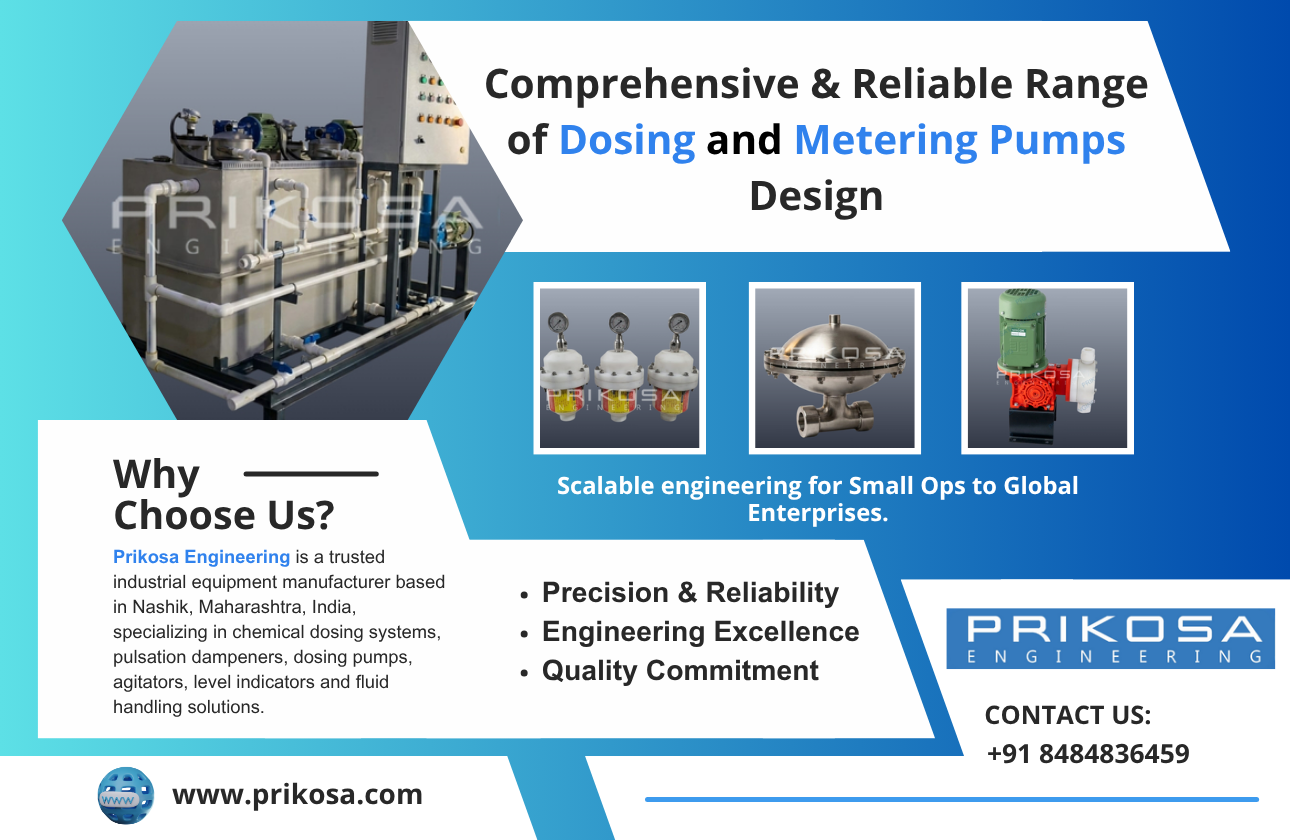
Introduction to Sodium Hypochlorite Dosing Pumps
Sodium Hypochlorite Dosing Pumps are an essential part of water treatment processes. They precisely deliver sodium hypochlorite into water systems to disinfect and purify water. These pumps play a crucial role in ensuring that the water is safe for consumption and use. The dosing is accurate, making the process efficient and reliable while minimizing chemical waste and optimizing the use of sodium hypochlorite.
How Sodium Hypochlorite Dosing Pumps Work
The operation of these pumps involves drawing sodium hypochlorite from storage containers and injecting it into the water system under controlled conditions. This process involves a pump mechanism that ensures a specific amount of chemical is added to the water. With a focus on precision, they maintain the necessary concentration levels needed for effective water treatment. The pumps are equipped with various control features, including timers and sensors, helping maintain the right dosage even in changing water conditions.
Benefits of Using Sodium Hypochlorite Dosing Pumps
Using sodium hypochlorite dosing pumps offers several benefits. First, they improve the quality of water by effective disinfection, reducing pathogens and making it safe. Additionally, the controlled dosing limits the exposure to potential chemical overuse, which can cause environmental harm or damage infrastructure. These pumps are cost-effective because they optimize the amount of sodium hypochlorite used, reducing wastage. Moreover, they require minimal maintenance, saving time and costs associated with manual interventions.
Applications of Sodium Hypochlorite Dosing Pumps
This technology finds applications in various settings. In municipal water treatment facilities, they provide continuous water disinfection. In industrial settings, they are used to sanitize equipment and processes that require clean water. They are also prevalent in swimming pools to maintain hygienic water conditions. Furthermore, these pumps help manage algae and biofilm growth in pipeline systems by consistently administering an appropriate dosage of sodium hypochlorite.
Maintenance of Sodium Hypochlorite Dosing Pumps
Regular maintenance of these pumps is vital for their longevity and effectiveness. Periodic cleaning to prevent blockages in the pump system is recommended. Manufacturers advise checking seals and connections to avoid leaks, ensuring the pumping system remains efficient. Additionally, periodic calibration of controls and sensors is essential for maintaining dosing accuracy. A proactive maintenance schedule can prevent unexpected downtimes and extend the life of the equipment.
Sodium Hypochlorite Dosing Pump Technologies
Advancements in dosing pump technology have led to the development of smart and automated systems. These innovations integrate digital controls allowing for remote monitoring and management. Sensors provide real-time data enabling automatic adjustments to dosing levels based on water quality conditions. Such technologies improve efficiency and can significantly reduce operational costs. They are ideal for complex applications, providing a scalable solution depending on the specific needs of a facility.
Frequently Asked Questions
1. What is the main purpose of a Sodium Hypochlorite Dosing Pump?
Answer: The primary purpose of a Sodium Hypochlorite Dosing Pump is to inject a precise amount of sodium hypochlorite into water systems. This ensures the water is disinfected and safe for use, minimizing pathogens and optimizing chemical use.
2. How often should Sodium Hypochlorite Dosing Pumps be serviced?
Answer: These pumps should be serviced regularly as part of a maintenance plan. This typically involves cleaning blockages, checking seals, and recalibrating controls periodically to maintain optimal performance and prevent breakdowns.
3. Can Sodium Hypochlorite Dosing Pumps be used in residential setups?
Answer: While they are primarily used in industrial or municipal settings, some residential systems might use smaller pumps for pool maintenance or private water supplies. It is crucial to follow the manufacturer's guidelines for safe and effective use at this scale.
4. What are common issues with Sodium Hypochlorite Dosing Pumps?
Answer: Common issues include blockages or leaks due to improper maintenance, incorrect dosage levels, and mechanical wear over time. These can generally be addressed through routine checks and servicing.
5. Are there environmental concerns associated with using these pumps?
Answer: When used correctly, Sodium Hypochlorite Dosing Pumps are environmentally friendly as they reduce chemical wastage. However, misuse or over-dosing can lead to chemical runoff, which may harm the environment. Proper operation and maintenance are key.