
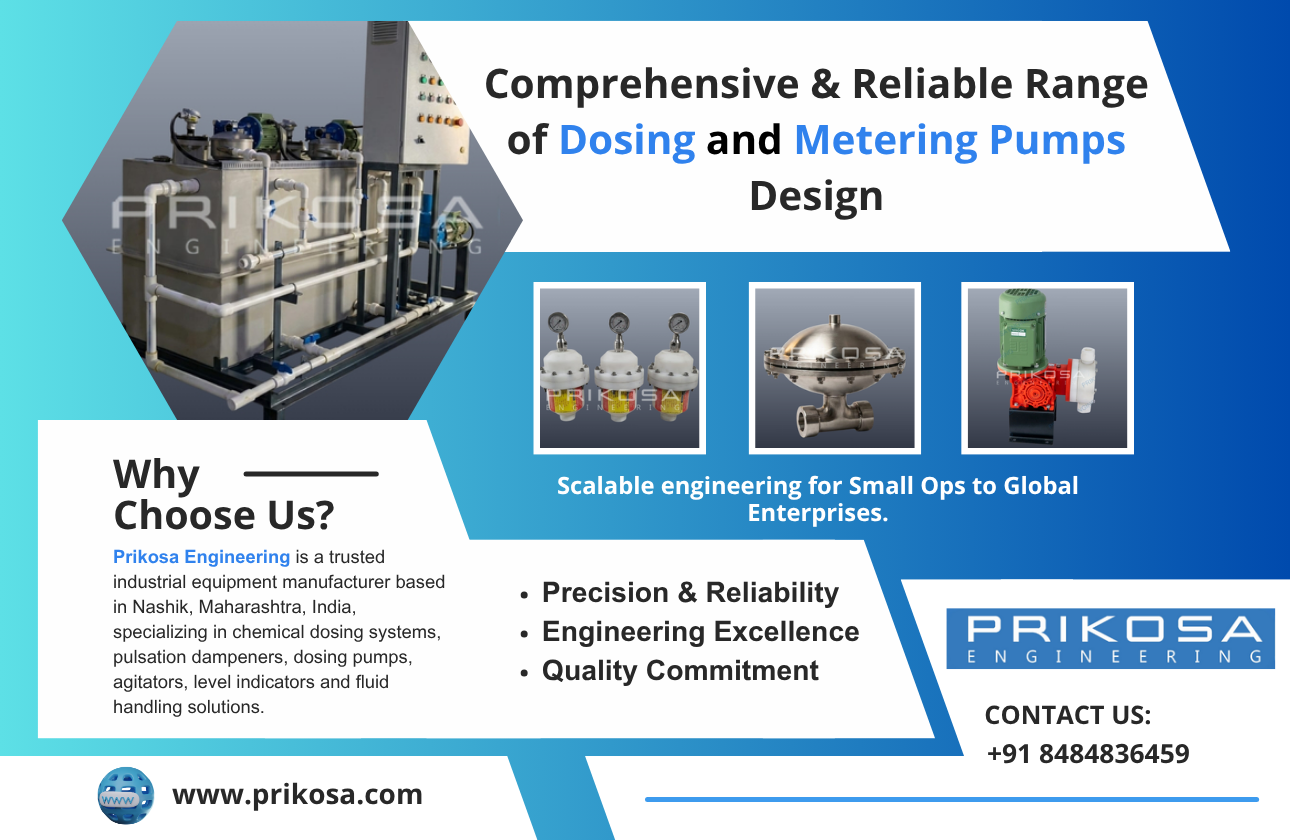
Introduction to Diaphragm Type Dampeners
In various industries, ensuring the smooth operation of machinery and systems is critical. One often overlooked component in maintaining efficiency and reliability is the diaphragm type dampener. These devices are specifically designed to minimize pulsations in fluid systems, thus helping to maintain steady pressure and flow. By doing so, they not only enhance the performance of the system but also prolong its lifespan. Understanding the intricacies of how they function can be beneficial for anyone involved in industrial operations.
The Functionality of Diaphragm Type Dampeners
A diaphragm type dampener works mainly by absorbing the pulses generated by reciprocating pumps. When a pump operates, it often causes the liquid to flow in surges or pulses. This can lead to vibrations and noise, which might not just be annoying but could cause wear and tear on components over time. The dampener addresses this by using a flexible diaphragm that compresses and absorbs these surges, thereby smoothing out the flow. This function makes the system more predictable and controllable, which is valuable in precise industrial processes.
Benefits of Using Diaphragm Type Dampeners
Several benefits come with the use of diaphragm type dampeners. First, they reduce the wear and stress on pipelines and components, resulting in lower maintenance costs and less downtime. They also help decrease noise, which is an important factor in ensuring a safe and comfortable work environment. Moreover, these dampeners play a critical role in maintaining consistent flow rates and pressure, which are essential for chemical dosing systems and other precision-demanding processes. By reducing the chances of system malfunction, they can also enhance safety in operations.
Applications of Diaphragm Type Dampeners
Diaphragm type dampeners are widely used across different industries, such as chemical processing, water treatment, and food manufacturing. In flocculant dosing systems for instance, maintaining a steady flow of chemicals is crucial for efficient operation. By ensuring this stability, dampeners help in achieving the desired outcome without the risk of fluctuations. The versatility of these devices makes them integral in settings where precision and reliability are critical.
Key Features to Look for in a Diaphragm Type Dampener
When selecting a diaphragm type dampener, several features can indicate a high-quality product. These include material construction, which should be durable and resistant to the specific chemicals used in your processes. The ease of maintenance and availability of replacement parts are also essential considerations for long-term use. Additionally, compatibility with existing systems and ease of installation are factors that can save time and reduce costs. For detailed installation guidance, exploring diaphragm dampeners could provide more practical insights.
Challenges and Maintenance of Diaphragm Type Dampeners
Despite their benefits, maintaining diaphragm type dampeners requires attention to potential challenges. Regular inspections are necessary to ensure the diaphragm is intact and functioning correctly. Any leaks or signs of wear must be addressed immediately to prevent system failure. Additionally, understanding the specific needs of your system can help in routine maintenance and long-term planning. A comprehensive maintenance schedule can help identify potential issues before they escalate, keeping the system running efficiently and safely.
Frequently Asked Questions
1. How does a diaphragm type dampener reduce pulsations?
Answer: It uses a flexible diaphragm to absorb the pressure spikes produced by pumps, smoothing the flow of liquids and reducing pulsations significantly.
2. What industries benefit most from these dampeners?
Answer: Chemical processing, water treatment, and food manufacturing industries benefit considerably, especially those requiring precise and consistent flow systems.
3. Can diaphragm type dampeners improve system safety?
Answer: Yes, by creating a smooth flow and reducing mechanical stress, they enhance system reliability and safety, minimizing the risk of accidents.
4. How often should dampeners be inspected?
Answer: Regular inspections are recommended, typically coinciding with general maintenance schedules, to replace worn parts and check for leaks.
5. Are diaphragm dampeners eco-friendly?
Answer: They can contribute to sustainability by reducing system wear and energy consumption, thereby minimizing environmental impact through efficient operations.