
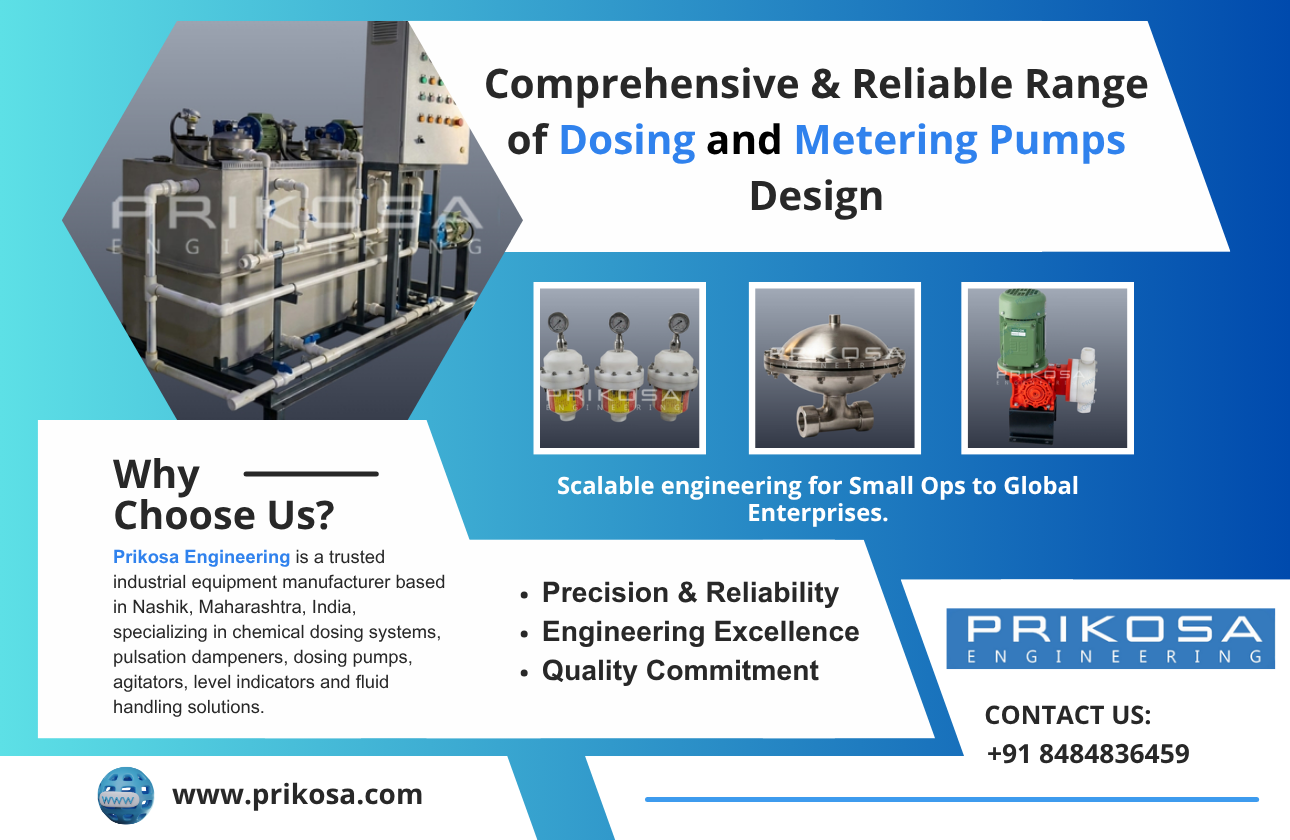
Introduction to Chemical Dosing Systems
Chemical dosing systems play a crucial role in various industries by ensuring accurate delivery of chemical substances. These systems are designed to add specific amounts of chemicals into a fluid stream, effectively managing the concentration of chemicals in a process. The importance of these systems cannot be understated as they help maintain process efficiency, ensure safety, and meet regulatory standards.
Components of a Chemical Dosing System
A chemical dosing system typically consists of a few key components, including a storage tank, dosing pump, control system, and distribution network. The storage tank holds the chemicals that need to be dosed. The dosing pump is responsible for moving the chemicals from the tank to the process line. Meanwhile, the control system regulates the amount of chemicals being dosed, ensuring precision and accuracy. Finally, the distribution network ensures the even distribution of chemicals to the designated areas within the system.
Types of Chemical Dosing Systems
There are several types of chemical dosing systems tailored for different application needs. Some of the most common types include manual dosing systems, where chemicals are added manually; automated dosing systems, which use sensors and controllers; and proportional dosing systems, which adjust chemical doses based directly on process flow rates. Choosing the right type of system depends on factors like the nature of the chemical used, the process requirements, and desired automation level.
Applications of Chemical Dosing Systems
Chemical dosing systems are used in numerous fields, such as water treatment, agriculture, food & beverage, and pharmaceuticals. In water treatment plants, they help in water purification by dosing chemicals like chlorine and algaecides. In agriculture, these systems are used to add fertilizers and pesticides in precise amounts. In the food and beverage industry, they ensure that ingredients are added in exact quantities to maintain product consistency and quality.
Benefits of Using Chemical Dosing Systems
The benefits of chemical dosing systems are vast. They ensure operational efficiency by providing consistent and precise chemical delivery, reducing wastage and saving costs. Additionally, they enhance safety by minimizing human contact with hazardous chemicals. These systems also offer flexibility, allowing for adjustments based on real-time process requirements, which improves overall system reliability.
Challenges in Implementing Chemical Dosing Systems
Despite their many benefits, implementing a chemical dosing system can pose some challenges. These include the high initial setup cost, the need for regular maintenance to ensure accuracy and reliability, and the requirement of skilled personnel to operate and troubleshoot the system. Addressing these challenges is essential for maximizing the system's benefits.
Technological Advancements in Chemical Dosing Systems
In recent years, technological advancements have significantly impacted the development of chemical dosing systems. Innovations like smart sensors and IoT have enhanced system accuracy and efficiency. Smart sensors provide real-time data on chemical concentration levels, which can be monitored remotely. This technology allows for more precise control and early detection of issues, improving overall system performance.
Frequently Asked Questions
1. What is a chemical dosing pump?
Answer: A chemical dosing pump is a component of a dosing system designed to inject a predetermined amount of chemicals into a fluid. It is crucial for achieving precision in chemical delivery.
2. How does a chemical dosing system improve safety?
Answer: By automating the delivery of chemicals, these systems minimize direct human contact with hazardous substances, reducing the risk of accidents and exposure.
3. Are chemical dosing systems used in water treatment?
Answer: Yes, these systems are commonly used in water treatment to ensure that cleaning agents and corrective chemicals are added at the correct concentrations.
4. Can chemical dosing systems be integrated with existing processes?
Answer: Most modern chemical dosing systems are designed to be flexible, making it possible to integrate them with existing industrial processes seamlessly.
5. What maintenance is required for chemical dosing systems?
Answer: Regular maintenance, such as checking for leaks, ensuring calibration, and cleaning components, is critical to maintain system accuracy and reliability.