
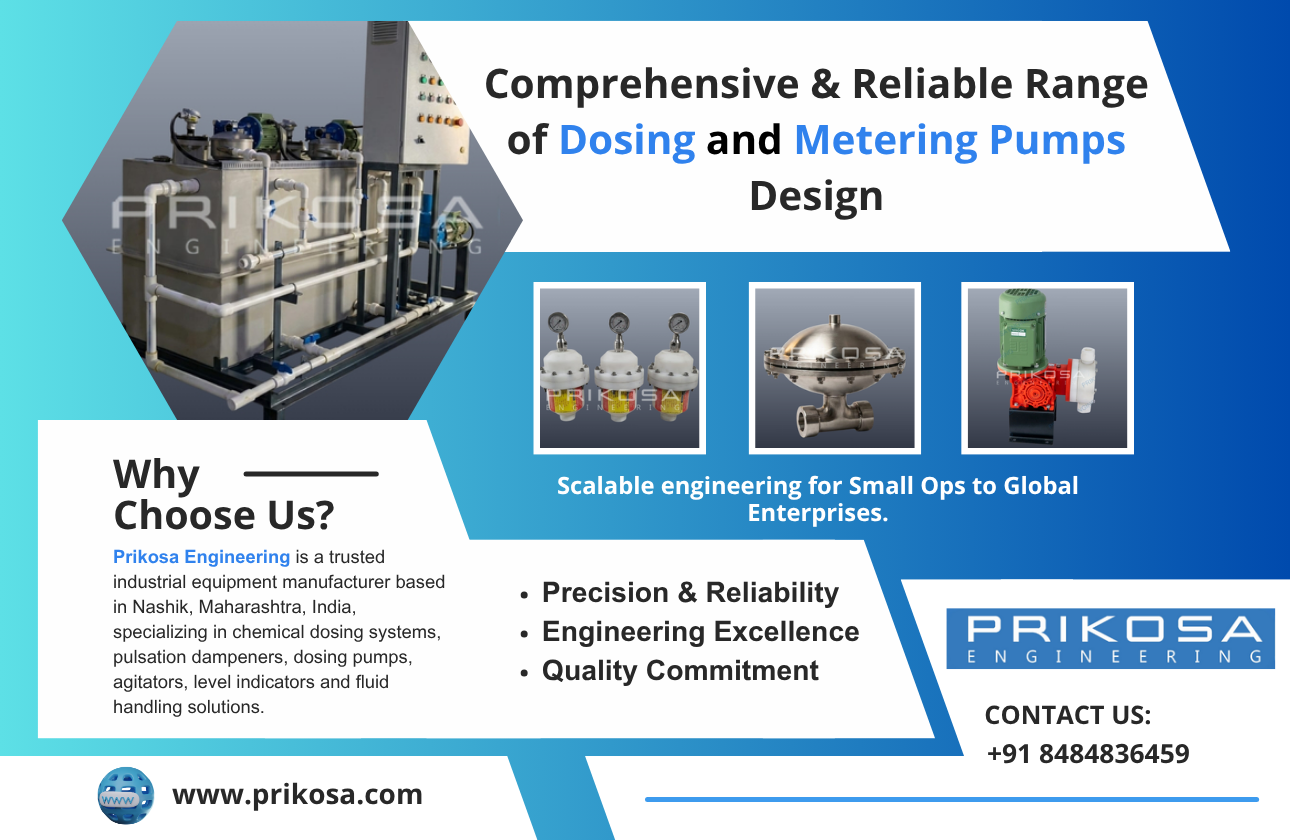
Chemical Flocculation System Explained
The Chemical Flocculation System is pivotal in the realm of water and wastewater treatment. At its core, it is a method designed to remove suspended particles from liquid. Essentially, chemicals, called flocculants, are added to the water, causing the particles to clump together into larger masses known as flocs, which can then be easily removed. This system is critical for preparing water for further purification processes, ensuring that it is safe and clean for consumption or disposal.
How Chemical Flocculation Works
The functioning of a Chemical Flocculation System involves several key steps. Initially, the liquid is treated with a coagulant, which neutralizes the negative charges of particles in the water, allowing them to stick together. Since these particles are tiny, it's difficult to filter them out directly. The flocculants added afterward promote forming larger clusters, or flocs, that are much easier to filter out. This method is widely used in conjunction with other processes, such as sedimentation and filtration, for optimal results.
Benefits of Using Chemical Flocculation
There are multiple advantages to employing a Chemical Flocculation System in water treatment. First, it enhances the clarity of the water, making it suitable for various uses. It is also crucial in ensuring compliance with environmental regulations on water quality. Moreover, this system can be customized to tackle different kinds of impurities, making it a versatile choice for industrial and municipal applications.
Applications Across Industries
The Chemical Flocculation System has broad applications across several industries. In the municipal sector, it is used to ensure safe drinking water. Industrial facilities rely on flocculation to treat wastewater before releasing it into the environment or recycling it for reuse. This system's efficacy makes it indispensable for industries like mining, food processing, and paper manufacturing, where water quality is a critical factor.
Choosing the Right Flocculants
Selecting the appropriate flocculant is crucial for the success of any Chemical Flocculation System. The choice depends largely on the specific application and the types of contaminants present in the water. Generally, flocculants can be organic or inorganic. Organic options include natural products like starch or activated carbon, while inorganic flocculants consist of materials like aluminum sulfate or ferric chloride. Consultation with experts or thorough testing is often required to find the optimal solution for specific needs.
FAQs About Chemical Flocculation Systems
1. What is a Chemical Flocculation System?
Answer: A Chemical Flocculation System is a process used to remove suspended particles from water. By adding chemicals called flocculants, the particles are clumped together into flocs, which can be easily extracted from the liquid.
2. How does flocculation differ from coagulation?
Answer: Coagulation is the first step wherein coagulants neutralize the charges on particles, allowing them to clump together. Flocculation follows, with added flocculants forming larger clusters or flocs from these particles.
3. Why are flocculation systems important?
Answer: Flocculation systems are vital for reducing water turbidity, meeting environmental standards, and ensuring the safety and cleanliness of water for consumption and industrial use.
4. What industries benefit from flocculation systems?
Answer: Industries such as municipal water treatment, mining, food processing, and paper manufacturing benefit greatly from flocculation systems to ensure the quality and safety of their water use and discharge.
5. How are flocculants chosen for a particular system?
Answer: Flocculants are chosen based on the type of contaminants in the water and the specific requirements of the system. This often involves consultation or trial and error to identify the best-suited chemicals for efficient flocculation.