
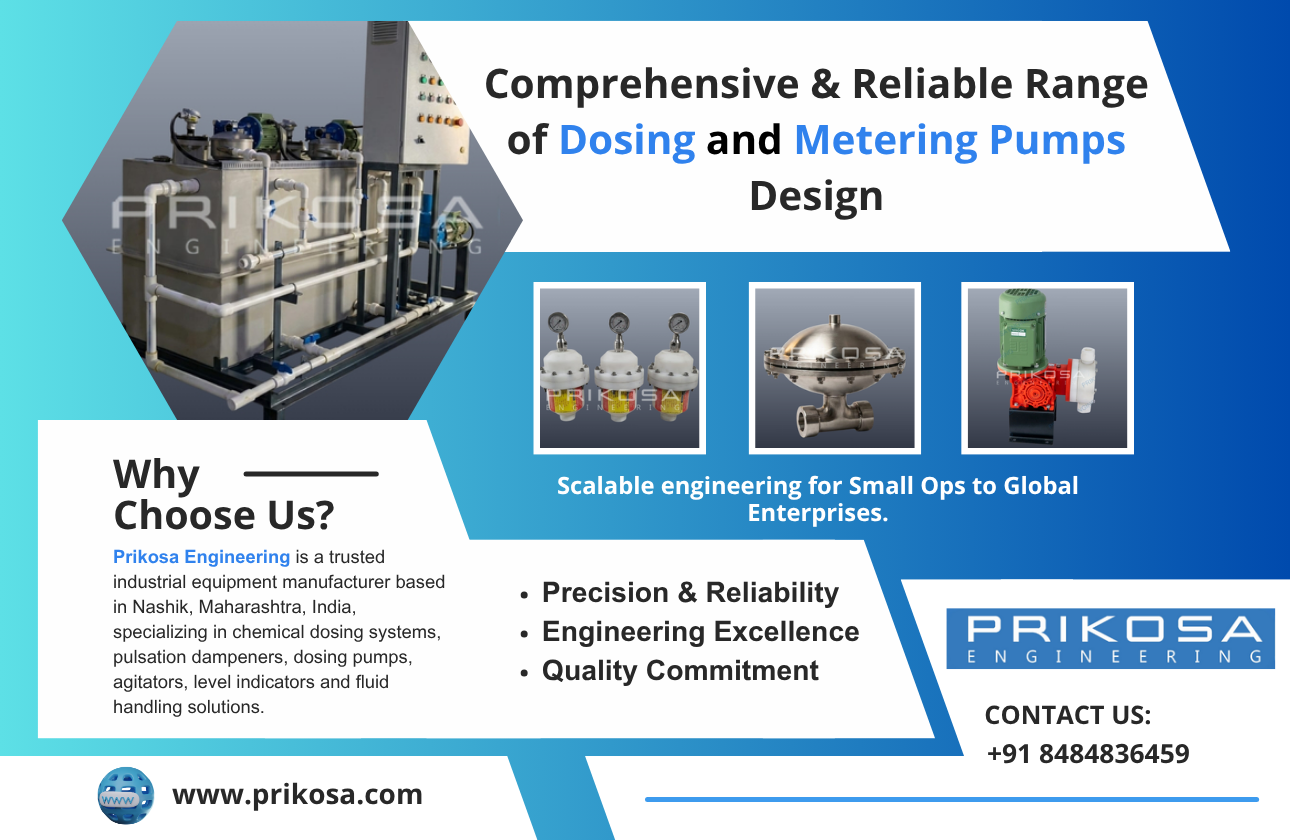
What is a Flocculant Dosing System?
Have you ever wondered how clear water is achieved in treatment plants? A Flocculant Dosing System is the answer. This system is crucial in water treatment as it helps in the coagulation process where tiny particles come together to form larger particles or 'flocs'. These flocs are then easier to remove from water, resulting in clearer and cleaner water. This process is essential in both industrial and municipal water treatment facilities.
How Does a Flocculant Dosing System Work?
Flocculant dosing systems work by automatically adding flocculant solutions to a water stream at precise intervals. The flocculants are usually stored in a tank and then pumped into the water system through chemical dosing skids. The right amount of flocculant ensures efficient particle removal, and it's crucial to have an accurate dosing pump to maintain this balance.
Importance of Flocculant Dosing Systems
The role of flocculant dosing systems cannot be underestimated. They are integral in ensuring that water treatment facilities meet regulatory demands for safe drinking water. Moreover, these systems help in reducing turbidity and removing impurities like heavy metals and pathogens. Ultimately, this leads to improved water quality which is essential for public health and safety.
Introducing Automatic Flocculant Dosing Systems
The rise of automatic flocculant dosing systems has changed the water treatment landscape significantly. These systems minimize human intervention by automating the flow of flocculants based on water quality data. They use sensors and algorithms to determine the right amount of flocculant needed at any given time, enhancing efficiency.
Benefits of Automatic Flocculant Dosing Systems
With automation comes multiple advantages. Firstly, it leads to consistent water quality since adjustments are made in real-time. Secondly, it cuts down operational costs because it reduces the need for manual monitoring. Thirdly, it minimizes the risks of dosing errors which can lead to under or over-treatment of water. These benefits highlight why facilities are increasingly adopting automated systems.
Choosing the Right Flocculant Dosing System for Your Needs
Selecting the correct flocculant dosing system depends on various factors, such as the type of water being treated and the flocculation needs. Consulting with experts or suppliers who understand your requirements is crucial. They can provide tailored solutions, like the difference between pressure reducing valves and other dosing equipment, ensuring you have the best system in place.
Setting Up and Maintaining Your Flocculant Dosing System
Setting up a dosing system involves installing the necessary tanks, pumps, and pipelines. Regular maintenance is vital to ensure that the system functions correctly without interruptions. This includes checking for clogs, calibrating the dosing pumps, and ensuring that the chemical tanks are replaced or refilled timely.
Frequently Asked Questions
1. What is the main purpose of a flocculant dosing system?
Answer: The primary purpose of a flocculant dosing system is to aid in the coagulation process of water treatment by introducing flocculants, which help particles bind together to form larger entities known as flocs, making them easier to remove.
2. How does automation improve flocculant dosing systems?
Answer: Automation improves flocculant dosing systems by ensuring that the right amount of flocculant is added to the water in real-time, reducing the need for manual intervention and allowing for more efficient and consistent water treatment processes.
3. Why is precision important in flocculant dosing?
Answer: Precision is important because an incorrect dosage of flocculants can lead to either ineffective treatment or wasteful overdosing, both of which can compromise water quality and lead to unnecessary costs.
4. Are manual systems still used in water treatment plants?
Answer: Yes, manual systems are still used, especially in smaller facilities or where budget constraints exist. However, many are transitioning to automated systems for better accuracy and efficiency.
5. How often should a flocculant dosing system be maintained?
Answer: Regular maintenance should be performed monthly, but more frequent checks may be necessary depending on the system’s usage and the conditions of the water treatment plant.