
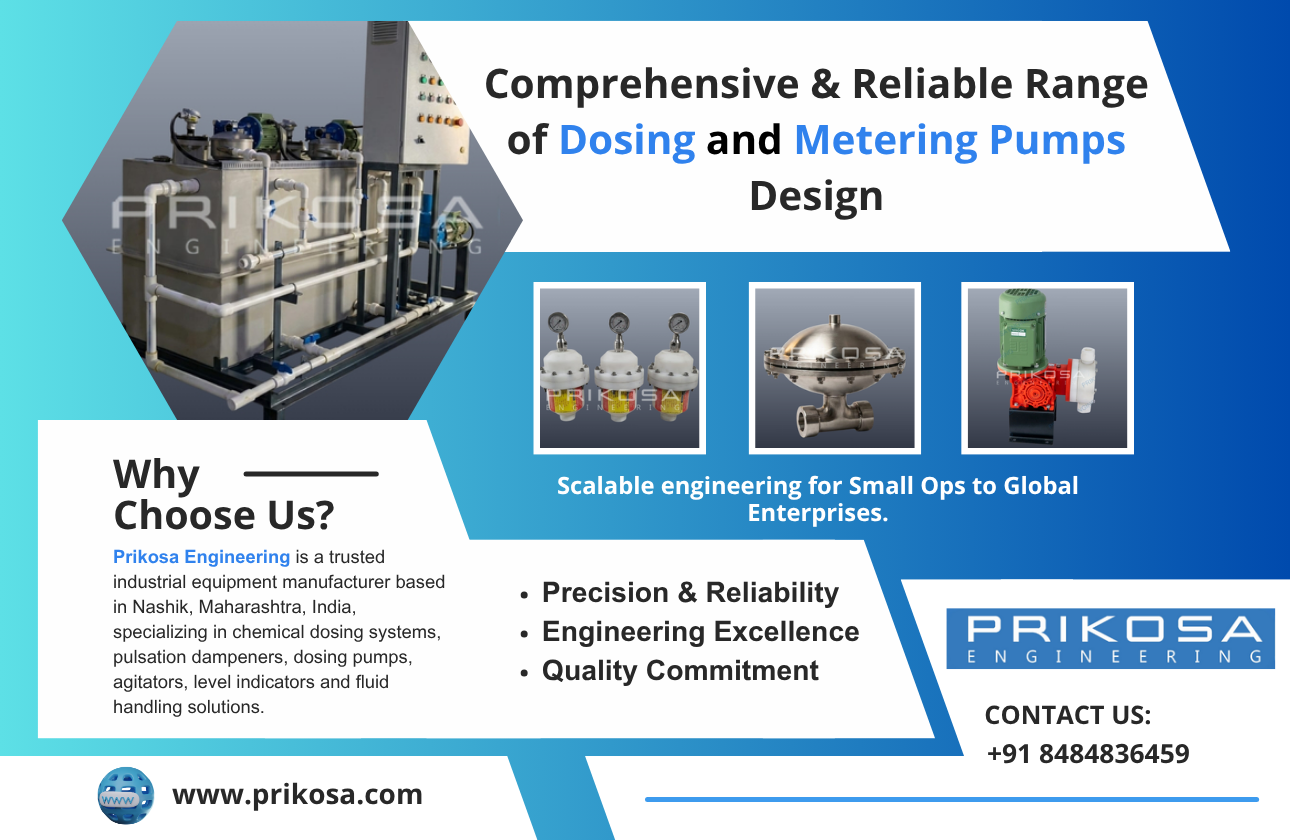
What Are Automatic Floc Dosing Units?
Automatic floc dosing units are essential equipment in water and wastewater treatment processes. These units automatically add flocculants to water, which help in the sedimentation and removal of suspended solids. The goal is to improve water quality by removing impurities effectively. They are crucial in ensuring efficient and consistent water treatment, leading to cleaner and safer water for consumption or use in industrial applications. By automating the dosing process, these units significantly reduce manual intervention, saving time and minimizing human error. Additionally, they contribute to reducing operational costs and increasing overall efficiency in water treatment plants.
How Do Automatic Floc Dosing Units Work?
The operation of automatic floc dosing units revolves around precise chemical dosing. These units are equipped with sensors and control systems that monitor water quality parameters, such as turbidity and flow rate, in real time. Based on the data collected, the system calculates the optimal quantity of flocculant needed and automatically administers it. This is crucial because different levels of impurities require varying amounts of flocculant for effective treatment. As the chemicals are added, they encourage the tiny particles in the water to clump together, forming larger particles that can be easily removed through sedimentation or filtration. This mechanism ensures that the water leaving the treatment process is cleaner and meets regulatory standards.
Advantages of Using Automatic Floc Dosing Units
One of the primary benefits of using automatic floc dosing units is improved water treatment efficiency. By automating the dosing process, these units ensure that the correct amount of flocculant is used, which optimizes the separation of impurities from water. This precise dosing reduces chemical waste and lowers treatment costs. Furthermore, automatic systems are more consistent than manual operations, providing a uniform quality of treated water. They help operators meet stringent environmental regulations and reduce the likelihood of human error, leading to enhanced procedural safety and reliability. This consistency is particularly important in industries where water quality can directly impact product quality or environmental compliance.
Applications of Automatic Floc Dosing Units in Various Industries
Automatic floc dosing units find applications in a wide array of industries. In the wastewater treatment sector, they are vital for ensuring that effluents meet discharge standards. They are also critical in the food and beverage industry, where high water quality can affect product safety and quality. Other significant users include the chemical industry, where process waters need to be treated to remove impurities before reuse or discharge. Moreover, these units are integral in municipal water treatment facilities, ensuring that the tap water supplied to households is clean and safe. With their adaptability and efficiency, automatic floc dosing units are pivotal across sectors that require stringent water quality management.
Automating the Flocculation Process: A Deeper Look
Automating the flocculation process with units like these reduces the need for constant monitoring and adjustment by human operators. This automation is achieved through advanced control systems that adjust dosing based on real-time water conditions. As a result, plants can operate around the clock with minimal supervision. Automation also enhances operational safety by reducing the need for workers to handle chemicals directly. The integration of smart technology in dosing systems also facilitates remote monitoring and control, allowing operators to manage the system from offsite locations. This level of automation and control is particularly beneficial in large-scale operations where manual intervention might be impractical or too costly.
Choosing the Right Automatic Floc Dosing Unit for Your Needs
Selecting the appropriate automatic floc dosing unit for your application depends on several factors. First, consider the water quality and the specific contaminants that need to be targeted. Different units may be optimized for different types of impurities. Next, assess the capacity needs; larger facilities will require units that can handle higher volumes of water. Furthermore, it's crucial to consider the ease of integration with existing systems. Units that offer easy setup and compatibility with other equipment in your treatment process can save time and reduce headaches during implementation. Finally, factor in the cost of operation and maintenance, as these will affect the long-term economic viability of your choice.
Regular Maintenance and Troubleshooting
Keeping your automatic floc dosing units in top condition requires regular maintenance and prompt attention to any operational issues. Regular inspection of the dosing pumps, sensors, and control systems helps in identifying potential problems before they affect the system's performance. Calibration of sensors is particularly crucial to ensure accurate readings and dosing. In case of any operational anomalies, such as overdosing or underdosing, it may be necessary to re-evaluate the control settings or inspect the sensors for any malfunctions. Having a skilled team or service partner to perform these tasks can help maintain the efficiency and reliability of your floc dosing equipment.
Cost-Benefit Analysis of Automatic Floc Dosing Units
While the initial investment in automatic floc dosing units might seem significant, the long-term benefits typically outweigh the costs. The reduction in labor, chemical waste, and potential for regulatory penalties can lead to substantial cost savings. Additionally, the improved efficiency and effectiveness of water treatment processes add value by enhancing product quality and reducing environmental impact. When considering such units, it is essential to weigh the upfront costs against potential savings in operation and compliance. This cost-benefit analysis can help justify the investment and guide future technology upgrades or expansions.
Future of Automatic Floc Dosing Technology
As environmental standards continue to evolve and water scarcity becomes a pressing issue globally, the demand for efficient water treatment solutions like automatic floc dosing units is expected to rise. Innovations in sensor technology and AI-driven data analytics are likely to enhance their precision and reduce the need for human intervention further. Future advancements may also focus on creating more eco-friendly flocculant chemicals to align with sustainable practices. With technology trends moving towards smarter and more integrated systems, automatic floc dosing units will undoubtedly play a critical role in the future landscape of water treatment.
Frequently Asked Questions
1. What is the primary function of an automatic floc dosing unit?
Answer: The primary function of an automatic floc dosing unit is to add precise amounts of flocculants to water to aid in the removal of suspended solids. This helps improve water quality by enhancing the sedimentation and filtration process.
2. How does automation improve the efficiency of floc dosing units?
Answer: Automation enhances efficiency by ensuring that the right amount of flocculant is added at the right time, minimizing waste and ensuring consistent water quality. It also reduces the need for manual monitoring and adjustments, saving labor and reducing errors.
3. In which industries are automatic floc dosing units most commonly used?
Answer: These units are widespread in industries like municipal water treatment, food and beverage processing, chemical manufacturing, and various wastewater treatment applications, where water purities are crucial.
4. What maintenance is required for automatic floc dosing units?
Answer: Regular maintenance involves inspecting and calibrating sensors, ensuring pumps are operational, and checking control systems for optimal performance. Immediate troubleshooting of any issues is also necessary to maintain efficiency.
5. What is the future of automatic floc dosing technology?
Answer: The future of this technology lies in further automation and integration with AI-driven analytics, improving precision, and reducing environmental impacts through the use of more sustainable flocculants.