
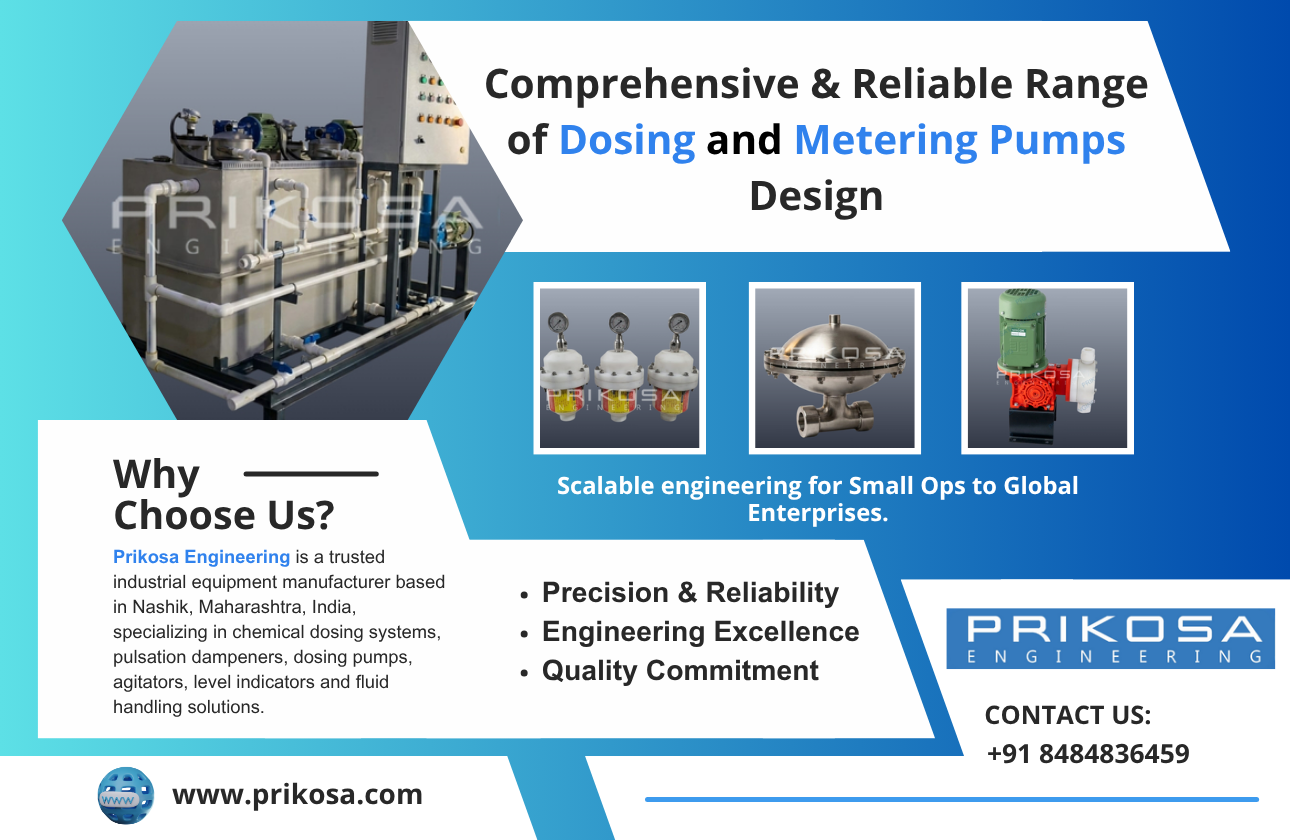
Sodium Hypochlorite Dosing Pump: What Is It?
Sodium Hypochlorite Dosing Pumps are specialized tools used to add a specific amount of sodium hypochlorite to a given process. Sodium hypochlorite, commonly known as bleach, is used as a disinfectant and bleaching agent. These pumps allow for precise control of the dosage, ensuring that the correct amount is delivered. This is crucial in maintaining the desired levels of sanitization and cleanliness in various processes, especially in water treatment and swimming pool maintenance. The pumps ensure that sodium hypochlorite is distributed evenly, preventing over-dosing which can lead to equipment damage or environmental harm.
Why Use Sodium Hypochlorite Dosing Pumps?
The primary reason for using Sodium Hypochlorite Dosing Pumps is to maintain consistency and accuracy in chemical dosing. In industrial settings, manually adding chemicals can lead to human error. These pumps automate the process, reducing the chance of mistakes. Moreover, using a dosing pump dosing pump helps in saving time and labor as they perform consistently without the need for constant monitoring. More efficient than manual processes, they save money by reducing wastage of the chemical.
Applications of Sodium Hypochlorite Dosing Pumps
These pumps have a wide range of applications. Primarily used in water treatment facilities, they ensure that the water is free from harmful microorganisms. Pools also use these pumps to maintain safe levels of chlorine. Sodium hypochlorite dosing is vital in the food industry to keep equipment sanitized and prevent contamination. Similarly, hospitals and clinics use these pumps for sterilization purposes, safeguarding health and safety standards. Understanding these varied applications helps you realize the importance of these pumps in maintaining public health and safety.
Key Components of Sodium Hypochlorite Dosing Pumps
A typical Sodium Hypochlorite Dosing Pump includes several key components: the pump head, which helps in moving the chemical; valves that control the flow and prevent backflow; and controls, which manage the speed and volume of the chemical being dispensed. They also come with safety features such as alarms and shut-off systems to prevent leaks. These features are critical because they help ensure that the pump operates efficiently and safely within industrial settings. For more on how to understand these components, you can explore this resource.
How to Maintain Sodium Hypochlorite Dosing Pumps
Maintaining these pumps is imperative for their longevity and effective functioning. Regular checks and maintenance routines involve checking for leaks, cleaning the components, and calibrating the control mechanisms. This prevents clogging and ensures efficient chemical dosing. Consistent maintenance not only enhances the pump's performance but also prevents potential downtime due to technical failures. To understand how regular maintenance can enhance your operations, click here.
Choosing the Right Sodium Hypochlorite Dosing Pump
When selecting a Sodium Hypochlorite Dosing Pump, consider the flow rate, the chemical compatibility with other substances, and the pump's material. The pump should be able to handle the volume of sodium hypochlorite required for your specific application. You should also consider customer reviews and manufacturer support. For recommendations and guides, check out this helpful guide. Making an informed choice not only optimizes your operations but also saves costs and resources in the long run.
Frequently Asked Questions
1. Are Sodium Hypochlorite Dosing Pumps available for home use?
Answer: Yes, while they are more common in industrial applications, smaller versions of these pumps are also available for domestic purposes, such as in-home water treatment or swimming pools.
2. How do you store a Sodium Hypochlorite Dosing Pump?
Answer: Proper storage involves placing the pump in a dry, cool environment to prevent corrosion. It is also important to run clean water through the system to clear out residual chemicals before storage.
3. Can Sodium Hypochlorite Dosing Pumps be automated?
Answer: Yes, automation is a common feature in these pumps. This allows them to function independently once they are set up properly. This is especially useful for maintaining consistent dosing.
4. What is the lifespan of a Sodium Hypochlorite Dosing Pump?
Answer: The lifespan varies depending on the usage and maintenance. Generally, with regular maintenance, a good quality dosing pump can last several years.
5. Are there any safety concerns when using these pumps?
Answer: Safety is a priority. Always wear protective gear when handling chemicals, ensure regular maintenance, and use safety features like alarms and shut-off systems to prevent accidents.