
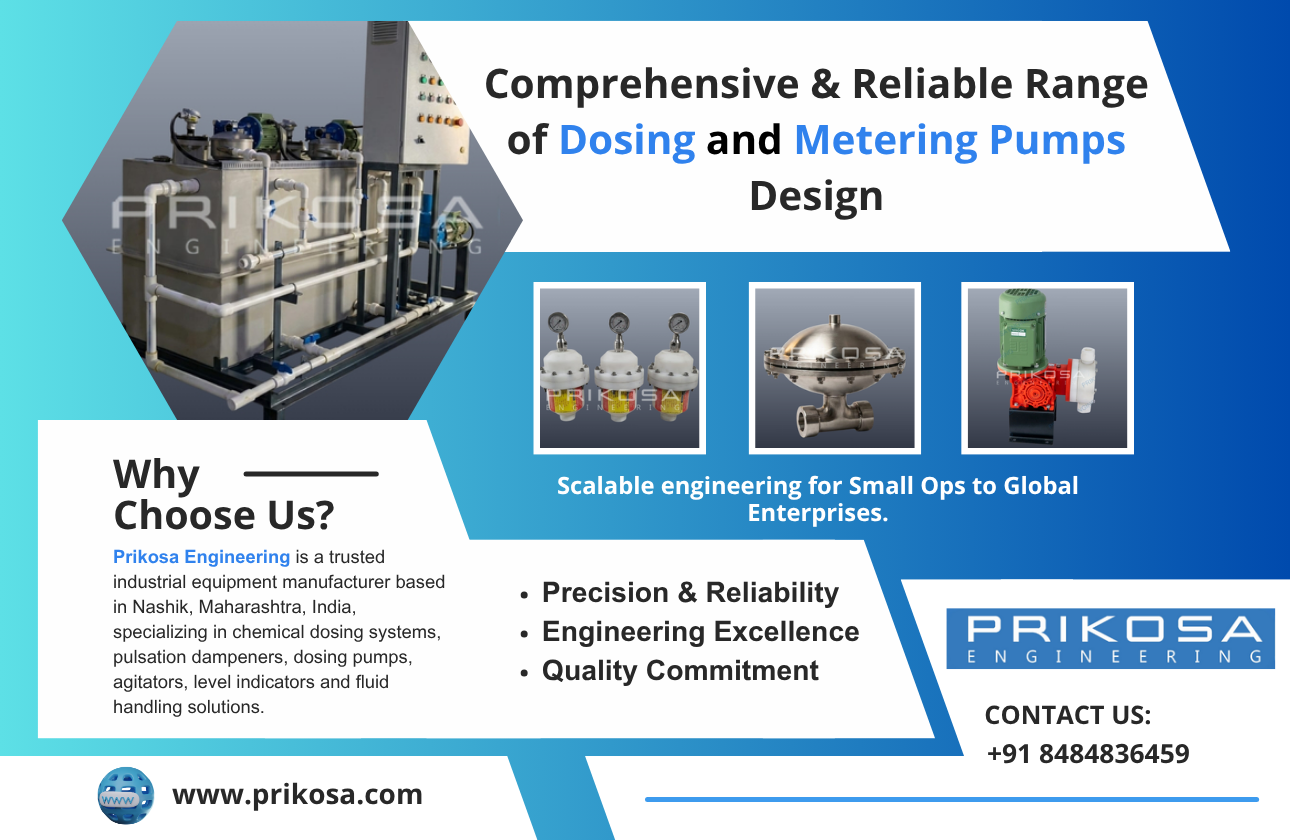
Introduction to Chemical Injection Skid Packages
Chemical Injection Skid systems are essential tools used in many industrial settings. They consist of a suite of equipment designed to introduce chemicals into a process to enhance production or control reactions. The primary purpose of these skids is to ensure accurate delivery of chemicals to various systems, maintaining optimal performance while preventing overuse and wastage.
Components of a Chemical Injection Skid
A standard Chemical Injection Skid comprises pumps, pipes, valves, and control panels. These components work together to achieve precise measurements and dosages of chemicals. Each skid is custom-built to meet specific operational needs, making them versatile across different industries. With built-in safety features, they safeguard both the process and the personnel involved.
Applications of Chemical Injection Skids
The use of Chemical Injection Packages spans numerous fields, including oil and gas, water treatment, and chemical manufacturing. Whether it is treating wastewater, adding inhibitors in pipelines, or controlling scale, these skids provide efficient and consistent chemical delivery. Their reliability minimizes downtime and maintains product quality.
Benefits of Using Chemical Injection Skid Systems
One significant benefit of chemical injection skids is cost efficiency. By providing precise control over chemical use, they help prevent excess usage, reducing costs. Additionally, the automation in these systems ensures fewer human interventions, allowing for reduced labor costs and increased safety.
Challenges in Implementing Chemical Injection Skids
Despite their advantages, setting up a chemical injection skid system comes with its set of challenges. The initial capital required can be substantial. Moreover, regular maintenance and specialized training for operators are critical to ensure effective operation. Understanding these hurdles can help in planning and budgeting for long-term success.
Skid Customization and Design Considerations
Customization is vital in the design of an injection skid to cater to specific processes and chemical types. When considering a system, factors like chemical compatibility, flow rate, and pressure requirements are crucial. A properly designed system should integrate seamlessly into existing operations, improving efficiency without disrupting processes.
Maintenance and Safety in Chemical Injection Systems
Regular maintenance is key to the longevity and reliability of injection systems. Inspections for wear and tear, seal integrity, and proper calibration of instruments are necessary. Frequent retraining on safety protocols ensures that the workforce remains abreast of best practices, minimizing accident risks.
Technological Advances in Chemical Injection Skids
Recent technological improvements have enhanced the accuracy and reliability of these systems. Modern skids often feature advanced monitoring and control technologies, allowing real-time adjustments. Digital interfaces facilitate easier management and tracking of chemical usage, ensuring better resource management and process optimization.
Future Trends in Chemical Injection Technology
As industries evolve, so do injection technologies. Increasingly, companies are moving towards green and sustainable solutions in chemical management. Future innovations are expected to focus on reducing the environmental footprint while enhancing operational efficiency, reflecting a shift towards more responsible industry practices.
Frequently Asked Questions
1. What is a Chemical Injection Skid?
Answer: A chemical injection skid is a system used to introduce chemicals into industrial processes for various purposes, such as enhancing production or protecting equipment.
2. How do chemical injection skids work?
Answer: They work by using pumps and control systems to deliver precise amounts of chemicals directly into a process stream, ensuring accuracy and efficiency.
3. What industries use chemical injection skids?
Answer: Industries like oil and gas, water treatment, and chemical manufacturing commonly implement these skids for various applications.
4. What are the benefits of using these systems?
Answer: Benefits include cost savings from efficient chemical use, improved process control, reduced labor needs, and enhanced safety.
5. What are some challenges of using chemical injection skids?
Answer: Challenges include high initial costs, the need for regular maintenance, and specialized training for safe operation.