
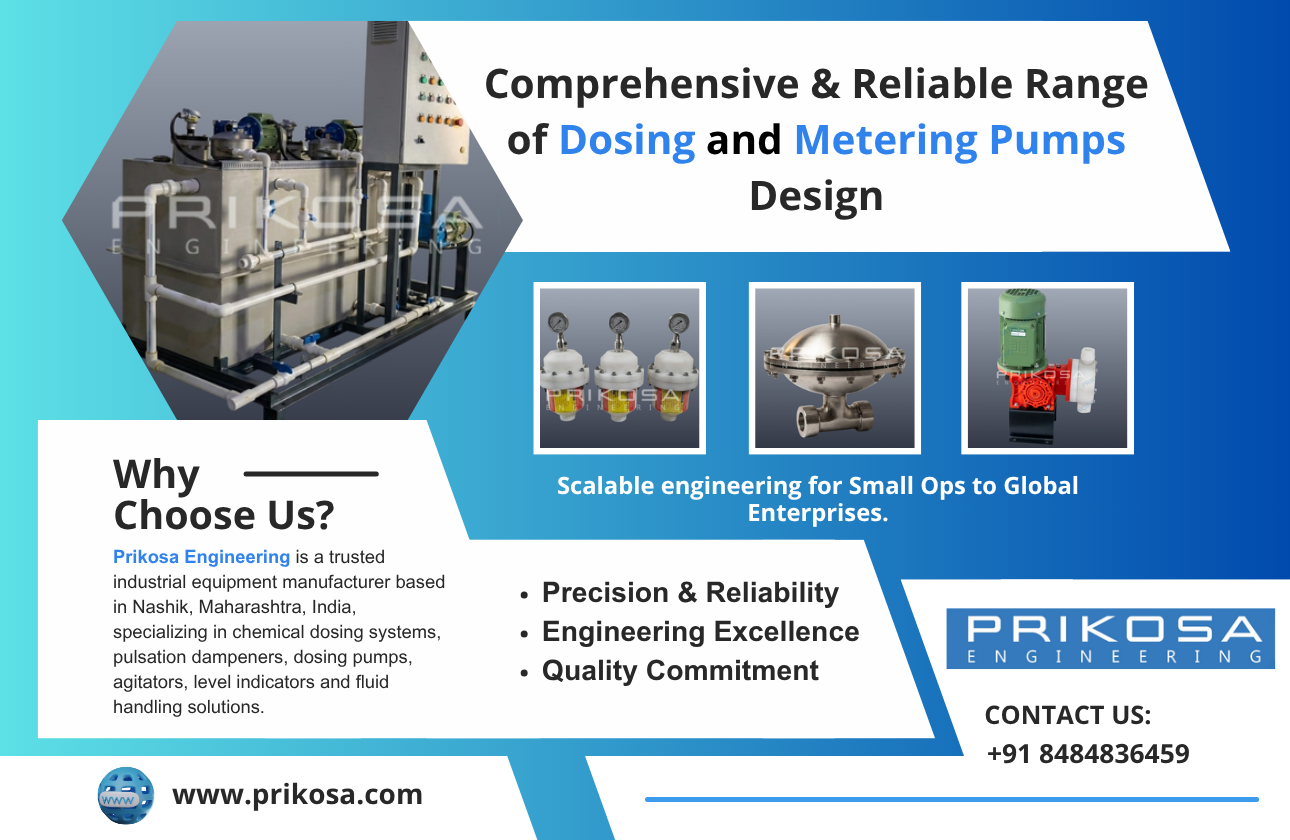
Understanding Pulsation Dampeners
Pulsation dampeners are vital components in many fluid handling systems. They are used to reduce pressure fluctuations and vibrations caused by reciprocating pumps. These fluctuations, if left unchecked, can lead to system inefficiency, noise, and even damage to components. By dampening these vibrations, pulsation dampeners ensure smooth operation and increased lifespan of system components. Typically installed on the discharge side of a pump, they work by absorbing the pulsations, resulting in a steady fluid flow. This not only protects the equipment but also promotes a safer work environment, reducing the risk of leaks that could pose hazards.
The Purpose of Pulsation Dampeners
Why are pulsation dampeners so important? The answer lies in their ability to maintain system pressure stability. When a pump operates, it creates pressure waves that travel through pipelines. These waves can be disruptive, leading to fatigue and failures over time. Pulsation dampeners act like shock absorbers, mitigating the effects of these pressure surges. This is especially crucial in industries where consistent fluid delivery is essential, such as pharmaceuticals, food and beverage, and water treatment. A reliable pulsation dampener can mean the difference between a reliable system and one prone to breakdowns and downtime.
Types of Pulsation Dampeners
There are various types of pulsation dampeners available, each suited to specific applications. The choice of dampener depends on factors such as fluid type, system pressure, and environmental conditions. Generally, they can be categorized into bladder type, bellow type, and pressure pulsation dampeners. Each type has its own unique characteristics and advantages, making them versatile for different industrial applications. Understanding these differences is key to selecting the right dampener for your specific needs, ensuring optimal system performance and longevity.
Bladder Type Pulsation Dampener
The bladder type pulsation dampener is among the most commonly used in industrial applications. It consists of a flexible bladder that separates a gas charge from the process fluid. As pressure surges occur, the bladder expands and contracts, stabilizing the pressure variations. This type is favored for its ability to handle a wide range of pressures and temperatures. Additionally, bladder type dampeners are known for their quick response time and high efficiency in absorbing pulsations. Their versatile nature makes them suitable for applications in oil and gas, chemical processing, and water treatment systems.
Bellow Type Pulsation Dampener
Bellow type pulsation dampeners, on the other hand, operate using a convoluted elastomeric bellows. These bellows compress and expand in response to pressure fluctuations, damping the pulsations effectively. The bellows design allows for a compact structure, making them ideal for space-constrained environments. They are particularly advantageous in applications where low maintenance and long service life are desired. Bellow type dampeners are often used in systems that handle clean fluids, as they can be sensitive to abrasive or particulate-laden fluids. Nonetheless, their efficient design and performance make them a reliable choice for many industrial uses.
Pressure Pulsation Dampener
The pressure pulsation dampener is designed specifically to manage pressure changes within a system. These dampeners work by using a combination of gas and liquid to absorb the pressure spikes, ensuring a consistent and stable flow. They are often used in systems where maintaining a specific pressure is critical, such as in dosing systems or chemical injection processes. By reducing the risk of pressure spikes, these dampeners help prevent damage and improve the reliability of the entire system. In the long run, investing in a pressure pulsation dampener can lead to significant savings in maintenance and operational costs, while also enhancing process safety and efficiency.
Sizing and Selection of Pulsation Dampeners
Selecting the right size and type of pulsation dampener is crucial for optimal system performance. Factors such as the pump's flow rate, system pressure, and the type of fluid being transported play a significant role in the selection process. Proper sizing ensures that the dampener can effectively absorb the pulsations without becoming a restriction in the system. Over- or under-sizing can lead to inadequate performance and potential system issues. Consulting with experts or using sizing software tools can greatly simplify this process, helping ensure the chosen dampener meets the specific needs of your application.
Installation and Maintenance Tips
Installing a pulsation dampener correctly is essential for its effective operation. They should be placed as close to the pump discharge as possible to maximize efficiency. It's important to follow manufacturer instructions regarding orientation and mounting to prevent issues like hydraulic lock. Regular maintenance checks, including inspecting for wear and ensuring the correct pre-charge pressure, are key to prolonging the lifespan of the dampener. Routine checks help identify early signs of wear or failure, preventing costly downtime and ensuring continuous system function. Keeping a maintenance log can also be helpful for tracking performance and scheduling timely inspections.
Benefits of Using Pulsation Dampeners
Incorporating pulsation dampeners into fluid handling systems offers a multitude of benefits. Improved system efficiency, reduced noise, and enhanced safety are just a few. By minimizing pressure surges, dampeners protect equipment from damage and reduce the likelihood of leaks. This not only extends the lifespan of the system but also ensures compliance with safety and environmental regulations. Furthermore, smooth fluid flow results in more accurate and consistent process outputs, which is especially important in precise applications such as dosing systems. In essence, pulsation dampeners are an investment in both productivity and peace of mind.
Frequently Asked Questions
1. What is the primary function of a pulsation dampener?
Answer: A pulsation dampener primarily functions to reduce pressure fluctuations and vibrations in fluid handling systems. This helps prevent equipment damage, noise, and enhances overall system efficiency.
2. How does a bladder type pulsation dampener work?
Answer: A bladder type pulsation dampener uses a flexible bladder to separate gas from the process fluid. As pressure surges occur, the bladder absorbs the shock, reducing pulsations and stabilizing the flow.
3. Why might someone choose a bellow type dampener over others?
Answer: Bellow type dampeners are compact and require low maintenance, making them ideal for environments with space constraints and a need for long service life. They are suitable for clean fluid applications.
4. What considerations are important when sizing a pulsation dampener?
Answer: Important considerations include the pump's flow rate, system pressure, and fluid type. Proper sizing ensures the dampener effectively absorbs pulsations without restricting fluid flow.
5. Can a pulsation dampener improve system safety?
Answer: Yes, by minimizing pressure surges and the risk of leaks, pulsation dampeners enhance system safety, ensuring compliance with safety standards and reducing potential hazards.