
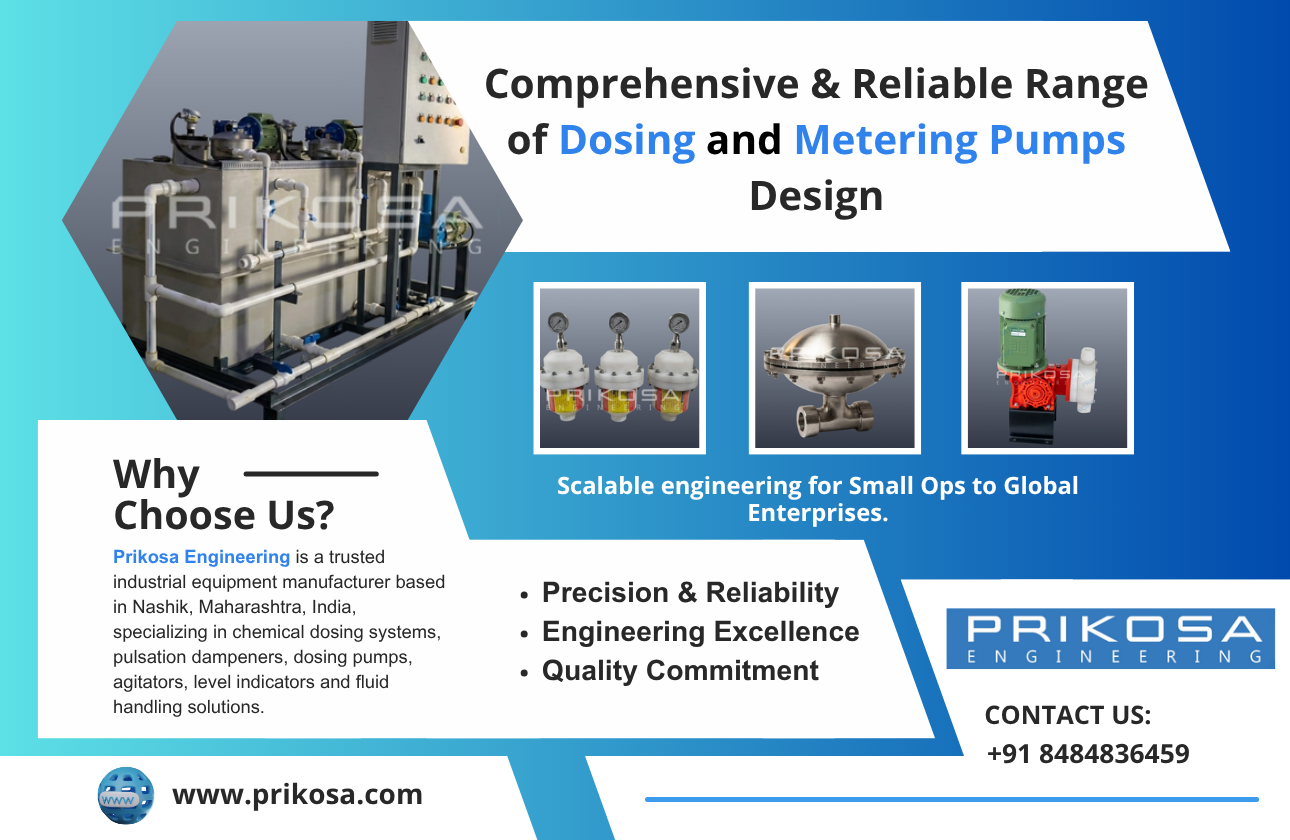
What is an Alum Dosing System?
Alum dosing systems are an integral part of water treatment processes. These systems introduce aluminum sulfate, commonly known as alum, into water to remove impurities. By adding alum, the system helps to coagulate small particles into larger ones, making them easier to remove. It's a simple yet effective way to purify water, especially in community water systems and industries that require large-scale water purification.
Why Alum Dosing Systems are Essential
Alum dosing systems are essential in maintaining the safety and cleanliness of our water supply. These systems ensure that water is free from contaminants that can be harmful to human health. The use of alum not only improves water clarity but also aids in removing unwanted substances such as bacteria and heavy metals. This guarantees safe drinking water for communities and reduces health risks associated with contaminated water.
Key Components of Alum Dosing Systems
An alum dosing system consists of several essential components. First, there's the dosing pump, which precisely controls the amount of alum added to the water. The pump's efficiency is crucial for the system's overall performance. Other components include storage tanks for holding the alum solution, mixers to ensure even distribution in the water, and control panels that regulate the dosing process. Each component plays a significant role in ensuring the system works effectively.
Maintaining an Alum Dosing System
Regular maintenance is needed to keep alum dosing systems running smoothly. This involves checking and servicing the dosing pump regularly to prevent any malfunctions. Additionally, it's essential to clean the storage tanks to avoid the buildup of residue that could affect the system's efficiency. Control panels should also be inspected periodically to ensure all settings are correct. By maintaining the system, you ensure its longevity and effectiveness.
Challenges Faced by Alum Dosing Systems
While alum dosing systems are effective, they do come with challenges. One of the main issues is the accurate calibration of the dosing pump. Inaccurate dosing can lead to either under or over-treatment of water. Under-treatment leaves water unsafe, while over-treatment can make water unpalatable due to excess chemicals. Regular calibration is necessary to keep precision in dosing. Another challenge is the potential for clogging in the system, which can disrupt the water treatment process.
Environmental Impact of Alum Dosing Systems
Alum dosing systems, while beneficial, do have some environmental implications. After water treatment, sludge containing alum must be disposed of properly. If not managed correctly, it can lead to environmental issues. However, many systems now incorporate ways to handle waste responsibly, reducing the ecological footprint. These eco-friendly practices are crucial in mitigating any adverse environmental effects.
Future of Alum Dosing Systems
With advancements in technology, alum dosing systems are becoming more efficient and user-friendly. Innovations aim to automate many manual processes, making systems easier to operate with minimal supervision. Future systems are expected to incorporate real-time monitoring to ensure optimal dosing levels. These developments will help improve water treatment efficiency and reliability.
Alum Dosing System in Industrial Applications
Industries benefit greatly from alum dosing systems. They are vital in processes where water plays a significant role, such as textiles, paper production, and food and beverage manufacturing. In these sectors, water quality directly affects the quality of the final product. Implementing a reliable alum dosing system helps industries maintain high-quality standards while ensuring their operations are environmentally due diligent.
Troubleshooting Common Issues
Troubleshooting is a necessary part of managing alum dosing systems. Common issues include pump malfunctions, inaccurate dosing, and leaking storage tanks. To troubleshoot, start by checking each component for signs of wear or damage. Consistent training and technical support can also prepare operators to handle issues swiftly. Being proactive in addressing these problems ensures the system continues to operate effectively without long downtimes.
Cost Efficiency of Alum Dosing Systems
Investing in alum dosing systems can be a cost-effective solution for water treatment. While the initial investment might seem high, the long-term benefits outweigh the costs. Implementing these systems reduces the need for extensive water processing and ensures compliance with health regulations. Moreover, using high-quality components can reduce maintenance costs over time, making the system a practical choice for large-scale water treatment facilities.
Frequently Asked Questions
1. What is the primary function of alum in water treatment?
Answer: Alum acts as a coagulant, helping to clump together impurities in water to make them easier to remove.
2. How often should an alum dosing system be maintained?
Answer: Regular maintenance should be done at least every six months to keep the system running efficiently.
3. Are there alternatives to alum for water treatment?
Answer: Yes, alternatives include ferric chloride and polyaluminum chloride, but alum remains popular due to its cost-effectiveness and efficiency.
4. Can alum dosing systems handle large-scale water treatment?
Answer: Yes, they are ideal for large-scale applications, such as municipal water treatment and industrial processes.
5. What measures are in place to ensure the correct alum dosing?
Answer: Modern systems use automated controls and monitoring to maintain precise dosing levels.