
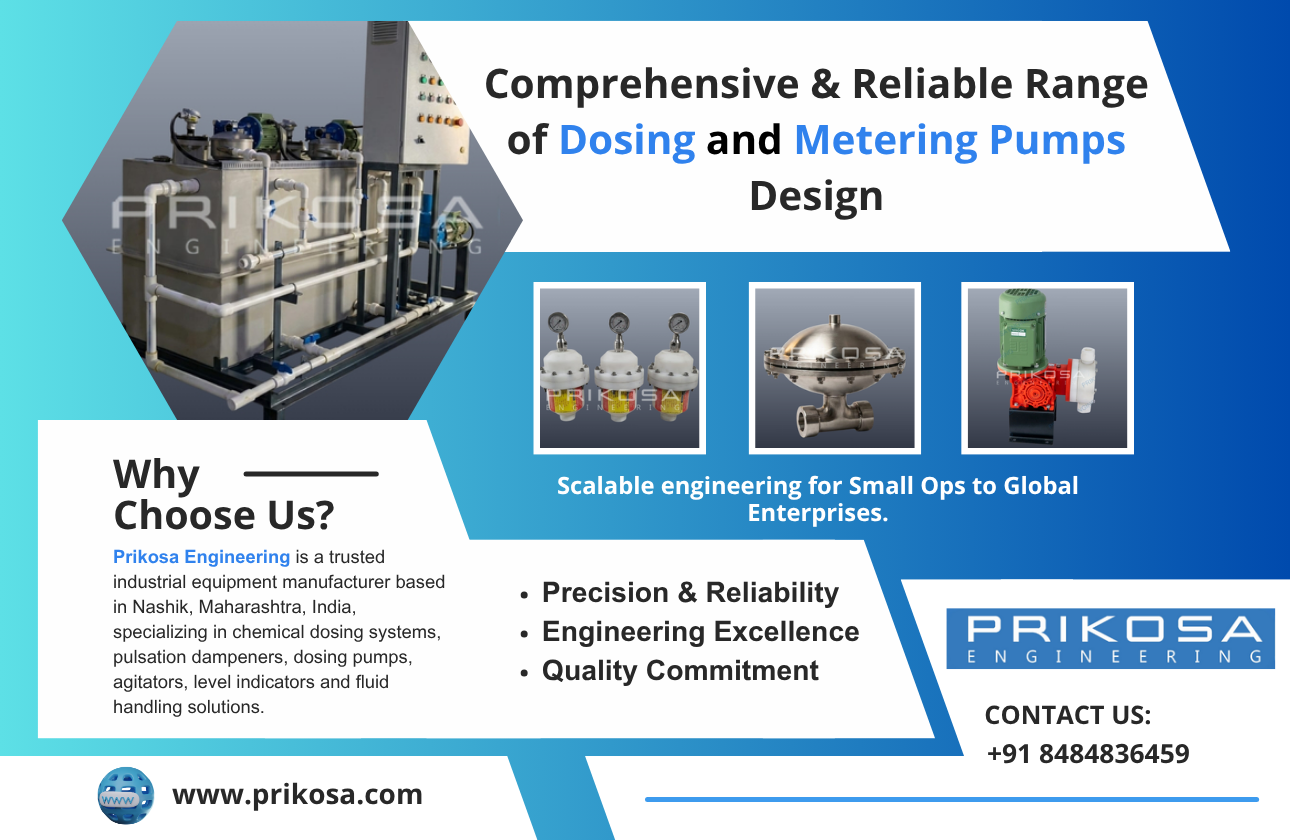
What is a Hydraulic Accumulator?
A hydraulic accumulator can be best thought of as an energy storage device designed to hold hydraulic fluid under pressure. It has various applications across industries, especially where hydraulic systems are extensively used. The primary function of the accumulator is to minimize hydraulic shock and store energy for future use. This aspect alone makes it invaluable in ensuring the smooth operation of hydraulic machinery.
How Does a Hydraulic Accumulator Work?
A hydraulic accumulator works similarly to a spring, storing potential energy in the form of compressed gas or a spring mechanism. It acts like a cushion by absorbing extra fluid when pressure exceeds a set level and releases it back into the system when needed. This process helps maintain consistent hydraulic pressure, thereby reducing wear and tear on components. To understand more about the components involved, you can look into comprehensive guides like this one.
Different Types of Hydraulic Accumulators
There are various types of hydraulic accumulators including bladder, piston, and diaphragm accumulators. Each type has its own set of advantages and applications. For instance, bladder accumulators are ideal for high-speed applications due to their fast response time, while piston accumulators are better for high-pressure systems. Understanding the specific needs of your system can guide you in selecting the right type of accumulator. If you intend to learn more about how these accumulators integrate into complex machinery, check out this helpful article.
The Benefits of Using Hydraulic Accumulators
The main benefits of using hydraulic accumulators include energy efficiency and reduced system stress. They can absorb or release energy, which leads to decreased energy consumption over time. Accumulators also prevent hydraulic hammers, thereby minimizing the risk of damage to the system. Additionally, they serve as a backup for your hydraulic system in cases of pump failure, ensuring continuous operation.
Applications of Hydraulic Accumulators
Hydraulic accumulators are primarily found in industries such as construction, automation, and aerospace, where hydraulic systems play a crucial role. In construction, they are commonly used in lifts and presses to store energy for forceful, repetitive motion. In aerospace, these accumulators help manage hydraulic fluids for precise control of flaps and landing gears. For a detailed look into various applications, see this useful resource.
Maintenance Tips for Hydraulic Accumulators
Routine maintenance of hydraulic accumulators is essential to ensure their longevity and efficiency. Regularly check for leaks and ensure that the gas pre-charge pressure is at the correct level. Always refer to the manufacturer's guidelines when performing maintenance. Proper care will not only extend the life of the accumulator but also contribute to the reliable operation of your hydraulic system.
Choosing the Right Hydraulic Accumulator for Your Needs
When selecting a hydraulic accumulator, it’s vital to consider the specific needs of your hydraulic system. Factors such as operating pressure, fluid type, and system requirements should all be taken into account. Additionally, consider the compatibility of the accumulator with other components in your hydraulic system. For further insights on choosing the right type, don’t hesitate to explore resources that dive into the intricacies of these choices, such as this comprehensive guide.
Frequently Asked Questions
1. What is the main function of a hydraulic accumulator?
Answer: The primary function of a hydraulic accumulator is to store energy in the form of pressurized fluid and release it when needed. This helps in maintaining consistent pressure within a hydraulic system.
2. How do hydraulic accumulators improve energy efficiency?
Answer: Hydraulic accumulators improve energy efficiency by capturing excess fluid and releasing it as required, thereby reducing the workload on pumps and motors.
3. What types of hydraulic accumulators are available?
Answer: The main types of hydraulic accumulators are bladder, piston, and diaphragm accumulators, each with unique applications and benefits.
4. How often should a hydraulic accumulator be serviced?
Answer: Regular maintenance should be conducted according to the manufacturer's guidelines, typically involving checks on gas pre-charge pressure and inspections for leaks.
5. Where are hydraulic accumulators commonly used?
Answer: Hydraulic accumulators are commonly used in construction, aerospace, and industrial applications to manage fluid systems effectively.