
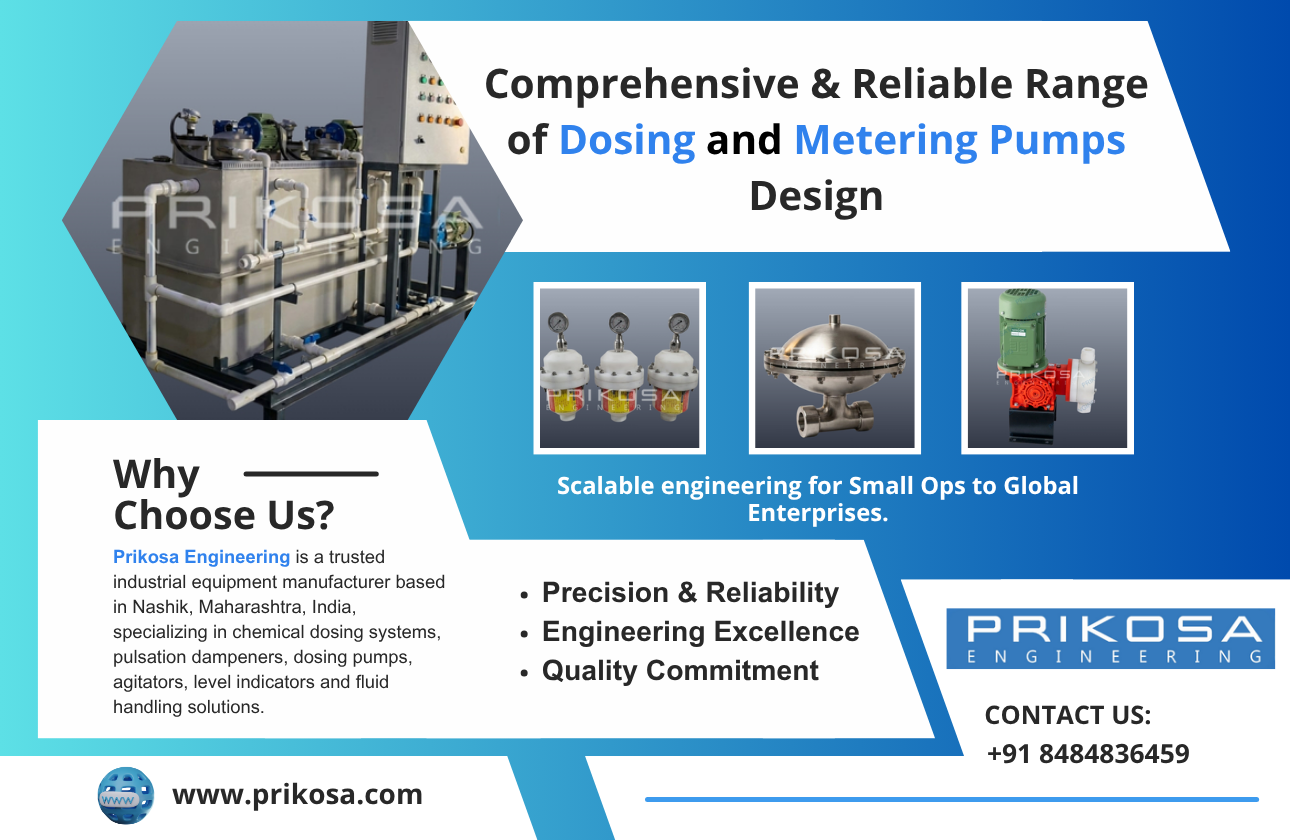
Dosing Pump
A dosing pump is a type of pump used for injecting a precise amount of liquid into a system. It's a fundamental component in various industries, ensuring that liquids such as chemicals, nutrients, or other solutions are delivered in accurate amounts. These pumps help maintain balance and consistency, particularly in processes where exact measurements are crucial.
Dosing Pump in Various Industries
Dosing pumps find their utility across numerous fields, from water treatment plants to chemical manufacturing. They are often used in fields where exact chemical dispersion is of the essence. For businesses aiming to improve process efficiency and quality control, understanding how dosing pumps work is a step in the right direction.
Chemical Dosing Pumps
A chemical dosing pump is a specific type of dosing pump designed to handle chemical solutions. These pumps are built to resist corrosion and handle hazardous materials safely, making them indispensable in the chemical industry. They ensure precise chemical delivery to mix solutions, neutralize acids, or adjust pH levels in water treatment applications.
Choosing the Right Dosing Pump
When selecting a dosing pump, businesses need to consider the chemical properties of the liquid being pumped, the desired flow rate, and the environment in which the pump will operate. There's a rangeof dosing pumps designed for specific needs.Understanding the exact requirements will determine what model and type of dosing pump will work best for their application.
Maintenance and Safety
Regular maintenance is critical to ensure dosing pumps perform optimally over time. This involves checking for wear, ensuring calibration is accurate, and replacing parts when necessary. For those usingchemical dosing pumps, safety measures involve wearing protection and handling chemicals following guidelines to prevent accidents.
Innovations and Advancements
Dosing pump technology continues to evolve, offering more accurate and efficient solutions. Innovations include smarter control systems and better materials that allow for longer service life and reduced downtime. For instance, the development of automatic andflocculant dosing systems has streamlined operations in significant ways, pointing to a future where precision and efficiency are continuously enhanced.
The Role of Dosing Pumps in Water Treatment
Dosing pumps are crucial in water treatment facilities. They ensure that chemicals likealum and other substances are correctly administered to maintain water quality and safety standards. They adjust parameters like pH and disinfection levels, playing a vital role in producing clean and safe water.
Frequently Asked Questions
1. What is a dosing pump used for?
Answer: A dosing pump is used to inject a precise amount of liquid into another fluid stream. They are common in industries requiring accurate mixing of chemicals, such as water treatment and food processing.
2. How do you choose a dosing pump?
Answer: Choosing a dosing pump involves assessing the chemical properties of the liquid, the flow rate needed, and the operating conditions. Clearly defining these needs will aid in selecting the most effective pump model.
3. Can dosing pumps handle hazardous chemicals?
Answer: Yes, many dosing pumps are designed to handle hazardous chemicals safely. They are made from materials that resist corrosion and degrade, keeping the system and operator safe.
4. What are chemical dosing pumps?
Answer: Chemical dosing pumps are specialized pumps built to inject chemicals at precise rates for various applications. They are crucial in processes that encounter aggressive chemicals, such as in water treatment and manufacturing.
5. Is maintenance important for dosing pumps?
Answer: Absolutely, routine maintenance ensures dosing pumps work efficiently and minimizes downtime. It involves regular inspections, recalibrations, and replacing worn-out parts when necessary to maintain functionality.