
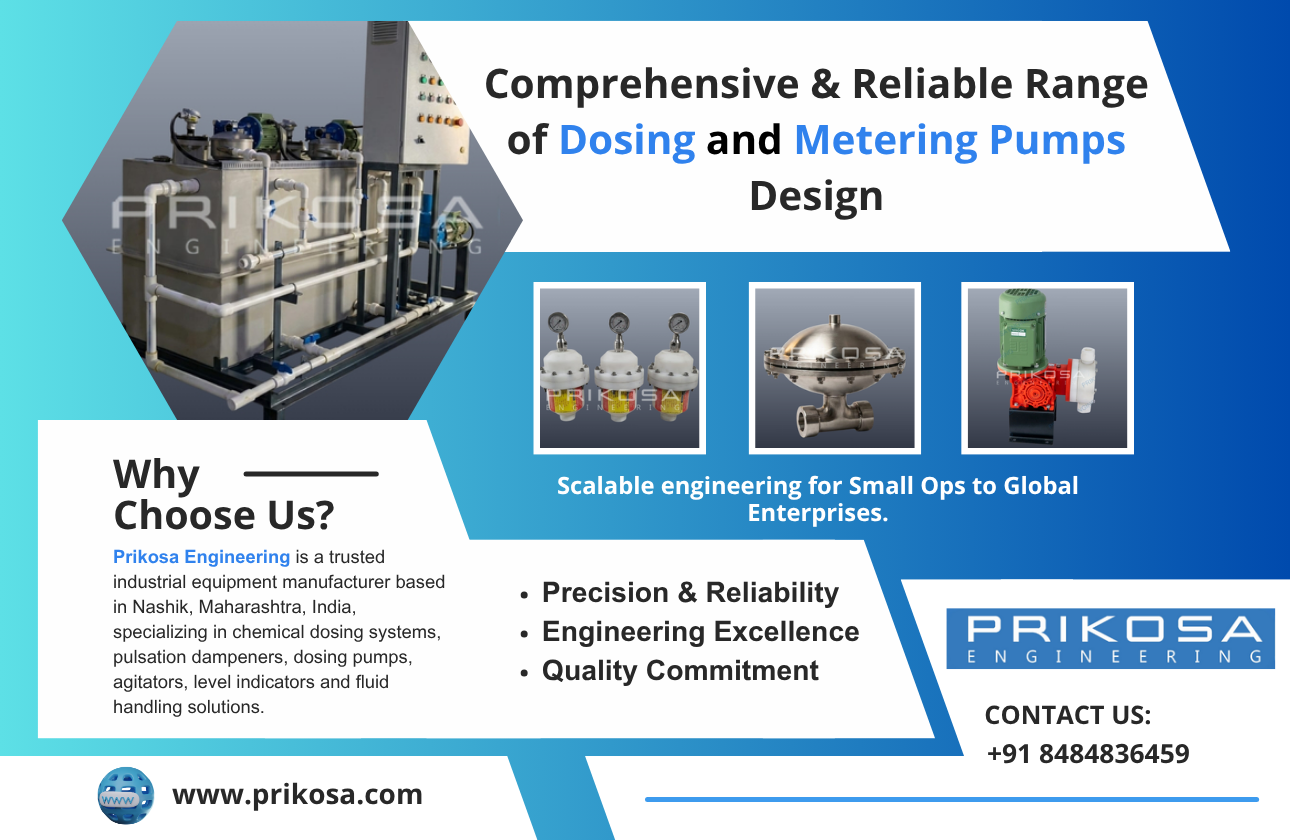
Introduction to Sodium Flocculant Dosing Pumps
Sodium flocculant dosing pumps are an essential part of water treatment processes, ensuring the removal of suspended solids by adding precise amounts of flocculants. These pumps help in clarifying water by coagulating contaminants so that they can be easily filtered out. A flocculant dosing pump manages to deliver just the right amount of chemicals needed for efficient water purification.
How Sodium Flocculant Dosing Pumps Work
The mechanism behind a sodium flocculant dosing pump is simple yet effective. It draws the flocculant solution from a storage tank and delivers it into the main water flow. The pump ensures that the substance is intermixed in based on the flow rate of the water. For detailed specifications, you can explore more about the sodium flocculant dosing pump.
Benefits of Using Sodium Flocculant Dosing Pumps
The major advantage of utilizing these pumps is their accuracy in delivering chemicals, which leads to better treatment outcomes and less wastage. Moreover, these pumps help to maintain consistent water quality. Reduction in manual labor and enhanced efficiency can be achieved by installing an automatic flocculant dosing system as well.
Industries Benefiting from Sodium Flocculant Dosing Pumps
The use of sodium flocculant dosing pumps is prevalent in industries such as municipal water treatment, chemical processing, and wastewater treatment facilities. These industries rely heavily on precise dosing to achieve regulatory compliance and environmental safety. To understand the broader context, check out the chemical dosing systems used in various sectors.
Features of Sodium Flocculant Dosing Pumps
These pumps often come with features like adjustable flow rates, corrosion-resistant materials, and automated settings for ease of operation. These features make them highly adaptable and user-friendly, allowing for prolonged usage with minimal maintenance. You might also find parallels with the diaphragm dampeners used in related processes.
Setting Up a Sodium Flocculant Dosing Pump
Setting up requires a few straightforward steps: choosing the right pump based on the treatment size and requirements, calculating the correct dosage, and configuring the pump settings to match the water flow specifications. Although straightforward, professional help can further simplify the installation process.
Troubleshooting Common Issues
One might encounter issues like flow inconsistencies, which can usually be resolved by checking the pump settings or the chemical reservoir levels. Learning to troubleshoot effectively can save time and resources, similar to what is outlined in guides like the hydraulic accumulators guide.
Frequently Asked Questions
1. What is the main use of a sodium flocculant dosing pump?
Answer: Its main use is to add precise amounts of flocculants to water systems for the coagulation and removal of suspended particles, ensuring the purity and safety of the treated water.
2. How do I maintain a sodium flocculant dosing pump?
Answer: Regular checks on chemical levels, cleaning the pump components, and ensuring that all settings are optimized for your particular application will ensure long-term functionality.
3. Can these pumps be used in remote locations?
Answer: Yes, many pumps are designed for either manual or automated operation, making them versatile for varied settings, including remote locations.
4. Are there automated sodium flocculant dosing systems available?
Answer: Yes, automated systems are available and offer enhanced operational efficiency and reduced manual oversight. Check the automatic system for more insights.
5. What's the difference between a manual and an automatic dosing pump?
Answer: Manual dosing pumps require regular human intervention to adjust settings, while automatic pumps can adjust themselves based on real-time water flow and quality data.