
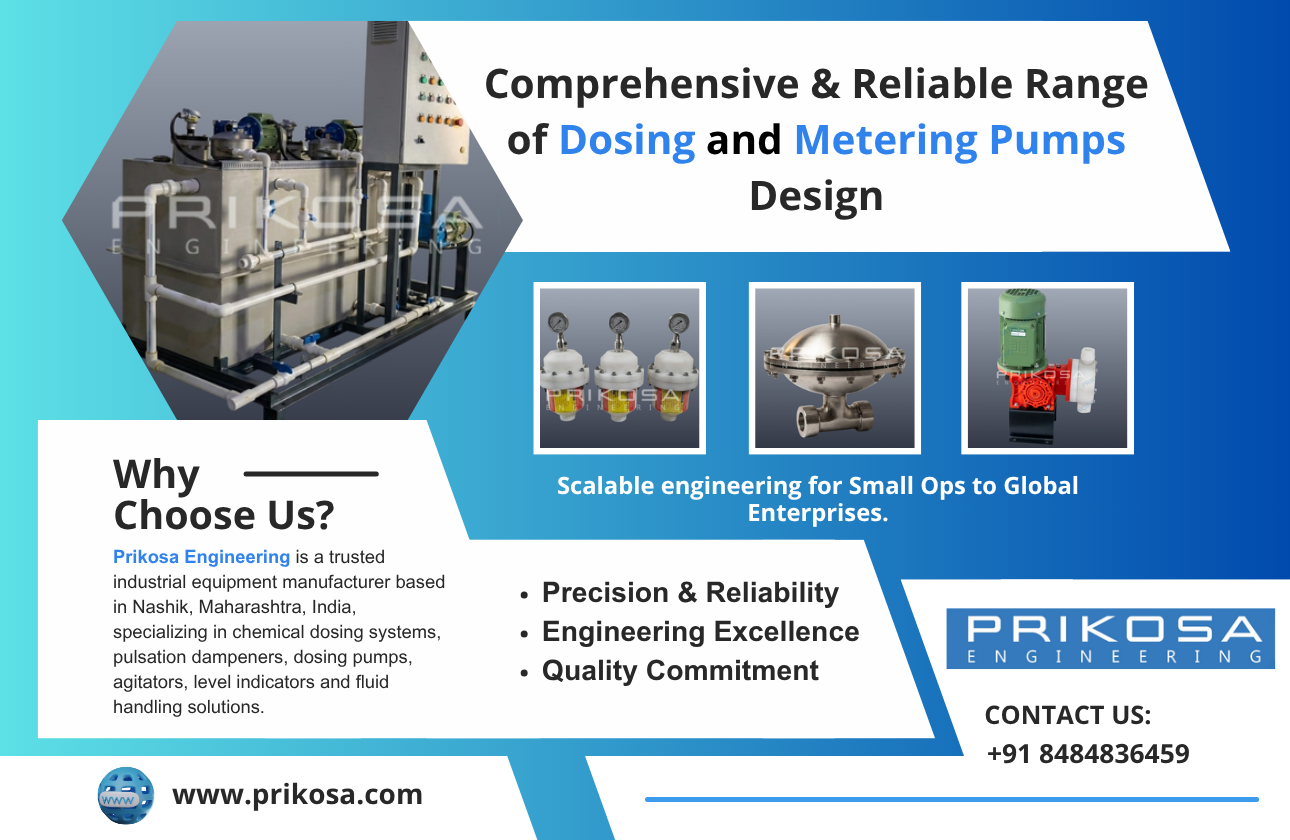
Introduction to Automatic Polydosing Systems
As industries continue to evolve, the need for efficient chemical management systems becomes critical. An automatic polydosing system is one such innovation designed to handle various chemicals in a precise and automated manner. This system streamlines processes in water treatment, manufacturing, and other industrial applications, ensuring the right amount of chemicals is used correctly and at the right time. Automatic polydosing systems are especially important in maintaining quality standards and reducing human error, making them a vital component in modern industries. What sets these systems apart is their ability to integrate seamlessly with existing operations, thereby enhancing productivity and sustainability.
How Automatic Polydosing Systems Work
The operation of an automatic polydosing system is fascinating and sophisticated. At its core, it includes several dosing pumps, each controlled automatically to deliver specific chemicals at precise rates. This precision makes it a favorite among industries requiring stringent quality control. The system is usually connected to a control panel that processes data and automates the chemical dosing in real time. Through a network of sensors and processors, it can adjust the type and quantity of chemicals delivered based on real-time feedback, ensuring optimal concentrations are maintained. Such systems eliminate the trial-and-error approach historically seen in manual dosing, thereby saving time and resources.
Advantages of Using an Automatic Polydosing System
There are numerous advantages of implementing an automatic polydosing system. Firstly, it significantly reduces manual labor, which in turn minimizes the risk of error and occupational hazard. Additionally, since the system operates on automation, resources and chemicals are used more efficiently, leading to cost savings. Secondly, by maintaining the precise chemical balance, these systems help in achieving higher quality standards and compliance with industry regulations. Moreover, the data collected by these systems can be used for predictive maintenance and process optimization, providing long-term benefits to the operations.
Applications in Various Industries
Automatic polydosing systems find applications across diverse industries. In water treatment facilities, they ensure the accurate dosing of flocculants and coagulants to effectively clean water. By investing in such a system, water treatment plants can optimize their operations and ensure compliance with environmental standards. The chemical polydosing system is also widely used in the production of pharmaceuticals, where precise chemical mixtures are essential. In addition, industries dealing with food and beverages, textiles, and chemicals benefit from these systems by ensuring that their products meet specific quality requirements without supervision. Automatic polydosing systems represent a hallmark of innovation in process automation, saving time, reducing waste, and improving safety.
Understanding Chemical Polydosing Systems
Moving on to chemical polydosing systems, it is crucial to understand their function and why they are pivotal for industries. A chemical polydosing system primarily involves multiple dosing units that dispense various chemical agents required in an industrial process. The chemical polydosing system is pivotal for providing the right mix of chemicals in the desired proportions, ensuring successful process outcomes. One of the core benefits is that it offers operational flexibility, allowing changes to be made quickly and efficiently, depending on process demands. Whether it is handling different types of chemicals or adjusting the volume required, the system ensures uninterrupted operations. Industries are consistently drawn to such systems due to their adaptability and reliability, making them indispensable in dynamic working environments.
Integration with Existing Systems
The integration of automatic and chemical polydosing systems with existing mechanisms is often straightforward. These systems, when integrated, can bring about an improvement in overall efficiencies. Many facilities incorporate calibration columns and digital controls to enhance automatic polydosing functionalities further. The architecture of these systems makes it possible to retrofit them into existing operations without the need for a complete overhaul. This adaptability is one of the main reasons why upgrading to automatic systems is considered a strategic move. Once set up, these systems require minimal intervention and are compatible with various industry standards, making them a sound investment for the future.
Challenges and Considerations
Despite all the advantages, a few challenges come with implementing automatic and chemical polydosing systems. One common challenge is the initial cost of setup, which might be significant and could deter smaller businesses from opting in. However, the potential long-term savings and operational efficiency often outweigh this initial expenditure. Additionally, while these systems reduce the need for manual oversight, they require regular maintenance to ensure everything functions as expected. Staff may need additional training to handle these new technological solutions, which could add to the implementation time and cost. Nonetheless, by carefully planning and choosing the right system, these factors can be mitigated, leading to a successful transition.
The Future of Polydosing Systems
Looking ahead, the future for automatic and chemical polydosing systems is promising. As industries transition towards more sustainable and efficient methods, the demand for these systems is expected to rise. The incorporation of artificial intelligence and machine learning might bring about more automation features, fine-tuning precision beyond current standards. Furthermore, the rise of advanced automation means that future systems could self-diagnose and make the necessary adjustments autonomously. This would result in higher efficiency levels and lower costs, further solidifying the place of polydosing systems within industries.
Frequently Asked Questions
1. What is an automatic polydosing system?
Answer: An automatic polydosing system is a self-regulating setup designed to deliver precise chemical doses automatically. It involves multiple pumps and sensors, ensuring chemicals are accurately dispensed, improving efficiency and reducing human error in industrial processes.
2. How do chemical polydosing systems improve efficiency?
Answer: Chemical polydosing systems enhance efficiency by automating the chemical mixing and dosing process. This reduces manual intervention, minimizes waste, and ensures precise mixing, leading to better control and quality in manufacturing and treatment processes.
3. Are automatic polydosing systems easy to integrate with existing infrastructure?
Answer: Yes, modern automatic polydosing systems are designed for easy integration. They can be retrofitted into existing setups, using advanced controls and sensors that communicate seamlessly with existing industrial processes, allowing for a smooth transition.
4. What industries benefit from chemical polydosing systems?
Answer: Industries such as water treatment, pharmaceuticals, food and beverages, and chemicals benefit significantly from chemical polydosing systems. They require precise chemical management to maintain product quality, safety, and compliance with regulatory standards.
5. What challenges should one prepare for when implementing automatic polydosing systems?
Answer: The biggest challenges include the initial setup cost and the need for regular maintenance. Staff training is also essential to ensure proper system use and management. Planning and choosing a reliable system provider can mitigate these challenges.