
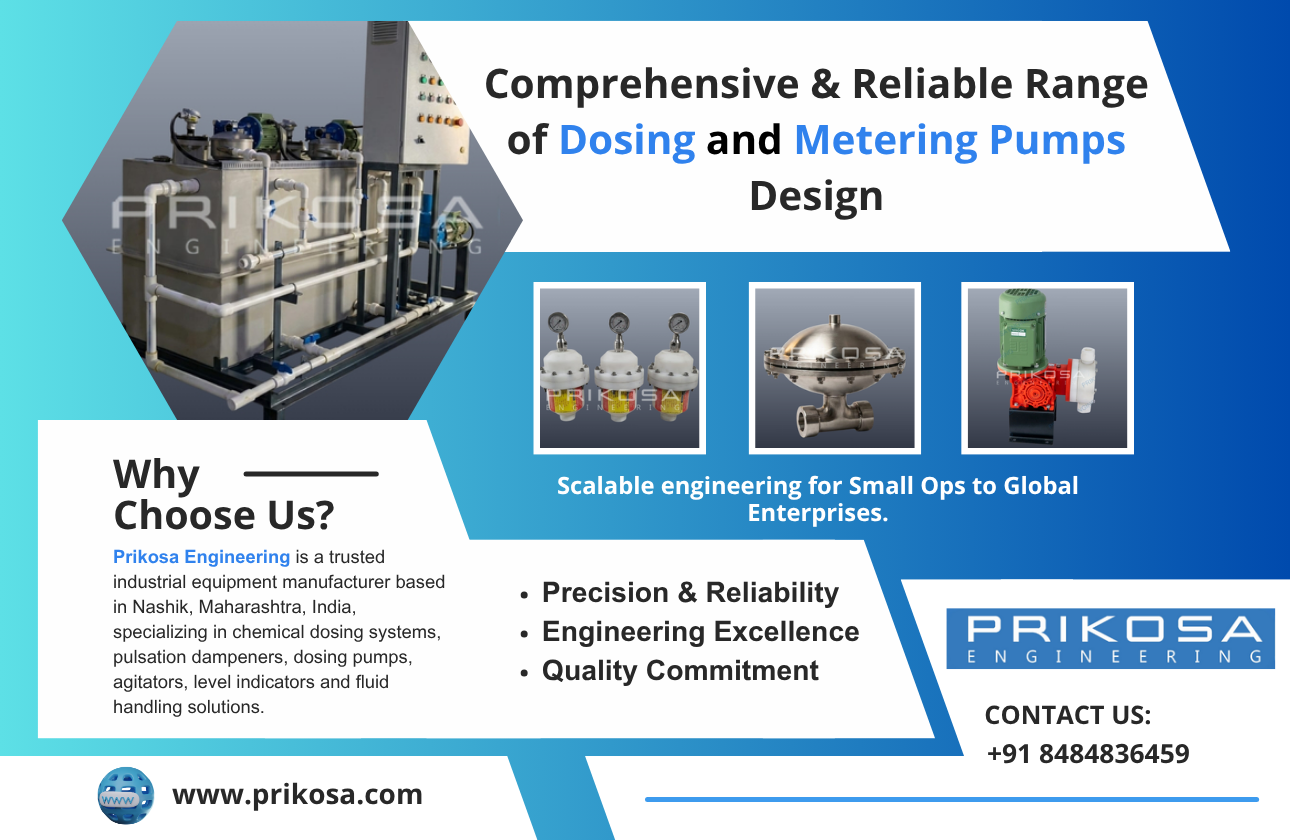
Introduction to Sodium Hypochlorite Dosing Pumps
Sodium hypochlorite dosing pumps are essential devices in the water treatment industry. They help in the precise addition of sodium hypochlorite, a chemical used widely for disinfection and bleaching. By dosing the correct amount of this chemical, these pumps ensure water is safe for use. Their key feature is accurate dosing control, which minimizes the risk of over or under-dosing, thus maintaining the right level of disinfection.
Key Features of Sodium Hypochlorite Dosing Pumps
What makes sodium hypochlorite dosing pumps so valuable are their features. These pumps are designed to deliver consistent flow rates and can be adjusted according to requirements. They often come with robust construction to handle the corrosive nature of sodium hypochlorite. Many models include automatic controls and alerts, ensuring reliable operations even in demanding conditions. These features not only enhance efficiency but also ensure safety during operations.
Advantages of Using Sodium Hypochlorite Dosing Pumps
There are several advantages to using sodium hypochlorite dosing pumps. Firstly, they offer precision, which is crucial when dealing with chemicals. They help in reducing risks associated with manual dosing, such as human error. Moreover, these pumps can save costs in the long run by optimizing chemical usage. This precision leads to improved overall water quality, making them indispensable in many industrial and municipal applications.
Proper Installation of Sodium Hypochlorite Dosing Pumps
Installing sodium hypochlorite dosing pumps correctly is vital for their effective operation. It begins with selecting the right capacity based on the specific requirements of the application. The installation should follow the manufacturer's guidelines to ensure safety and efficiency. Proper placement is essential, as is the use of appropriate materials for pipes and fittings that can withstand the chemical's corrosive properties. Regular inspections during installation further guarantee long-term performance.
Maintenance and Care for Sodium Hypochlorite Dosing Pumps
Maintaining these pumps is crucial to extend their lifespan and ensure they work efficiently. Regular checks and cleaning help prevent blockages and wear. It is also important to replace worn-out parts promptly. Monitoring performance through regular testing can preemptively address issues before they escalate. Investing time in proper maintenance ensures these pumps continue to provide reliable service, guaranteeing safe and clean water.
Frequently Asked Questions
1. What is a Sodium Hypochlorite Dosing Pump?
Answer: A sodium hypochlorite dosing pump is a device used to add a precise amount of sodium hypochlorite solution into water systems for disinfection purposes. It is crucial in maintaining water safety and quality.
2. Why is precise dosing important?
Answer: Precise dosing is essential because it ensures the chemical disinfects the water effectively while minimizing waste and potential side effects of overdosing, such as corrosion or unpleasant odors.
3. How often should sodium hypochlorite dosing pumps be maintained?
Answer: Regular maintenance should be done according to the manufacturer's recommendations, usually every few months, or whenever a reduction in performance is noticed, to prevent breakdowns and ensure efficiency.
4. Can these pumps handle other chemicals?
Answer: While primarily designed for sodium hypochlorite, some models may accommodate other chemicals, but it is critical to check compatibility to avoid damage to the system.
5. Where can one learn more about these systems?
Answer: For more information on sodium hypochlorite dosing pumps and related topics, you can visit resources like the Prikosa website which offers comprehensive guides and articles detailing various aspects of dosing systems.