
Understanding the Alum Dosing System
An Alum dosing system is a vital component in the water treatment process. It helps in the coagulation process by introducing aluminum sulfate (alum) into the water. When alum is added to water, it causes small particles to stick together into larger particles, making them easier to remove through filtration. This system is particularly critical in treating drinking water and wastewater, ensuring that the water is clean and safe for consumption. By automating this dosing process, facilities can maintain consistent water quality while minimizing manual intervention.
Components of Alum Dosing Systems
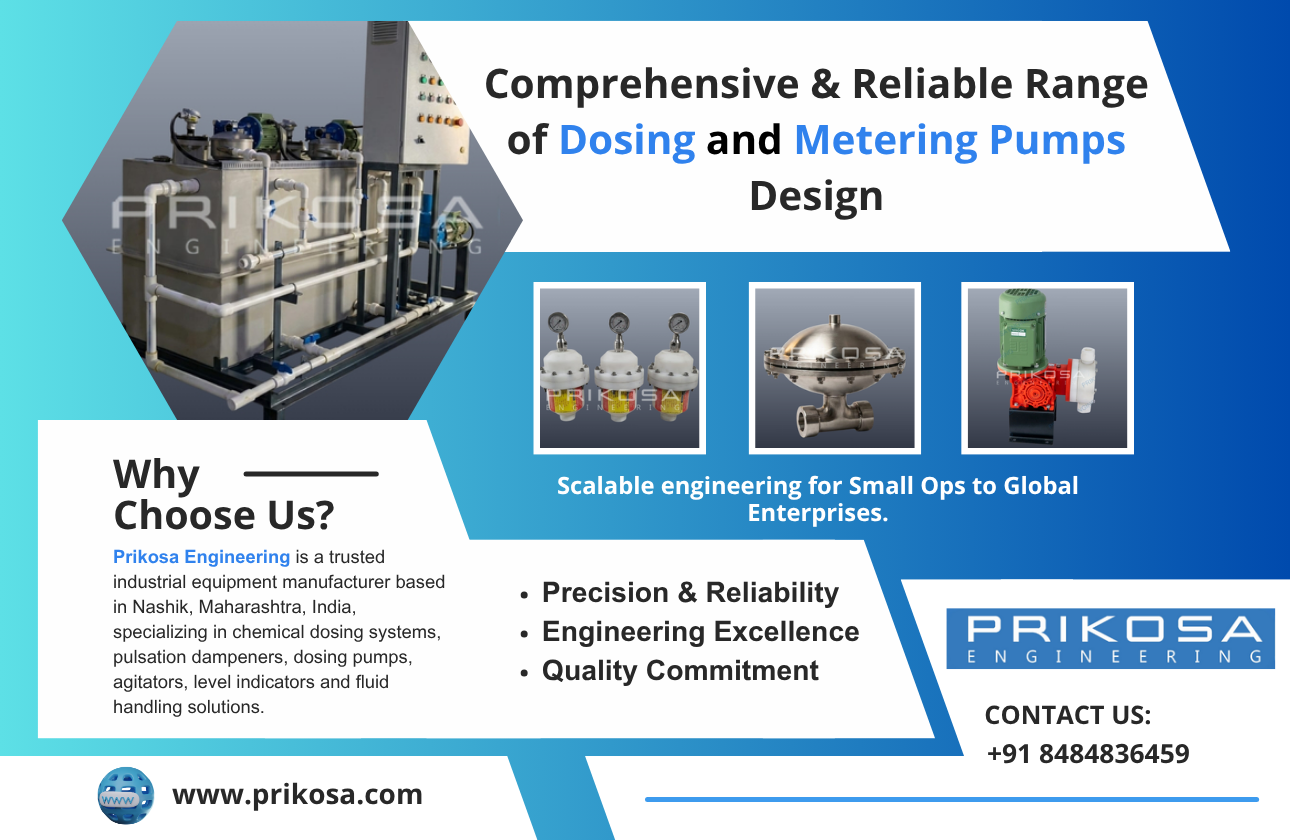
The Alum dosing system includes several key components. It typically features a storage tank, dosing pumps, control panels, and piping. The storage tank holds the alum solution, while the dosing pump controls the amount of alum released into the water. The control panel allows operators to adjust the dosage based on water quality analysis, ensuring precision. Piping connects all components, facilitating the flow of alum throughout the system. Understanding these components is crucial for efficient operation and maintenance.
How Alum Dosing Systems Work
The process begins with water quality testing. Once the required alum dose is determined, the dosing pump draws the alum solution from the storage tank. Through controlled pumping, it administers the right amount of alum into the water. The alum then reacts with impurities, causing them to settle at the bottom of the treatment tank. This process is followed by filtration where the cleared water is processed further. Many industries rely on these systems to maintain ecological compliance and efficient water reuse.
Benefits of Alum Dosing Systems
An Alum dosing system offers numerous benefits in water treatment. Firstly, it enhances the clarity and safety of water by removing contaminants. This treatment also helps facilities meet regulatory standards and avoid penalties. By automating the dosing, these systems reduce manual labor and associated errors. They are designed to be energy-efficient, reducing operational costs. Facilities using alum dosing systems also experience improved reliability and consistency in treatment.
Alum Dosing System Applications
Alum dosing systems are widely used across various sectors. Public water suppliers use them to treat municipal drinking water, ensuring it is free from particles that can affect taste and safety. In the industrial sector, these systems help treat wastewater before it is discharged. They are also used in paper manufacturing and textiles to ensure the effluents do not negatively impact the environment. By having clear water standards, these systems ensure that treated water is safe for ecosystems and meets environmental regulations.
Common Challenges with Alum Dosing Systems
While Alum dosing systems are efficient, they come with challenges. One major challenge is the correct dosing of alum since too little will not coagulate impurities effectively, while too much can lead to residual aluminum levels. Maintenance is another area where regular attention is needed to prevent system failures. System calibration should be routine to ensure all components like pumps and valves work efficiently. Understanding these challenges allows operators to plan and run systems smoothly.
Maintaining Your Alum Dosing System
Regular maintenance ensures that alum dosing systems perform optimally. Routine inspections of pumps, tanks, and control systems are essential. Operators should ensure the storage tank is sealed properly to prevent contamination. Another critical aspect is recalibrating the system regularly to maintain accuracy in dosing. By addressing issues proactively, facilities can avoid costly downtimes, ensuring consistent water treatment performance.
Frequently Asked Questions
1. What is the main purpose of an Alum dosing system?
Answer: The primary purpose is to aid in the coagulation process of water treatment by adding alum, which aggregates impurities for easier removal.
2. How often should an Alum dosing system be maintained?
Answer: Regular maintenance is recommended, including monthly inspections and annual calibrations, to prevent operational issues and maintain dosing accuracy.
3. Can Alum dosing systems be automated?
Answer: Yes, many systems are automated with control panels that help in the precise dosage of alum, reducing manual intervention.
4. Are there any safety concerns with using Alum dosing systems?
Answer: When operated correctly, they are safe. However, proper handling of alum and regular system maintenance are essential to prevent leaks and contamination.
5. In which industries are Alum dosing systems primarily used?
Answer: They are commonly used in municipal water treatment, industrial wastewater management, paper manufacturing, and textile industries.