
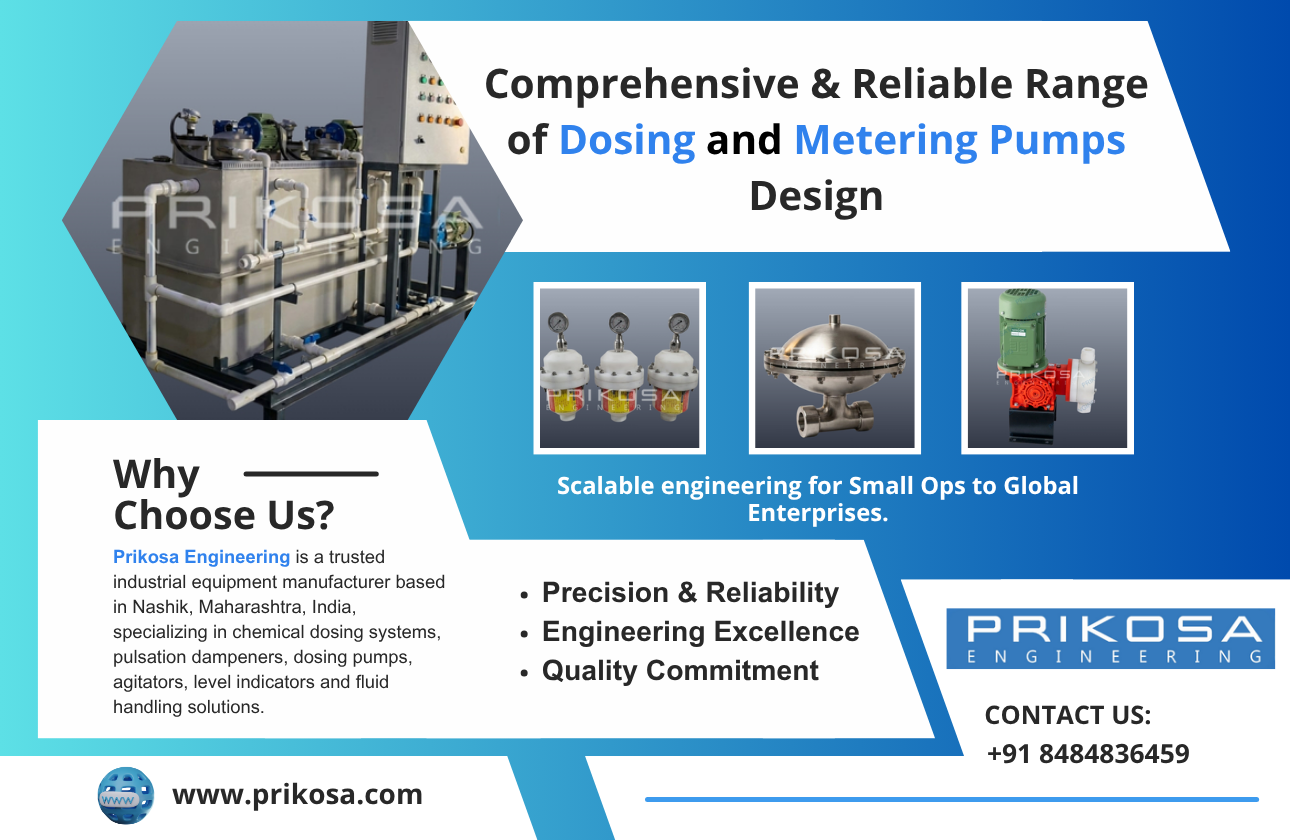
Introduction to Polymer Dosing Systems
Polymer dosing systems play a crucial role in sewage treatment plants (STP) around the world. These systems are designed to carefully add polymers to wastewater to help in the solid separation process. The technology is essential for making wastewater treatment more efficient, by helping to quickly aggregate and settle solids out of the liquid.
The Role of Polymer Dosing in STPs
In any sewage treatment plant, the separation of solids from liquids is a major step. This is where polymer dosing systems come into play. By introducing polymers, these systems allow solids to clump together, making them easier to remove. This not only makes the treatment process faster but also improves the quality of the treated water. For those involved in wastewater management, understanding these systems can be a game changer.
Benefits of Using Polymer Dosing Systems
Using a polymer dosing system in an STP offers several benefits. First and foremost, it enhances the efficiency of the treatment process. By facilitating the removal of solids, it reduces the burden on subsequent treatment stages. Additionally, it can result in higher quality effluents, aligning with environmental regulations. Over time, these systems can lead to reduced operating costs because they improve the overall throughput of the plant. Mastering Polymer Dosing Systems further elaborates on how these benefits can be realized.
Types of Polymer Dosing Systems
Polymer dosing systems can be categorized mainly into manual and automatic systems. Manual systems require operators to frequently check and adjust dosing levels, while automatic systems use sensors and controllers for real-time adjustments. The choice between these systems generally depends on the size and complexity of the STP. Automatic systems, like the Automatic Flocculant Dosing System, offer convenience and precision, making them a popular choice for larger plants.
Key Components of a Polymer Dosing System
A polymer dosing system consists of several key components: tanks or containers for polymer storage, dosing pumps, mixers, and control units. The polymer is either in liquid or powder form and must be accurately measured and mixed with water before being added to the wastewater. Each component must be carefully maintained to ensure the system's effectiveness. Regular checks and maintenance can help prevent unexpected downtimes and ensure the system runs smoothly.
Considerations for Implementation
There are several factors to consider when implementing a polymer dosing system in an STP. Factors like the characteristics of the wastewater, plant capacity, and the type of polymers used should all be taken into account. It's also vital to conduct tests to determine the ideal dosing rates and polymer types for specific conditions. Reading resources like Understanding Chemical Dosing Systems can offer further insight into these considerations.
Maintenance and Troubleshooting
Regular maintenance of polymer dosing systems is necessary to ensure their reliability and longevity. This includes cleaning tanks, inspecting pumps for wear and tear, and checking control units for proper functioning. Troubleshooting issues quickly is vital to avoid operational delays. Many Chemical Dosing Systems come with built-in diagnostic tools to help identify and resolve issues swiftly.
Frequently Asked Questions
1. What are the primary benefits of using a polymer dosing system in STPs?
Answer: A polymer dosing system enhances the efficiency of sewage treatment plants by aiding in quick and efficient solid separation. This leads to improved effluent quality and reduced operational costs due to faster processing and lesser manual intervention.
2. Can polymer dosing systems be used in all sizes of STPs?
Answer: Yes, polymer dosing systems can be tailored to fit both small and large STPs. However, the choice between manual and automatic systems may vary depending on the plant size and resources available.
3. How often do polymer dosing systems require maintenance?
Answer: Regular maintenance is advisable. Components like pumps, tanks, and control units should be checked frequently to prevent failures. Typically, a monthly inspection can help maintain system efficiency.
4. What types of polymers are used in these dosing systems?
Answer: The choice of polymers depends on specific wastewater characteristics. Both organic and inorganic polymers can be used, and plants often conduct tests to determine the best polymer selection for optimal results.
5. Are there any environmental concerns with the use of polymer dosing systems?
Answer: Generally, if polymers are used correctly, they pose minimal environmental risk. It's essential to follow guidelines and use recommended amounts to prevent any adverse effects on the surrounding environment.