
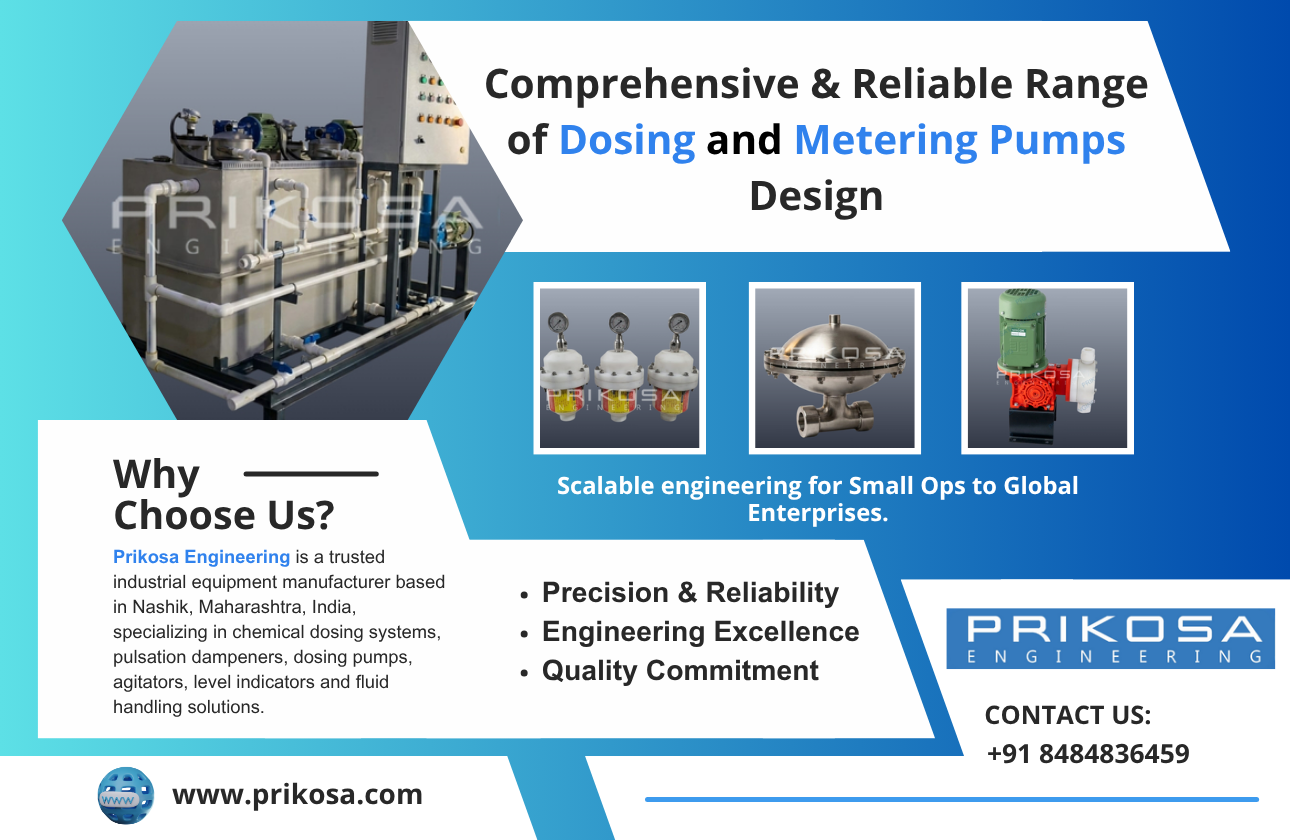
An Introduction to Alum Dosing Systems
Alum dosing systems play a critical role in water treatment processes. Typically used in municipal water treatment plants, these systems help clarify water by removing impurities. Alum, short for aluminum sulfate, serves as a coagulant that binds particles together, making them easier to filter out. This process ensures that the water meets health and safety standards. An effective alum dosing system not only improves water quality but also enhances the overall treatment procedure.
How Alum Dosing Systems Work
The working principle of an alum dosing system is straightforward. The system doses a precise amount of alum into a flow of water. As the alum mixes with water, it interacts with suspended particles and forms larger agglomerates. These agglomerates or flocs settle at the bottom or can be filtered out, resulting in cleaner water. The efficiency of this process depends on the correct dosage of alum, ensuring the maximum removal of impurities without over-treating the water.
Benefits of Using Alum Dosing Systems
Alum dosing systems offer numerous benefits. First, they significantly improve water clarity and safety. By removing harmful particles, they ensure the water is safe for human consumption. Second, they enhance the effectiveness of other filtration processes within the treatment plant. Using an alum dosing system also reduces the overall chemical consumption as it optimizes the coagulation process. Additionally, these systems are cost-effective and relatively easy to maintain, making them a popular choice for water treatment facilities.
Key Components of an Alum Dosing System
An alum dosing system consists of several key components. These include a storage tank for holding the alum solution, dosing pumps that control the flow rate of the alum, and metering equipment for precise dosage. Other components include mixing chambers where alum is combined with water and a control unit to regulate the process. Each component works in harmony to ensure the system operates efficiently and effectively. Regular maintenance of these components is vital for the system's long-term performance.
Choosing the Right Alum Dosing System
Choosing the right alum dosing system depends on various factors like the size of the treatment plant, the quality of the incoming water, and specific treatment goals. It's essential to assess these parameters to select a suitable system. With technological advancements, systems have become more sophisticated, offering automatic dosing based on real-time water quality metrics. It's advisable to consult with experts when selecting or upgrading an alum dosing system to ensure optimal performance.
Installation and Operation Considerations
When installing and operating an alum dosing system, several considerations must be taken into account. The location of the system should allow for easy access for maintenance and have protection against harsh environmental conditions. Furthermore, the system must be calibrated accurately to ensure the dosing pumps deliver the correct amount of alum. Operators should be trained in the system's operation and safety features to prevent mishaps and maintain system efficiency.
Frequently Asked Questions
1. What is the primary function of an alum dosing system?
Answer: The primary function of an alum dosing system is to clarify water by removing impurities. It does so through a coagulation process where alum binds with particles, forming larger flocs that can be easily filtered out.
2. How often should alum dosing systems be maintained?
Answer: Regular maintenance is essential for alum dosing systems. Ideally, components should be inspected and serviced monthly. Consistent maintenance ensures the system operates efficiently and has a prolonged lifespan.
3. Can alum dosing systems be used for all types of water?
Answer: Alum dosing systems are suitable for various water types, especially in municipal water treatment plants. However, the specific application may vary based on water quality and treatment objectives, so it's important to adjust the system accordingly.
4. Are there alternatives to alum dosing systems?
Answer: Yes, there are alternatives such as polymer dosing systems and other chemical coagulants. Each has its advantages and is chosen based on specific treatment needs and water characteristics.
5. How do I select the right size of an alum dosing system?
Answer: The selection depends on factors such as the flow rate of water to be treated and the concentration of impurities. Consulting with a professional can help assess the requirements and recommend an appropriately sized system.