
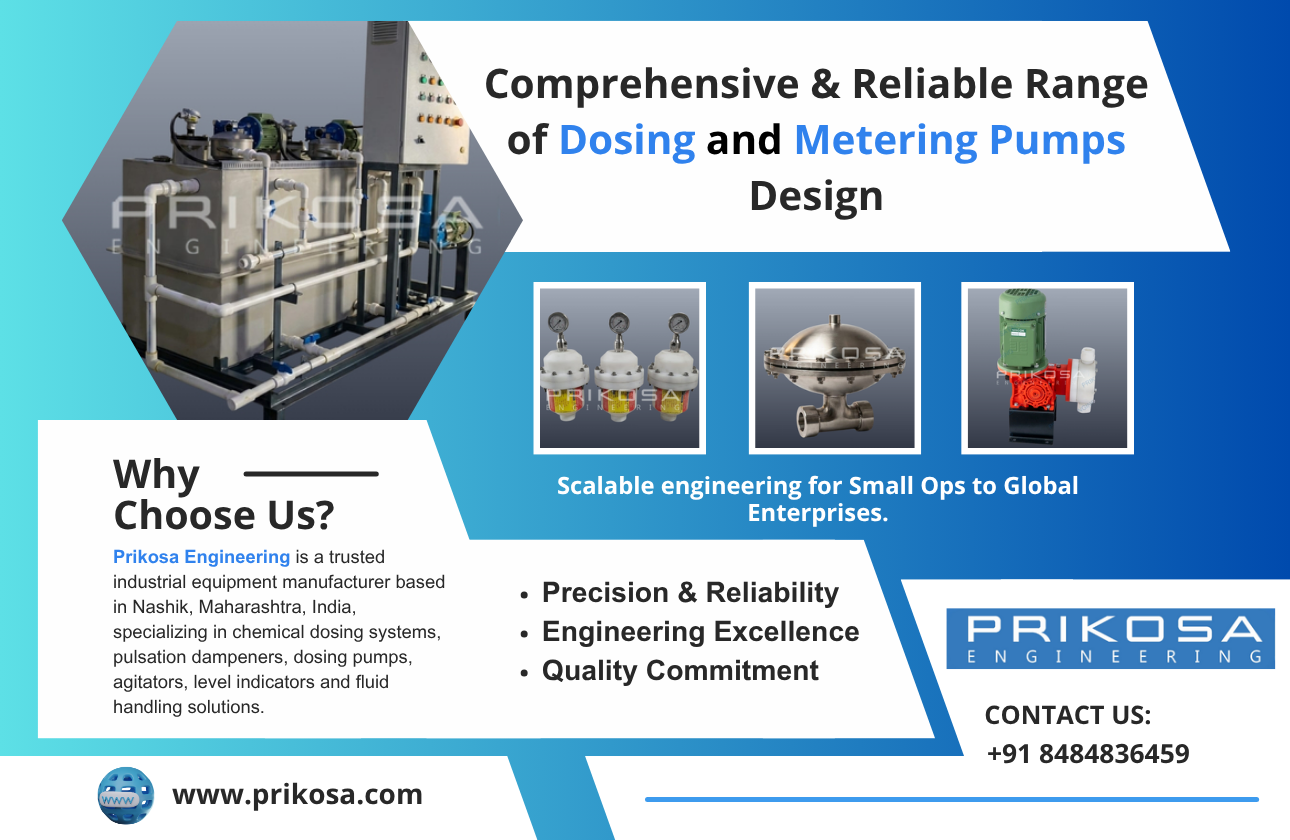
Introduction to Automatic Flocculant Dosing Systems
Automatic Flocculant Dosing Systems are crucial in the process of treating water and wastewater. These systems are designed to automatically dispense precise amounts of flocculants, which are chemicals used to clump together small particles into larger ones that can be easily removed from water. This automated feature ensures that the exact right amount of flocculant is used, preventing waste and ensuring efficiency in treatment processes. With growing environmental concerns and stricter regulations on water treatment, understanding these systems becomes all the more important.
How Do Automatic Flocculant Dosing Systems Work?
The operation of Automatic Flocculant Dosing Systems centers around automation and precision. These systems usually consist of a control unit, dosing pump, and storage tanks for the flocculant. Sensors in the system measure the parameters of the water or wastewater, such as pH, turbidity, and flow rate. Based on these real-time measurements, the system calculates and adjusts the amount of flocculant that needs to be added. This process ensures not only optimal dosing but also maintains the effectiveness of the treatment process.
Benefits of Using Automatic Flocculant Dosing Systems
There are several benefits to using Automatic Flocculant Dosing Systems in water and wastewater treatment plants. Firstly, they reduce the need for manual labor, which can lead to human error. By automating the dosing process, these systems ensure consistent and accurate dosing which improves the quality of the treated water. They also contribute to operational cost savings by optimizing chemical usage and minimizing waste. Furthermore, these systems often come with smart technology that allows operators to monitor and control processes remotely, providing greater flexibility and control.
Applications of Automatic Flocculant Dosing Systems
Automatic Flocculant Dosing Systems are used in a variety of applications beyond just water treatment plants. They are essential in industries such as food and beverage, pulp and paper, and chemical manufacturing, where clean water is a critical part of the production process. These systems are also used in municipal water treatment facilities where ensuring the highest quality of water is crucial for the health and safety of the population. By standardizing and automating the flocculation process, these systems help meet both industrial and regulatory standards efficiently.
Factors to Consider When Choosing an Automatic Flocculant Dosing System
When selecting an Automatic Flocculant Dosing System, several factors need to be considered. The capacity and compatibility of the system with the existing infrastructure are crucial. Understanding the types of flocculants used and the specific water treatment conditions of your facility will also guide your choice. Additionally, the reliability of the system's automation technology should be evaluated. Investing in a system that offers easy maintenance and supports remote monitoring can further enhance the efficiency and longevity of the treatment process.
Challenges and Solutions in Implementing Automatic Flocculant Dosing Systems
While the integration of these systems offers significant advantages, some challenges may arise during implementation. These challenges include the initial cost of installation and potential technical issues with the dosing equipment. However, such investments often result in long-term savings and operational efficiencies. Partnering with experienced vendors that provide robust technical support can mitigate these concerns. Moreover, training for operational staff ensures that the system is used effectively, leading to optimized treatment processes.
Frequently Asked Questions
1. Are Automatic Flocculant Dosing Systems environmentally friendly?
Answer: Yes, they optimize the use of chemicals, reducing waste and minimizing environmental impact, while ensuring that the treatment process is effective and compliant with environmental regulations.
2. How do Automatic Flocculant Dosing Systems contribute to cost savings?
Answer: By automating the dosing process, these systems prevent excess use of chemicals, reducing operational costs. They also lower labor costs and minimize maintenance needs due to their precision and efficiency.
3. Can these systems be integrated with other treatment technologies?
Answer: Yes, they are designed to be compatible with other treatment technologies and can even enhance the performance of an existing setup by providing accurate chemical dosing.
4. What industries benefit most from using these systems?
Answer: Industries such as water and wastewater treatment, food and beverage, and chemical manufacturing benefit significantly, as these systems ensure high-quality water standards crucial to their operations.
5. What maintenance is required for Automatic Flocculant Dosing Systems?
Answer: Routine checks and calibration of sensors, along with occasional cleaning of dosing pumps, are essential to maintain system efficiency and accuracy. Regular maintenance also extends the lifespan of the equipment.