
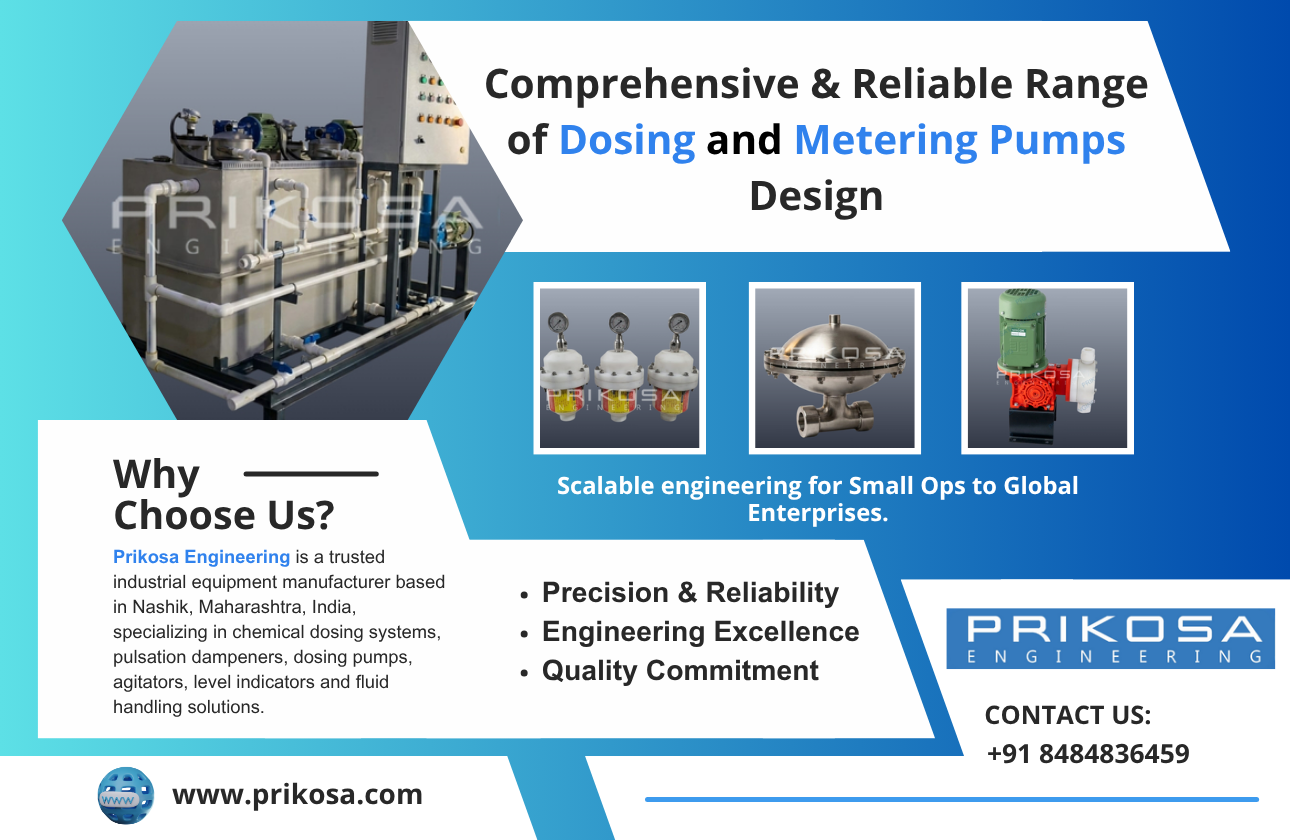
What is a Calibration Column?
A Calibration Column is an essential tool used in the process industries to ensure the precise measurement of chemical dosing systems. These columns help in determining the exact amount of fluid that needs to be injected into a process. By providing accurate measurements, they help maintain the efficacy and balance needed for various chemical reactions. The functionality of a calibration column is straightforward. It typically involves a transparent vertical tube marked with measurement gradations to assess flow rates and the volume of liquids.
How Does a Calibration Column Work?
In operation, a calibration column serves as a measuring device to accurately monitor the flow of chemicals within a dosing system. Liquid enters the column from a pumping system, and the level is observed as it drops over time, allowing operators to determine flow rates precisely. This activity helps ensure that the required amount of chemical is being delivered, thus safeguarding chemical processes. These columns play a significant role in industries where precision is critical, such as water treatment and chemical processing. For a deep dive into their applications, you can consider reading about their functionality here.
Importance of Calibration Columns
The significance of calibration columns in industrial applications cannot be overstated. They serve as a barometer for measuring fluid flow accurately, which is vital for maintaining the consistency and safety of chemical reactions. Calibration columns ensure the correct dosing of chemicals, maintain quality standards, and help in resource optimization. Reliable measurements also reduce errors and potential waste, thus saving costs and increasing efficiency.
Industries that Rely on Calibration Columns
Several sectors, including the water treatment and pharmaceutical industries, rely on calibration columns for their daily operations. In water treatment facilities, these columns help in maintaining the balance of chemical additives such as flocculants and disinfectants. You can explore how calibration columns are utilized in dosing systems and in the managing of polymer dosing here. The precise dosing ensures that water is treated effectively and complies with stringent quality standards.
The Design of Calibration Columns
Calibration columns are usually designed to be simple yet sturdy, consisting of a graduated transparent tube and inlet/outlet valves. The column must withstand different chemical exposures without deteriorating. The materials for the construction, such as glass or plastic, are chosen based on compatibility with the chemicals being measured. The design focuses on providing accurate, clear readings, often involving straightforward markers to gauge the liquid level accurately.
The Role of Calibration Columns in Chemical Dosing Systems
Calibration Columns are fundamental in maintaining the efficiency of chemical dosing systems. As they help verify the accuracy of liquid chemicals in a process, they ensure that only the necessary amount of chemical is used. This prevents the overuse of resources and supports sustainable practices within industries. If you're interested in more details about dosing systems, check this guide that elaborates on essential components like calibration columns.
Challenges of Using Calibration Columns
Despite their importance, calibration columns can sometimes present challenges. Ensuring accuracy can be difficult if the tube becomes stained or if there's an improper installation. Routine maintenance and calibrations are necessary to maintain precision. Users must be trained to read the measurements correctly and remain vigilant for any signs of wear or damage. For further understanding on calibration practices and overcoming these challenges, learning about chemical dosing skids and their components is helpful.
Frequently Asked Questions
1. What materials are used to make a calibration column?
Answer: Calibration columns are often made from durable materials like glass or high-grade plastic to withstand various chemicals without degrading. The transparency allows for easy measurement observations.
2. How often should a calibration column be maintained?
Answer: Regular maintenance is advisable to ensure accuracy. This often includes cleaning, re-calibrating, and replacing parts if necessary to prevent errors and ensure longevity.
3. Can calibration columns be used for any liquid?
Answer: While versatile, calibration columns must be compatible with the type of chemical used. Some strong acids or bases could potentially damage certain materials, so it's important to select the right type of column.
4. Do all industrial processes require a calibration column?
Answer: Not all processes need a calibration column, but those involving precise chemical dosing greatly benefit from their accuracy and reliability.
5. What industries most use calibration columns?
Answer: Industries such as water treatment, pharmaceuticals, and chemical manufacturing frequently use calibration columns to ensure accurate chemical dosing and maintain process integrity.