
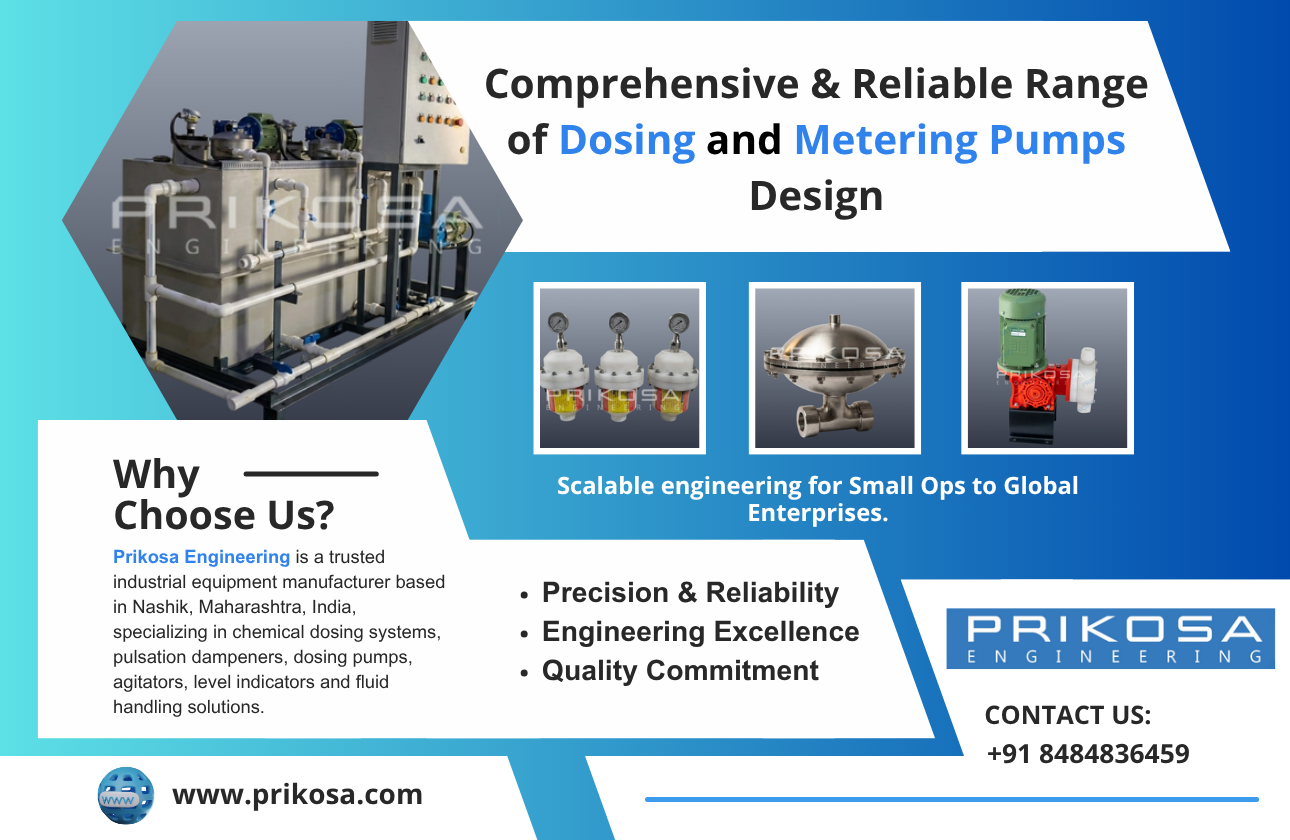
What are Calibration Pots?
Calibration pots are an integral part of many chemical dosing systems. These components help measure the flow rate of chemicals being introduced into a system. In simple terms, calibration pots act as measurement devices ensuring the right amount of chemical is used, which is crucial for both effectiveness and efficiency. They are designed to work with chemical dosing systems and provide precise data that helps fine-tune the process. While often seen in industries like water treatment and manufacturing, their role is critical in any setting that relies on accurate chemical dosing. Whether in a high-tech factory or a sewage treatment plant, calibration pots make sure that operations run smoothly by maintaining the correct chemical balance.
How do Calibration Pots Function?
Calibration pots function by temporarily holding a known volume of liquid, allowing technicians to measure the time it takes to empty, which translates into flow rate. This measurement process is vital because it confirms the accuracy of dosing pumps. By calibrating these systems, operators can ensure that pumps are not under or over-delivering chemicals. This precision is particularly important in settings where chemical concentrations must be meticulously controlled. The pots are typically made from materials resistant to corrosion to withstand harsh chemicals. Their design allows for quick inspections and easy cleaning, making them user-friendly and reliable. Calibration ensures the dosing system is performing optimally, which can save money by reducing wastage and improving efficiency.
The Importance of Calibration Pots in Industry
In industrial settings, the precision that calibration pots bring can be the difference between successful operations and costly failures. Industries like pharmaceuticals, food and beverage, and wastewater treatment depend heavily on accurate chemical dosing. A calibration pot helps achieve this by enabling precise measurements. This accuracy helps maintain product quality, safety standards, and regulatory compliance. For example, in water treatment facilities, accurate dosing is essential to ensure that water is safe for consumption. Miscalculations can lead to harmful effects on both the environment and human health. Therefore, maintaining an accurate and efficient system relying on calibration pots is paramount.
Calibration Pots and Environmental Impact
One of the unsung benefits of using calibration pots is their positive impact on the environment. Proper calibration ensures minimal chemical wastage, which means fewer chemicals are introduced into the ecosystem unnecessarily. This reduced chemical footprint is beneficial for industries looking to improve sustainability practices. By ensuring that dosing systems work efficiently, calibration pots help industries minimize their environmental impact. Industries are increasingly adopting eco-friendly practices, and having an accurate dosing system supported by calibration pots is a step in the right direction. This results in both ecological and economic benefits, as reducing waste also means reducing expenses for buying and disposing of excess chemicals.
Choosing the Right Calibration Pots
Selecting the right calibration pot for a specific application involves understanding the system's requirements and the chemicals involved. The material of the pot should be resistant to the specific chemicals used, ensuring longevity and reliability. Furthermore, the size of the pot should align with the volume of process chemicals to be measured. Fortunately, there is a range of calibration pots available tailored to different needs, from more extensive industrial systems to smaller, specialized applications. It's vital to consult with specialists who can recommend pots that meet both the technical specifications and budgetary constraints of the operation. Choosing the right calibration pot enhances the entire system’s efficiency and reliability.
Installation and Maintenance of Calibration Pots
Proper installation and regular maintenance of calibration pots are crucial. During the installation, it's crucial to ensure that the pot is positioned correctly within the dosing system to provide accurate readings. Regular maintenance, which includes checking for leaks, inspecting for damages, and cleaning the pots, helps maintain operational efficiency. Mismanagement can lead to errors in dosing, impacting the overall process. Routine maintenance keeps the pots in good condition, ensuring that they give accurate measurements and remain efficient. Investing in proper training for personnel who manage these systems can further enhance the reliability and lifespan of calibration pots.
Calibration Pots in Chemical Dosing Systems
In the realm of chemical dosing systems, calibration pots play a central role. As part of the larger dosing mechanism, these pots work alongside pumps and other components to manage and measure the flow of chemicals accurately. Their role cannot be overstated, as they provide the data necessary to adjust and refine the dosing process. This precision is critical in maintaining the balance required for various applications, from water treatment facilities to food processing plants. Knowing the correct amount of chemicals ensures effectiveness while protecting both infrastructure and the environment. The integration of calibration pots within these systems is a testament to industries' commitment to precision and reliability.
Frequently Asked Questions
1. What are calibration pots used for?
Answer: Calibration pots are used to measure the flow rate of chemicals in dosing systems. They help ensure the right amount of chemical is used by holding a known volume of liquid and allowing precise measurements of flow rate.
2. How do calibration pots benefit the environment?
Answer: Calibration pots minimize chemical wastage by ensuring accurate dosing, which reduces the environmental impact of excess chemicals. This accuracy is vital for eco-friendly industrial practices and promotes sustainability.
3. How should calibration pots be maintained?
Answer: Regular maintenance of calibration pots involves checking for leaks, inspecting for damages, and cleaning. Proper maintenance ensures accurate readings and prolongs the pot's lifespan, maintaining system efficiency.
4. Can calibration pots be used in all industries?
Answer: While calibration pots are widely used across industries, including pharmaceuticals, water treatment, and food processing, it's essential to choose a pot suitable for the specific industry standards and chemical requirements.
5. What materials are calibration pots made from?
Answer: Calibration pots are typically made from materials that resist corrosion, ensuring they can handle the specific chemicals used within a dosing system. This choice of material enhances their durability and reliability.