
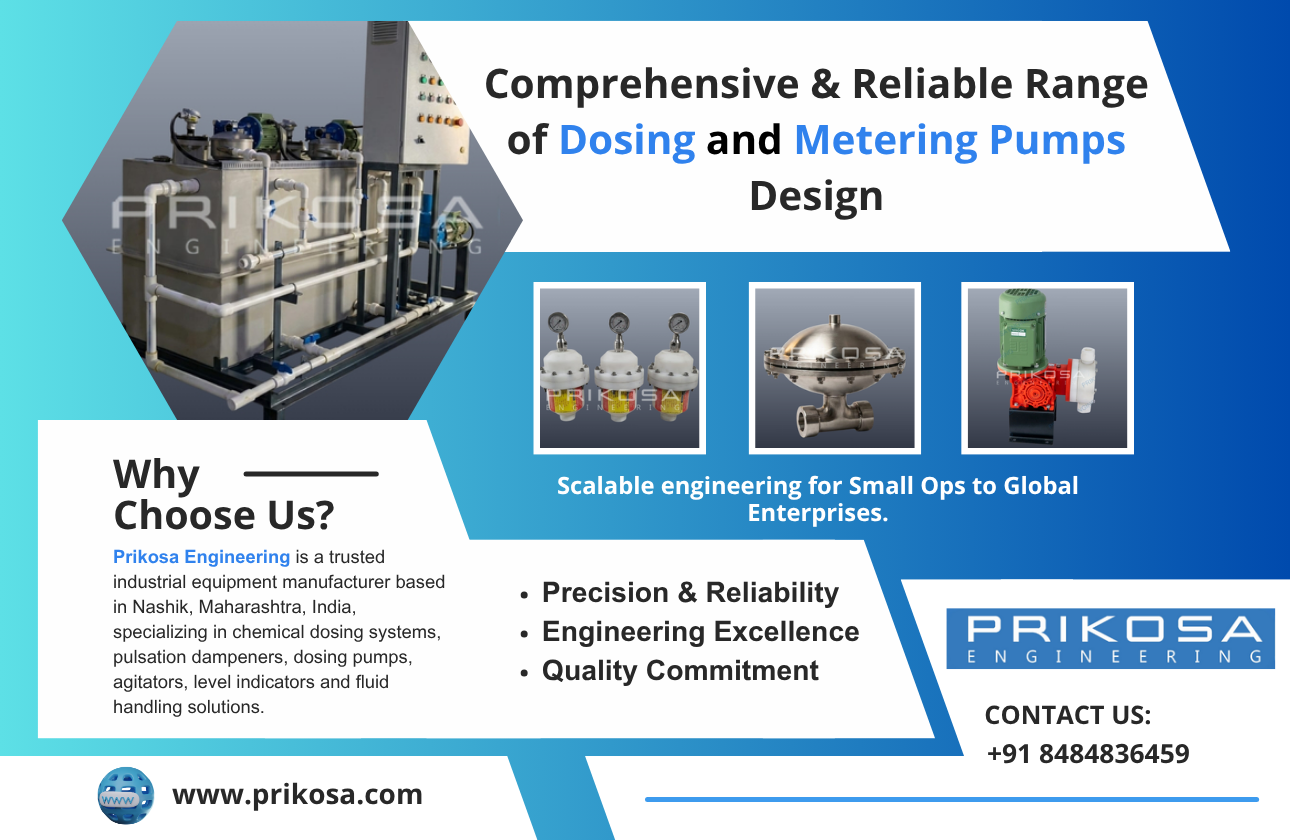
What is a Diaphragm Type Dampener?
Diaphragm type dampeners are essential components used in various industrial processes to smooth out pulsations in fluid systems. Imagine you're in a car driving on a bumpy road. Just like shock absorbers make the ride smoother, diaphragm dampeners calm the fluctuations in fluid processing. They are designed with a flexible diaphragm inside, which moves to absorb pressure variations. The flexibility of the diaphragm helps in managing pulsations and vibrations that often accompany hydraulic and pneumatic systems. This is particularly crucial in environments where steady pressure and flow rates are required to ensure that equipment and processes run smoothly.
Importance of Diaphragm Type Dampeners
Diaphragm type dampeners play a key role in improving the efficiency and lifespan of equipment. By reducing pressure pulsations, these dampeners minimize wear and tear on pumping systems. Such effectiveness is visible in applications like chemical dosing, fuel transfer, and fluid mixing, where constant pressure is a prerequisite. For example, in chemical dosing systems, maintaining a steady flow prevents overdosage or underdosage, ensuring accurate chemical treatment. Additionally, reducing stress on components can lead to significant cost savings on maintenance and replacements. Their benefits highlight why understanding their functionality and applications is essential for industries relying heavily on fluid transfer.
How Diaphragm Type Dampeners Work
The working principle of diaphragm type dampeners is based on their ability to absorb energy. When the fluid in the system creates pulsations, the diaphragm inside the dampener flexes. This flexing action absorbs the energy of the pulsation, smoothing out the fluctuations. The diaphragm is usually made from materials like rubber or a synthetic alternative to withstand chemical and physical stresses. The trapped air or gas behind the diaphragm compresses and expands as needed, balancing the pressure and maintaining a consistent flow. Understanding this mechanism is crucial for designing systems that depend on precise fluid control, such as alum dosing system.
Applications of Diaphragm Type Dampeners
Diaphragm type dampeners are widely used across different sectors. In the food and beverage industry, they ensure that pasteurization and brewing processes receive constant flow rates. Similarly, in pharmaceutical manufacturing, dampeners maintain the accuracy of chemical delivery in production lines. Water treatment facilities also benefit greatly from these devices. By using dampeners, facilities reduce the risk of pipeline failures and enhance system performance. Their adaptability makes them ideal for various pressures and fluids, which is why industries like automatic flocculant dosing system rely on them as a core component for smooth operations.
Maintaining Diaphragm Type Dampeners
Like any other equipment, diaphragm type dampeners require regular maintenance to function efficiently. The diaphragm should be checked periodically for signs of wear or damage, which could lead to system failures if unnoticed. Replacing worn-out diaphragms ensures that the dampener operates under optimal conditions and prolongs its lifespan. Regular cleaning of the dampener helps in preventing blockages or buildup that can affect performance. Employing a structured maintenance schedule, similar to guidelines seen in resources like chemical dosing systems, can aid in preventing unexpected downtimes and maintaining operational efficiency.
Frequently Asked Questions
1. Why are diaphragm type dampeners important for pumps?
Answer: Diaphragm type dampeners improve pump performance by reducing pulsations and vibrations. They ensure a smooth flow, which prolongs the life of components and reduces operational noise. Additionally, they help in maintaining precise flow rates crucial for systems like pulsation dampeners for dosing pumps.
2. How do I maintain a diaphragm type dampener?
Answer: Regular inspection for wear and tear on the diaphragm is essential. Cleaning the system at intervals prevents buildup and blockages, ensuring consistent performance. Following a maintenance schedule minimizes the risk of system failure and costly repairs.
3. Can diaphragm type dampeners be used with all types of fluids?
Answer: Yes, they are versatile and can be used with a wide range of fluids including chemicals, water, and beverages. However, selecting the right material for the diaphragm is crucial depending on the fluid type to avoid chemical reactions or degradation.
4. What materials are diaphragm type dampeners made from?
Answer: They are typically made from materials like rubber, PTFE, or other synthetic materials. The specific material choice depends on the application and the chemical compatibility required to handle different fluids effectively.
5. How do diaphragm type dampeners differ from other dampeners?
Answer: Diaphragm type dampeners specifically use a flexible diaphragm to absorb pressure fluctuations, making them highly effective in applications requiring precise control over fluid dynamics. This differentiates them from other dampeners which may rely on different mechanisms or components for similar purposes.