
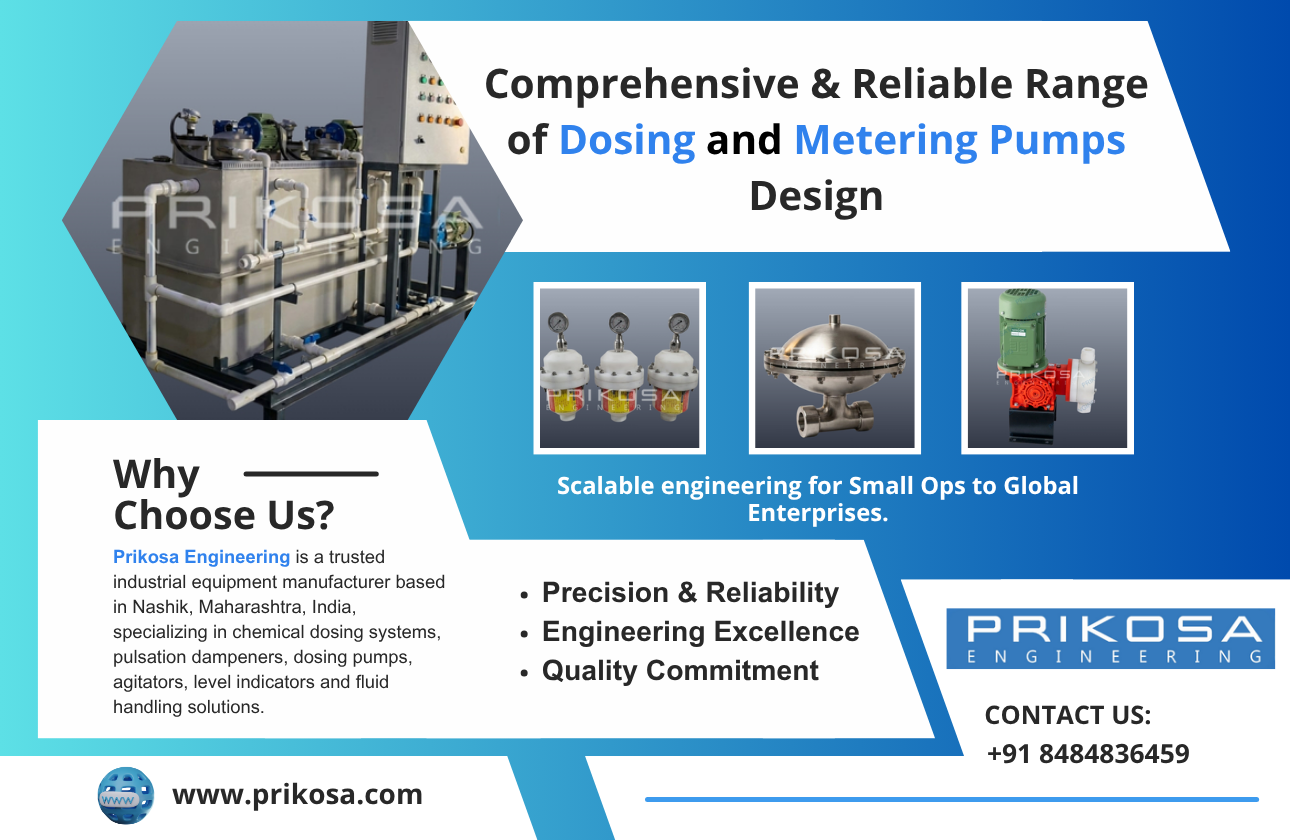
Pulsation Dampener
Pulsation dampeners are essential devices used in various pumping systems to smooth out the pressure fluctuations caused by the pump. These fluctuations, also known as pulsations, can lead to noise, vibration, and even damage to the piping system if not managed effectively. By absorbing the pressure spikes, pulsation dampener help maintain a steady flow, reducing the wear and tear on equipment and improving overall system efficiency. They work similarly to shock absorbers in cars, ensuring a smooth operation which is critical for maintaining the integrity and longevity of the pumping system.
Bladder Type Pulsation Dampener
The bladder type pulsation dampener is a popular choice due to its effective design and versatility. This type of dampener uses a flexible bladder made from materials like rubber or synthetic compounds to absorb the pressure variations. When the pressure rises, the bladder compresses, allowing the excess fluid pressure to spread evenly, and when the pressure drops, it expands, pushing the fluid back into the system. This action helps in maintaining a consistent flow and reducing the chances of system failure, especially in applications involving high frequencies or rapid pressure changes.
Bellow Type Pulsation Dampener
Bellow type pulsation dampeners utilize a metallic or rubber bellow to manage pressure pulsations in the system. The bellow acts similar to a spring, contracting and expanding as needed to adjust to changes in pressure. These dampeners are particularly useful in systems where temperature variations are a concern, providing both pressure dampening and a degree of thermal contraction compensation. Bellow type pulsation dampeners are reliable and require minimal maintenance, making them ideal for harsh industrial environments where consistent performance is crucial.
Pressure Pulsation Dampener
Pressure pulsation dampeners play a significant role in stabilizing the pressure within a piping system. They help in reducing vibrations and minimizing the risk of leaks or bursts in the piping due to excessive pressure fluctuations. By ensuring a consistent pressure level, these dampeners enhance the safety and efficiency of chemical dosing systems and others that require precise pressure control. They are especially critical in operations involving sensitive materials where even minor pressure changes can affect process outcomes. Pressure pulsation dampeners are integral parts of systems that need to operate smoothly and without unplanned interruptions.
Choosing the Right Pulsation Dampener
When deciding on a pulsation dampener for your system, it is important to consider factors like the type of pump, the nature of the fluid being pumped, and the specific operating conditions. Each type of dampener has its strengths, such as the bladder type's versatility or the bellow type's resilience in variable temperature environments. Consulting with an expert can help in selecting a suitable pulsation dampener to meet your system's needs. Ensuring you have the right dampener not only extends the life of your equipment but also guarantees stronger system performance and reliability.
Frequently Asked Questions
1. What is the primary function of a pulsation dampener?
Answer: A pulsation dampener's main role is to absorb and mitigate the pressure spikes or pulsations produced by a pump, thus ensuring a smooth and consistent flow within the system. This helps in reducing noise, vibration, and potential damage to the piping and system components.
2. How does a bladder type pulsation dampener work?
Answer: A bladder type pulsation dampener operates using a flexible bladder that compresses and expands in response to changes in pressure. This action absorbs excess pressure during spikes and releases it when pressure decreases, maintaining a consistent system flow.
3. What are the advantages of using a bellow type pulsation dampener?
Answer: Bellow type pulsation dampeners are advantageous because they offer a combination of pressure dampening and thermal contraction compensation. They are robust, require minimal maintenance, and are ideal for harsh environments with temperature variations.
4. Why are pressure pulsation dampeners important in chemical dosing systems?
Answer: Pressure pulsation dampeners are crucial in chemical dosing systems because they ensure consistent pressure levels. This consistency is vital for precise dosing and minimizing risks of leaks, ensuring safety and efficient operation.
5. How do I choose the right pulsation dampener for my system?
Answer: Choosing the right dampener involves considering factors like the type of pump, fluid characteristics, and operating conditions. Expert consultation and understanding your system's specific requirements are key to selecting a suitable dampener that offers optimal performance and longevity.