
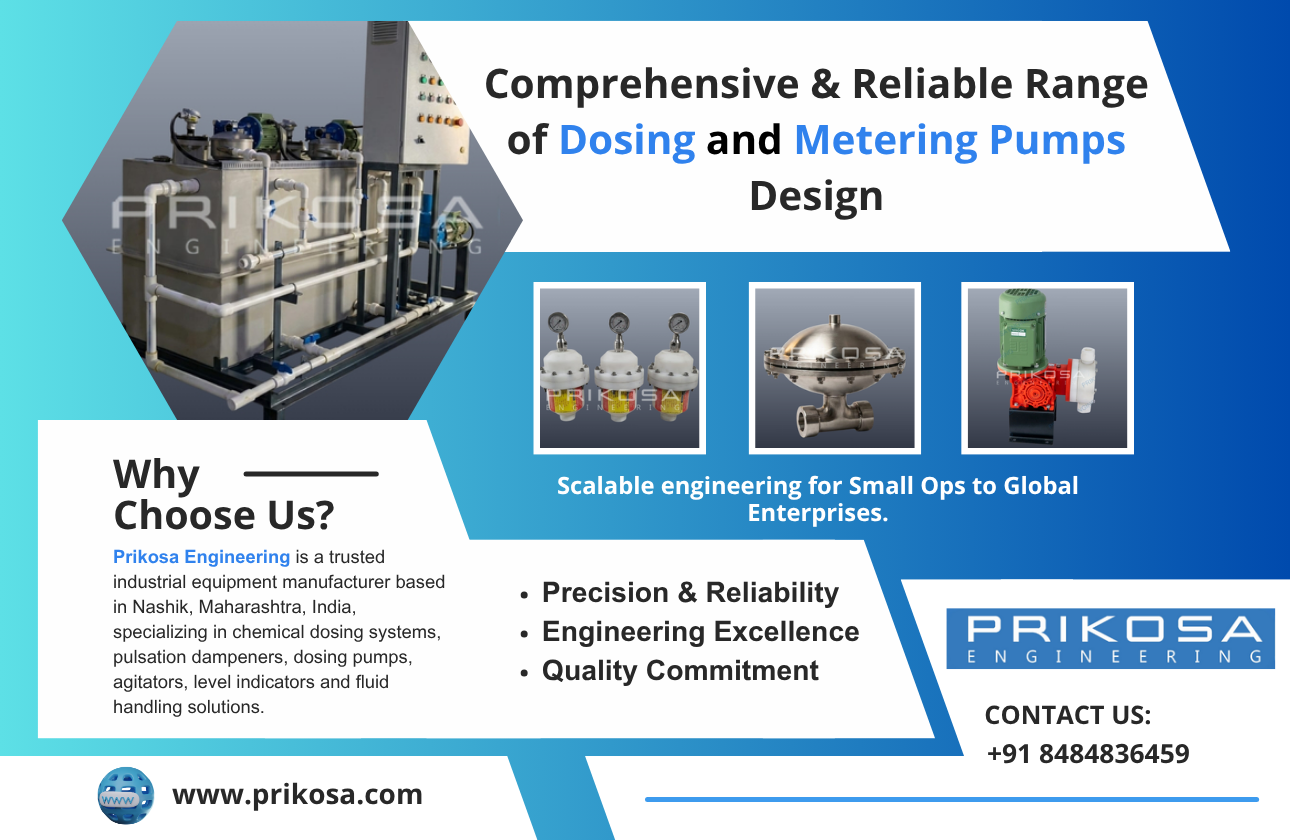
Introduction to Flocculant Dosing System
Flocculant dosing systems are crucial in water treatment processes. Essentially, they help remove suspended particles from water through a process called flocculation. The system doses flocculants, substances that cause clumping of particles, making it easier to separate them from the water. Understanding the process can be beneficial for various industries, particularly those dealing with effluent treatment and water recycling.
How Flocculant Dosing Systems Work
The system works by introducing precise quantities of flocculants into the water, which aid in the aggregation of particles into larger clusters. This makes the particles heavy enough to settle at the bottom. By adjusting the flocculant dosage, operators can optimize the system for varying water conditions, ensuring optimal cleanliness and efficiency.
Benefits of Using a Flocculant Dosing System
One key advantage is the improvement in water clarity and quality. These systems greatly enhance the efficiency of water treatment facilities by reducing the time and effort required to treat large volumes of water. Furthermore, they are cost-effective due to the reduced need for additional treatment processes. Industries find these systems invaluable in meeting environmental standards.
Understanding Automatic Flocculant Dosing System
Automatic flocculant dosing systems provide a more sophisticated and efficient solution for water treatment needs. These systems use advanced sensors and software to monitor water quality in real-time, adjusting the flocculant dosage automatically. This automation leads to consistent quality, optimized chemical usage, and lower operational costs.
Advantages of Automation
Automation in flocculant dosing offers numerous benefits. It reduces human error, ensuring a more consistent dosing that can be fine-tuned to the specific requirements of a plant. Automation also allows for the integration with existing water treatment systems, providing seamless operation and reliability.
Choosing the Right Flocculant Dosing System
When selecting a flocculant dosing system, several factors need consideration, such as the volume of water to be treated, the type of suspended solids, and the specific flocculant chemicals in use. It's important to assess your facility’s needs and consult experts for a system that aligns with your operational goals. Engaging with resources like the role of dosing pumps can provide valuable insights during this selection process.
Maintaining Your Flocculant Dosing System
Regular maintenance is essential to ensure the longevity and efficacy of a flocculant dosing system. This includes routine inspection of system components, calibration of sensors, and timely replacement of worn parts. Maintenance helps in ensuring continuous operation without any disruptions, which can be crucial for facilities with high water treatment demands.
Future of Flocculant Dosing System Technology
The future of flocculant dosing systems is leaning towards greater automation and integration with chemical dosing skids that promote efficiency and scalability. With innovations focused on sustainability and advanced analytics, these systems will continue to evolve, offering smarter solutions for environmental management and resource conservation.
Frequently Asked Questions
1. What is a flocculant dosing system?
Answer: It is a system that introduces flocculants into water to help clump together suspended particles, making them easier to remove from the water. This process is essential for maintaining clear and clean water.
2. How does an automatic flocculant dosing system improve efficiency?
Answer: An automatic system adjusts the dosing of flocculants in real-time using sensors, which ensures optimal chemical usage and system efficiency while reducing operational costs and human error.
3. What are the main components of a flocculant dosing system?
Answer: Key components include dosing pumps, sensors, mixing tanks, and control units. These elements work together to provide precise delivery of flocculants into the water treatment process.
4. Can flocculant dosing systems be customized?
Answer: Yes, systems can be tailored to meet specific water treatment needs, depending on the type of particles, water volume, and operational criteria of the facility.
5. Are there environmental benefits to using flocculant dosing systems?
Answer: Absolutely, by improving the efficiency of water treatment, these systems help in reducing water pollution and conserving resources, which supports environmental sustainability efforts.