
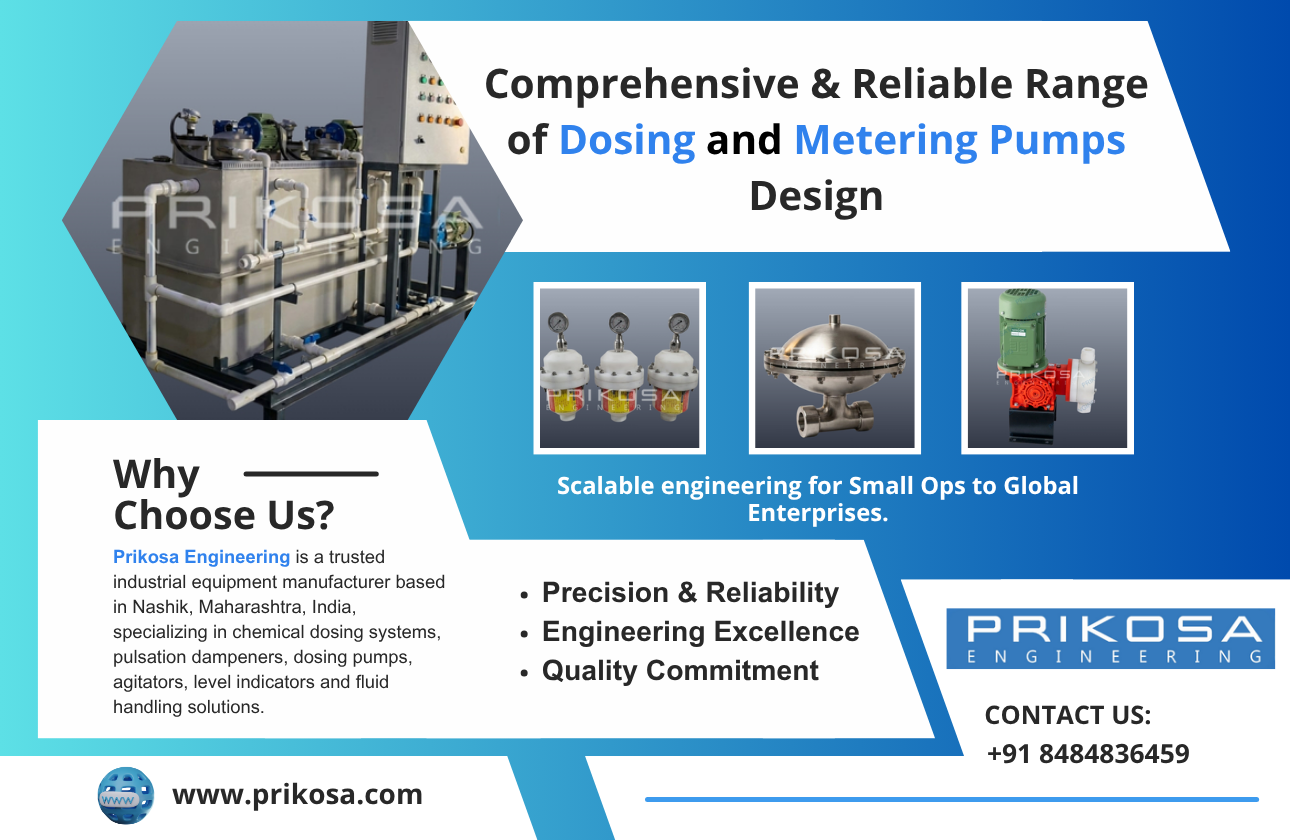
Introduction to Polymer Dosing Systems
Polymer dosing systems are essential tools in various industries for processing water and wastewater treatment. These systems accurately mix and deliver polymers into a water system to improve the treatment process. The main goal is to enhance coagulation and flocculation, which are crucial for removing contaminants and solid particles. By maximizing efficiency and minimizing waste, these systems not only ensure cleaner water but also promote cost-effectiveness in treatment facilities.
Components of a Polymer Dosing System
A polymer dosing system typically consists of several key components working in harmony. These include chemical tanks, dosing pumps, mixers, and control units. The chemical tanks store the polymer solution, while dosing pumps accurately measure and inject the correct amount of polymer into the water stream. Mixers are employed to guarantee a uniform mixture, and control units automate the process by adjusting the dosing rates as required. This setup ensures precise dosing, which is vital for consistent quality treatment.
Applications of Polymer Dosing Systems
Polymer dosing systems are widely used in industry sectors including municipal water treatment plants, chemical processing facilities, and food and beverage operations. These systems are particularly effective in applications where the removal of solids and organic material is necessary. By enhancing the flocculation process, these systems help in the sedimentation of particles, leading to clearer and safer treated water. This versatility makes them an indispensable part of many water treatment processes.
Benefits of Polymer Dosing Systems
There are several notable benefits of using polymer dosing systems. Firstly, they improve the efficiency of water and wastewater treatment by enhancing the coagulation and flocculation processes. Secondly, they help reduce the costs associated with chemical consumption as they provide precise dosing. Moreover, these systems decrease energy usage by optimizing the sedimentation and filtration steps, leading to lower operational costs. Ultimately, for any facility aiming for top-notch water management, investing in an efficient polymer dosing system is a smart move.
Understanding the Polydosing System for ETP
The polydosing system for ETP or Effluent Treatment Plant is crucial for managing industrial wastewater. Such systems are designed to handle the complexities of treating effluents with high levels of contaminants. By ensuring accurate dosing of polymers, these systems enhance the treatment of such water, making it reusable or safe for disposal. The advanced technology ensures that only the necessary amount of chemicals is used, making the process both economically and environmentally sustainable.
The Role of Polymer Dosing Systems in STP
In Sewage Treatment Plants (STP), polymer dosing systems play a significant role in treating domestic sewage. With an influx of various organic wastes, STPs rely on these systems to aid the flocculation and settling of particles. This results in clearer, treated sewage that meets environmental safety standards. By integrating these systems, municipalities can ensure that their treatment facilities operate efficiently, protecting public health and water resources.
Frequently Asked Questions
1. What is a polymer dosing system?
Answer: A polymer dosing system is designed to introduce polymers into water or wastewater to aid in the treatment process. It helps in coagulation and flocculation, aiding in the removal of solid contaminants.
2. How does a polymer dosing system improve water treatment?
Answer: These systems optimize chemical usage, enhance solid removal, and increase the efficiency of sedimentation and filtration processes, leading to cleaner and safer water.
3. Why are polymer dosing systems important for ETPs?
Answer: In Effluent Treatment Plants, these systems help manage industrial wastewater by accurately dosing polymers, which improves the treatment process and ensures compliance with disposal standards.
4. What is the advantage of using a polydosing system in STPs?
Answer: Polydosing systems improve the treatment of sewage by enhancing the flocculation process, which helps in efficiently settling particles, resulting in safer treated effluent.
5. Can polymer dosing systems save operational costs?
Answer: Yes, they can reduce chemical consumption and optimize energy usage, leading to decreased operational costs for treatment facilities.