
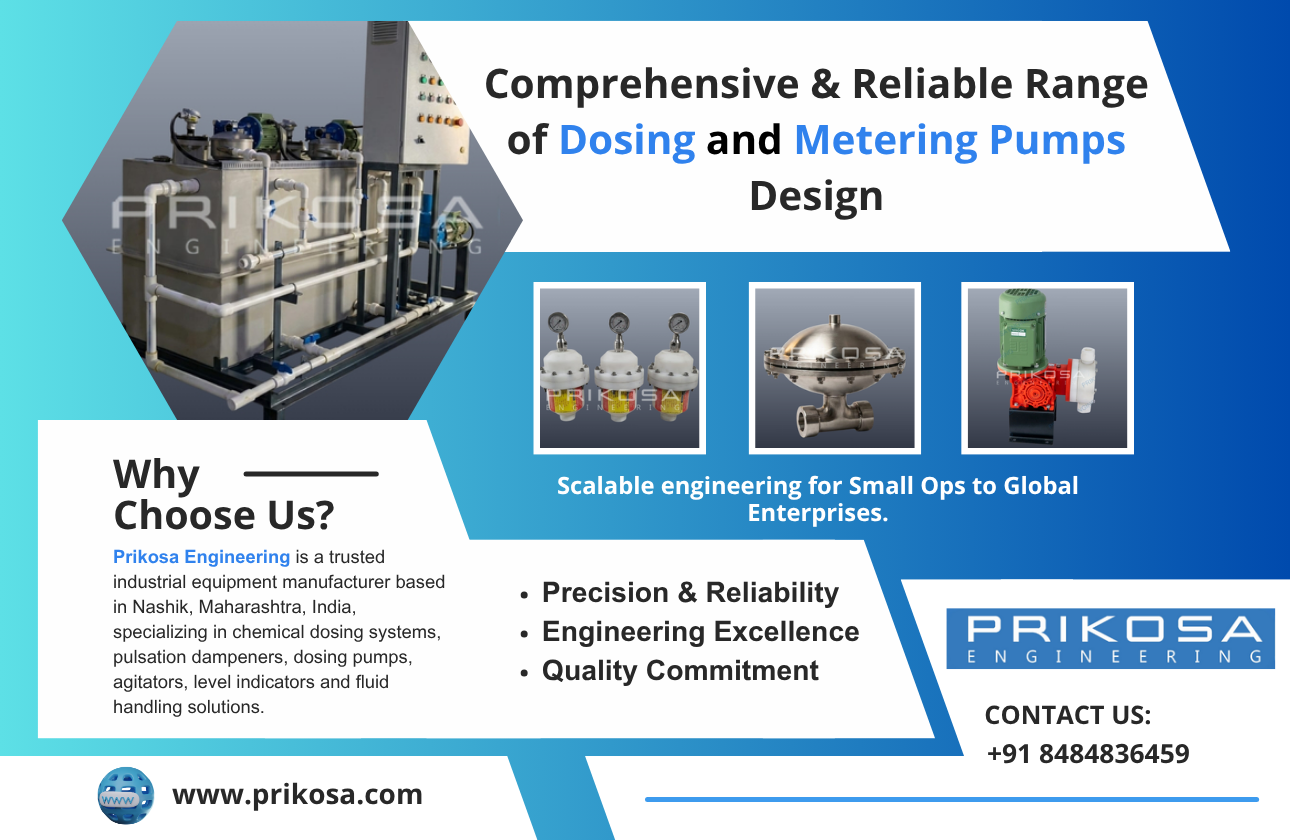
What is a Polymer Dosing System for STP?
A Polymer Dosing System for Sewage Treatment Plants (STP) is a setup that introduces polymers into the sewage treatment process. Polymers are chemicals used to enhance the separation of pollutants from water. When added to wastewater, they help in coagulating and flocculating smaller particles into larger ones, making them easier to filter. This step is crucial for effective wastewater management, ensuring cleaner water exits the treatment process. There are various types of polymer dosing systems, each designed to handle specific volumes and compositions of wastewater.
The Importance of Polymer Dosing Systems in STP
In any sewage treatment facility, maintaining clean effluent water is paramount. Polymer dosing systems play a significant role in achieving this by ensuring optimal particle aggregation. The systems are efficient in removing suspended solids and reducing chemical oxygen demand through efficient coagulation. This contributes not only to environmental protection but also helps facilities meet regulatory compliance. Intriguingly, these systems can be optimized for different polymers, adapting to varying types of waste streams that an STP might encounter.
Components of a Polymer Dosing System for STP
A standard polymer dosing system includes several key components. The primary element is the dosing pump, which accurately dispenses polymer into the sewage stream. Alongside it, the system usually has a preparation unit where the polymer is mixed with water to create a uniform solution. Another critical component is the control system, which automates the dosing process based on the plant's needs. Some systems even feature online monitoring tools to ensure everything runs smoothly. Together, these components ensure efficient and reliable operation of the system.
Challenges in Implementing Polymer Dosing Systems
While polymer dosing systems offer many advantages, they can also pose some challenges. One key issue is the careful selection of the appropriate polymer for the specific wastewater characteristics at the STP. Using the wrong chemical could result in ineffective treatment and increased operational costs. Additionally, system maintenance is vital to prevent clogging and wear in the pumps. Fortunately, regular check-ups and proper employee training on system handling can mitigate most of these problems. Investing in reliable and robust systems will also help in reducing these challenges.
Advantages of Using Polymer Dosing Systems in STP
There are numerous advantages to using polymer dosing systems in sewage treatment plants. Primarily, they enhance the efficiency of the treatment process, leading to higher quality effluent water. This not only ensures regulatory compliance but also reduces costs associated with water penalties. These systems also offer flexibility, as they can be calibrated according to the varying influent conditions. Another benefit is that they help minimize sludge volume, which can result in savings on sludge disposal costs. Overall, polymer dosing systems are a cost-effective solution for modern STPs.
Frequently Asked Questions
1. What types of polymers are used in STP dosing systems?
Answer: The most commonly used polymers in STP dosing systems are coagulants and flocculants. Coagulants such as aluminum or iron-based chemicals are used to neutralize charges on particles, while flocculants like polyacrylamides help in bringing them together.
2. How do polymer dosing systems improve water quality?
Answer: Polymer dosing systems enhance water quality by improving the coagulation and flocculation phase of treatment. They ensure that suspended solids are effectively combined and settled, leading to cleaner effluent water.
3. Are there specific maintenance practices for dosing systems?
Answer: Yes, regular maintenance is crucial. This involves checking and cleaning the dosing pumps, ensuring the preparation units are functioning correctly, and routinely inspecting control system operations to prevent any disruptions.
4. Can polymer dosing systems be automated?
Answer: Absolutely, many modern dosing systems are equipped with automation features. These often include programmable logic controllers (PLCs) which streamline operations, reduce human error, and enable easy scaling of the dosing process.
5. Where can I learn more about sewage treatment plant technologies?
Answer: For more information, you can explore in-depth resources like this comprehensive guide. It provides detailed insights into the world of polymer dosing systems and technologies involved in modern wastewater treatment.