
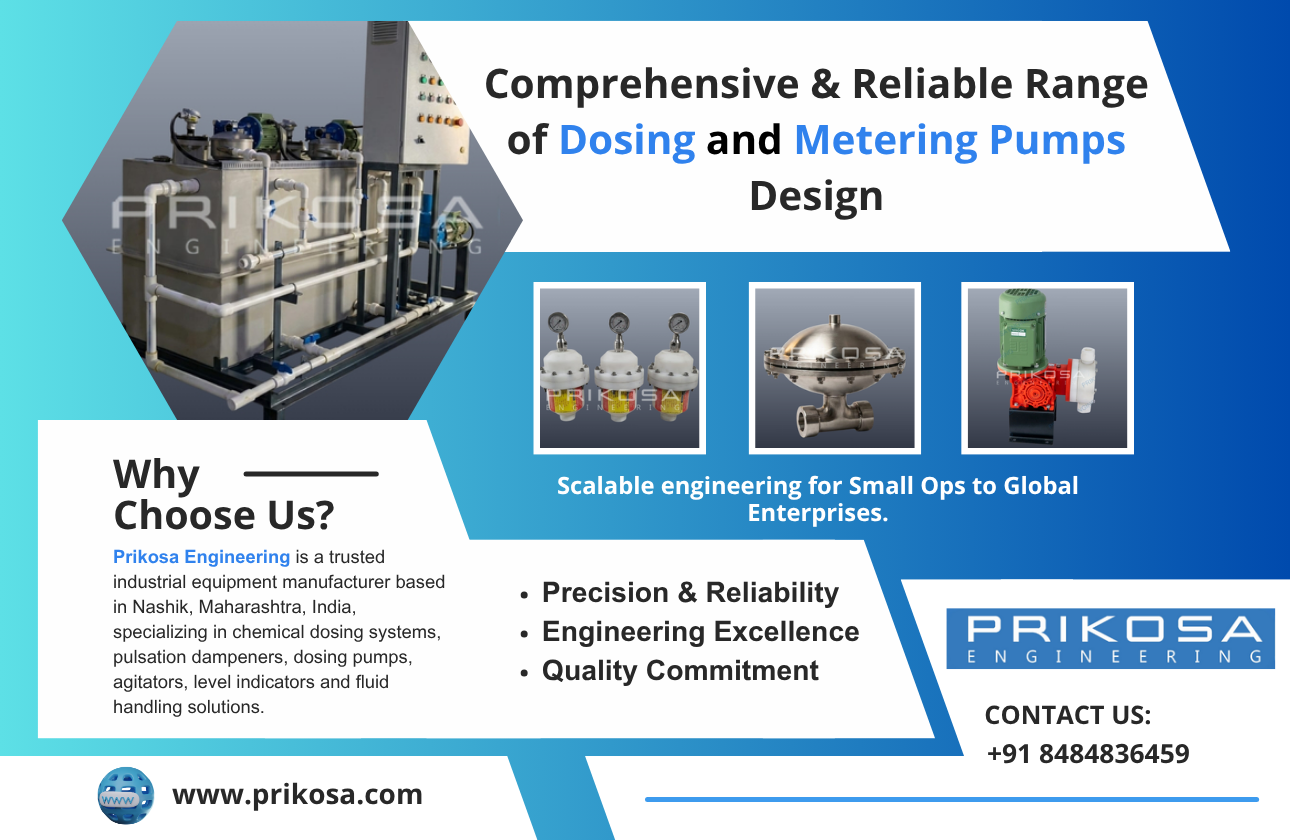
Understanding the Polymer Dosing System
A polymer dosing system is integral in various industrial processes, particularly for its role in water treatment. It is a mechanism that efficiently adds polymers into a treatment system to facilitate flocculation. This is crucial in separating solids from liquids. The system's efficiency is grounded in its ability to mix polymers evenly with water to form a solution that enables the coagulation of suspended particles. The uniform distribution achieved by polymer dosing systems makes them vital in industries ranging from wastewater treatment to papermaking.
How Polymer Dosing Systems Work
At its core, a polymer dosing system works by accurately measuring, preparing, and dispensing polymer solutions. These systems typically include components like dosing pumps, tanks, mixers, and sometimes automated controllers. The automatic flocculant dosing systems are designed to ensure the optimal amount of polymer is introduced into the process, reducing waste and enhancing efficiency. This precision is essential because the effectiveness of the system hinges on the correct concentration, timing, and manner of polymer application.
Applications in Various Industries
Polymer dosing systems find their utility not only in water and wastewater treatment but also in food processing, oil and gas, and mining operations. In water treatment facilities, polymer dosing is key to enhancing sedimentation and filtration processes. This results in clearer water outputs and reduced sludge volumes. Likewise, in the paper industry, these systems contribute to improving the quality and efficiency of paper production by maintaining the right consistency and chemical composition.
The Role of Polydosing Systems in ETP STP
Effluent Treatment Plants (ETP) and Sewage Treatment Plants (STP) heavily rely on polydosing systems for effective operation. A polydosing system for ETP STP involves using multiple sources of polymers to ensure flexibility and responsiveness to varying treatment needs. This adaptability is particularly crucial when dealing with fluctuating contaminant levels in incoming wastewater streams. Such systems are central to achieving compliance with environmental regulations by providing consistent effluent quality.
Why Invest in a Polydosing System for ETP STP?
Investing in a polydosing system offers considerable operational and cost benefits. These systems can automatically adjust the type and amount of polymer used based on the demand, making them efficient and cost-effective. The automation aspect reduces manual intervention, which not only cuts labor costs but also minimizes human error. Furthermore, smart and automatic dosing systems enhance reliability, ensuring that treatment processes are uninterrupted and consistent.
Operation and Maintenance of Polymer Dosing Systems
The operation of polymer dosing systems requires regular monitoring and maintenance to ensure optimal performance. This includes checking the accuracy of dosing pumps, inspecting mixing chambers for clogs, and ensuring the solution tanks are free from sediment build-up. Preventive maintenance extends the system's life and maintains the quality of polymer solutions. Additionally, training personnel on the operation of these systems is crucial to ensure that they respond aptly to any issues and keep the system running smoothly.
Future of Polymer Dosing and Innovations
The future of polymer dosing systems is veering towards increased automation and integration with smart technologies. Industry trends indicate a shift towards systems that can anticipate demand and adjust operations autonomously. This is being facilitated by advancements in IoT and sensor technologies, allowing for real-time monitoring and adjustments in chemical dosing systems. Such innovations not only promise efficiency but also align with industry sustainability goals by reducing waste and energy consumption.
Frequently Asked Questions
1. What are polymer dosing systems used for?
Answer: Polymer dosing systems are used to add polymers to various treatment processes, especially in water and wastewater treatment, to aid in sedimentation and filtration.
2. How do polydosing systems benefit ETP and STP?
Answer: They allow for the flexible application of polymers, adapting to varying treatment needs and ensuring consistent effluent quality.
3. What industries use polymer dosing systems?
Answer: Apart from water and wastewater treatment, industries such as food processing, oil and gas, mining, and paper manufacturing utilize these systems.
4. Why is maintenance important for polymer dosing systems?
Answer: Regular maintenance ensures the system operates effectively, prevents clogs, and maintains the accuracy of chemical application, thereby prolonging the system's lifespan.
5. What's the future of polymer dosing technology?
Answer: The future lies in automated systems enhanced by IoT and real-time sensors, which promise greater efficiency and sustainability.