
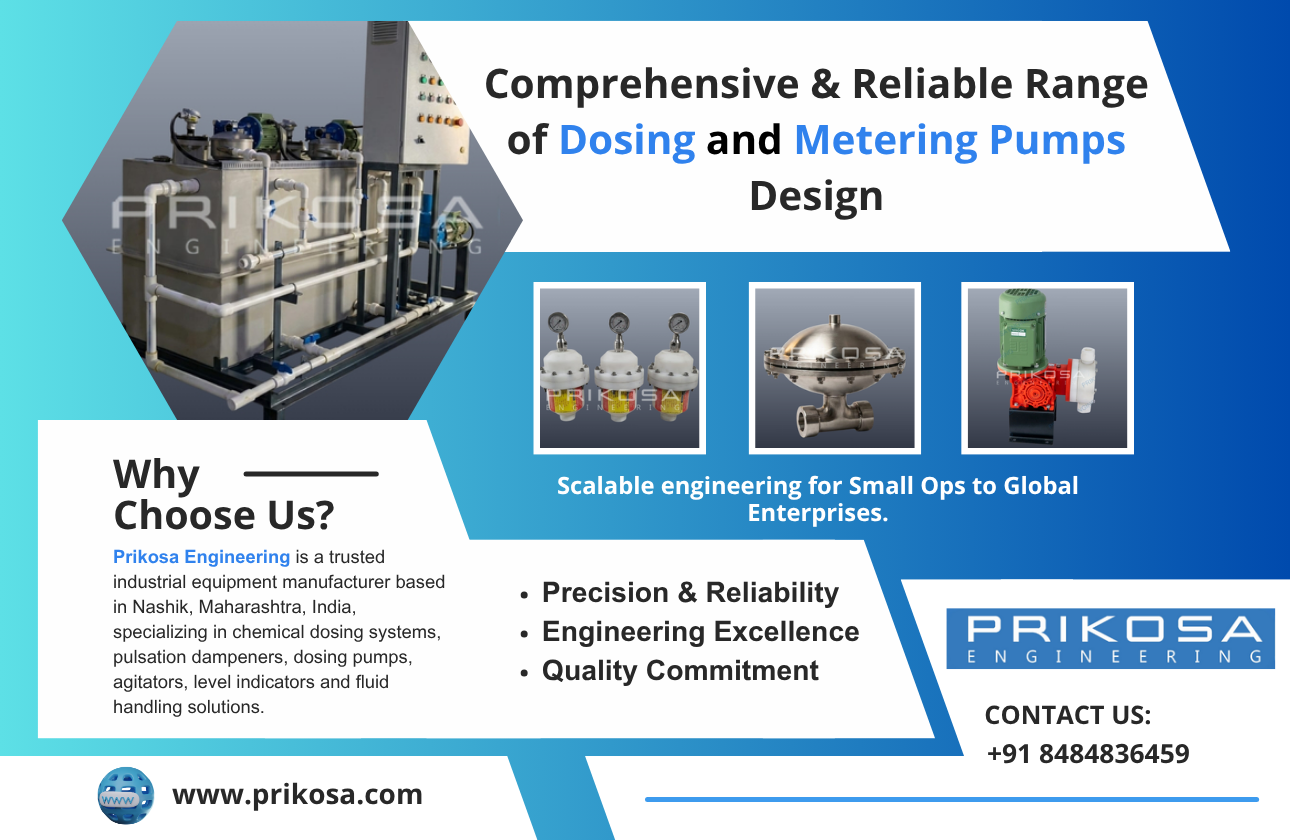
Smart Dosing System
Smart dosing systems are revolutionizing the way chemicals are managed and dispensed in various industries. These systems use advanced sensors and software to accurately measure and dispense precise amounts of chemicals. This technology ensures that the right amount of chemical is delivered at the right time, minimizing waste and optimizing production. Through software integration, these systems can also provide real-time data on consumption, allowing for better decision-making and inventory management. The benefits of smart dosing systems include increased efficiency, cost savings, and reduced environmental impact.
Automatic Dosing System
Automatic dosing systems eliminate the need for manual intervention, resulting in a more streamlined and consistent process. By automating the chemical dosing process, these systems reduce human error and ensure a high level of precision and control. Industries such as water treatment, agriculture, and manufacturing are seeing significant improvements in operational efficiency due to the implementation of automatic dosing systems. Furthermore, with the integration of smart technology, automatic dosing systems can predict maintenance needs and optimize performance based on usage patterns.
Integration of Smart Dosing Systems
The integration of smart dosing systems into existing processes can be straightforward and cost-effective. These systems can be tailored to meet specific needs and can be easily scaled or upgraded. They offer real-time monitoring and control, which leads to improved safety and compliance with regulatory standards. Industries benefit from their adaptability, as smart dosing systems can handle multiple chemicals simultaneously, ensuring that each chemical is accurately dispensed.
Benefits of Smart Dosing Systems
Smart dosing systems provide several advantages over traditional methods. They improve precision, leading to better product quality and consistent results. Additionally, these systems reduce chemical wastage, making operations more sustainable and environmentally friendly. The data generated by smart dosing systems can be analyzed to identify trends and make informed decisions. Furthermore, by automating and optimizing dosing, companies can save on labor costs and reduce the potential for human error.
The Future of Dosing Systems
As technology continues to advance, the future of dosing systems looks promising. Innovations in automatic dosing systems are making them more efficient and capable of managing complex processes with ease. These systems are becoming increasingly integrated with Industry 4.0 and the Internet of Things (IoT), allowing them to communicate with other devices and systems for smarter operations. The potential for predictive maintenance and self-optimization makes smart dosing systems an essential tool for modern industry.
Challenges and Considerations
While smart and automatic dosing systems offer numerous benefits, there are challenges to consider. Initial setup costs and the need for skilled personnel to operate and maintain these systems can be a barrier for some companies. Additionally, data security is a concern as these systems often rely on cloud-based solutions for data storage and analysis. Proper risk assessment and risk management strategies are necessary to mitigate these challenges and ensure smooth operation.
Frequently Asked Questions
1. What are smart dosing systems?
Answer: Smart dosing systems are advanced devices that use sensors and software to precisely measure and dispense chemicals, enhancing efficiency and minimizing waste.
2. How do automatic dosing systems work?
Answer: Automatic dosing systems work by automating the chemical dispensing process, utilizing sensors and actuators to deliver accurate amounts without manual intervention.
3. What industries benefit from smart dosing systems?
Answer: Industries like water treatment, agriculture, and manufacturing benefit significantly from smart dosing systems by improving efficiency and reducing chemical waste.
4. What are the key benefits of using smart dosing systems?
Answer: The key benefits include improved precision, cost savings, reduced chemical waste, better compliance with standards, and real-time data for decision-making.
5. Are there any challenges in implementing smart dosing systems?
Answer: Yes, challenges include initial setup costs, the need for skilled personnel, and concerns regarding data security, which require effective risk management strategies.