
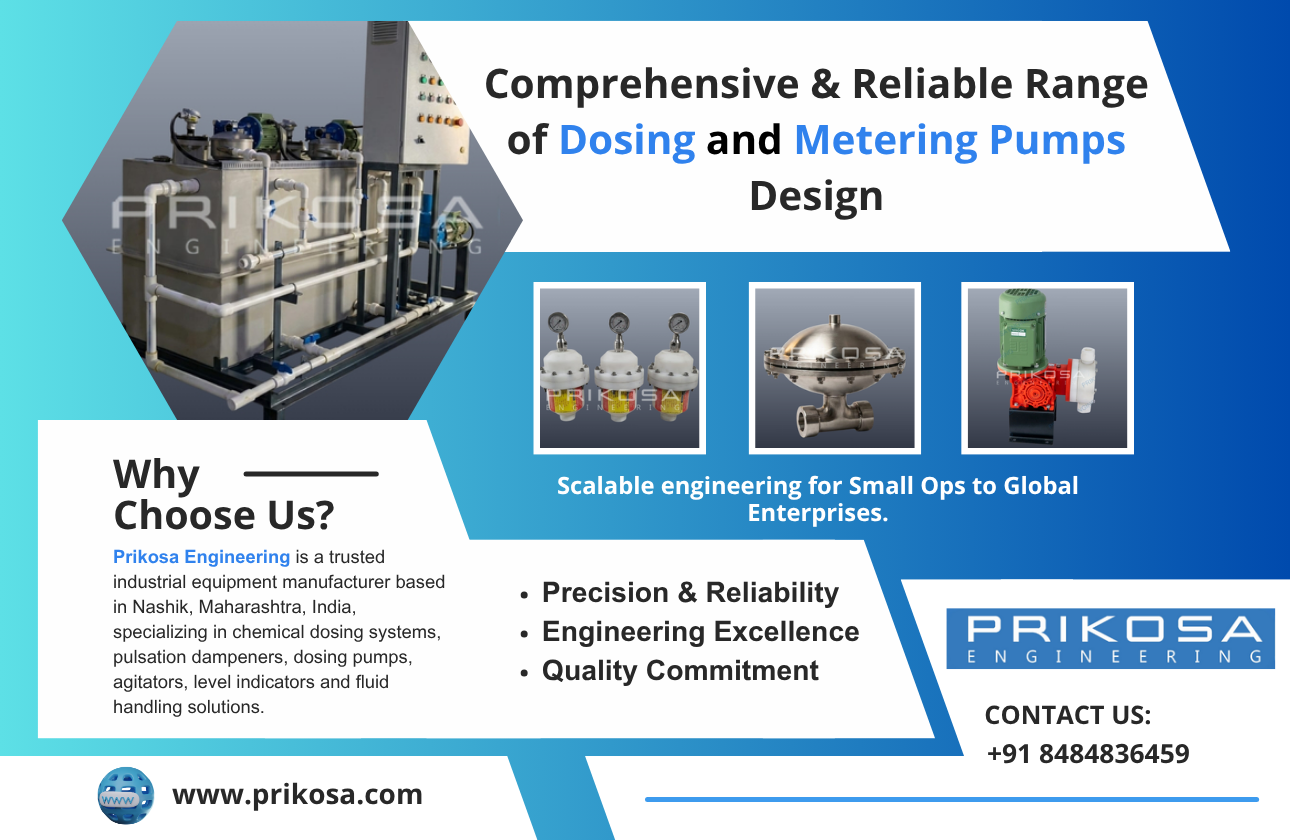
Smart Dosing System: The Future of Precision
Smart dosing systems represent a significant leap forward in the field of chemical dosing. These systems use advanced technology to ensure that the right amount of chemical is dispensed at the right time, every time. What makes them 'smart' is their ability to adapt to various conditions, making real-time adjustments based on feedback. This capability not only maximizes efficiency but also minimizes waste, making processes more sustainable.
The Benefits of a Smart Dosing System
A smart dosing system offers numerous benefits. First, it enhances accuracy, reducing the possibility of human error. By automating dosing, these systems allow operators to focus on other tasks, boosting productivity. And since they can adjust to different process requirements, operational flexibility is increased. In turn, this flexibility leads to better resource management and potentially significant cost savings. For industries prioritizing safety, the automation aspect of smart dosing systems also helps reduce contact with potentially hazardous chemicals.
Applications of Smart Dosing Systems
Smart dosing systems are vital across various industries. In wastewater treatment plants, they ensure the accurate chemical addition necessary for effective water purification. The food and beverage industry uses these systems to guarantee the precise mixing of ingredients. Even in the pharmaceutical sector, smart dosing systems are crucial for ensuring drugs are produced safely and effectively. Their ability to handle multiple chemicals simultaneously enhances their appeal and utility in complex production environments.
Automatic Dosing System: How It Works
The concept of an automatic dosing system centers around automation, removing the need for manual input. These systems utilize sensors and control units to monitor parameters like flow rate and pressure, dispensing chemicals automatically as needed. This proactive functionality not only saves time but also optimizes the process, reducing the likelihood of over or under dosing.
The Advantages of an Automatic Dosing System
Automatic dosing systems offer significant advantages, one of which is consistency. By providing uniform dosing, they help maintain process stability, which is paramount, especially in industries with strict quality standards. They also improve operational efficiency by eliminating the need for constant human supervision. Moreover, through the use of data and analytics, automatic dosing systems can predict maintenance needs, avoiding unexpected downtime.
Integration of Smart and Automatic Dosing Systems
Integrating smart and automatic dosing systems offers the best of both worlds. This integration takes dosing precision to the next level, with the smart system adjusting settings as conditions evolve and the automatic system ensuring continuous operation without delays. Such a setup provides all-around efficiency, reliability, and safety, making it suitable for businesses looking to streamline operations.
Frequently Asked Questions
1. What makes a dosing system 'smart'?
Answer: A smart dosing system is characterized by its ability to adapt and make decisions based on real-time feedback. This involves sensing changes in the environment or process and making precise adjustments to ensure optimal dosing without manual input.
2. Why are smart dosing systems considered more efficient?
Answer: Smart dosing systems improve efficiency by reducing the margin for human error, optimizing resource usage, and minimizing waste. Their ability to learn from and adjust to different scenarios in real-time ensures processes run smoothly and efficiently.
3. How do automatic dosing systems reduce costs?
Answer: Automatic dosing systems cut costs by reducing manual labor, minimizing chemical waste, and promoting streamlined operations. They also predict maintenance needs, preventing costly downtime and ensuring continuous production.
4. Can smart and automatic dosing systems be used together?
Answer: Yes, combining smart and automatic dosing systems offers enhanced precision and efficiency. While the smart system adapts to changing conditions, the automatic system ensures seamless dosing, reducing the need for human oversight and improving operational reliability.
5. What industries benefit most from smart dosing systems?
Answer: Smart dosing systems benefit a wide range of industries, including water treatment, food and beverage, pharmaceuticals, and chemical manufacturing. Their ability to provide precise dosing and improve safety makes them invaluable to any process requiring accurate chemical handling.
Smart dosing systems Automatic dosing systems