
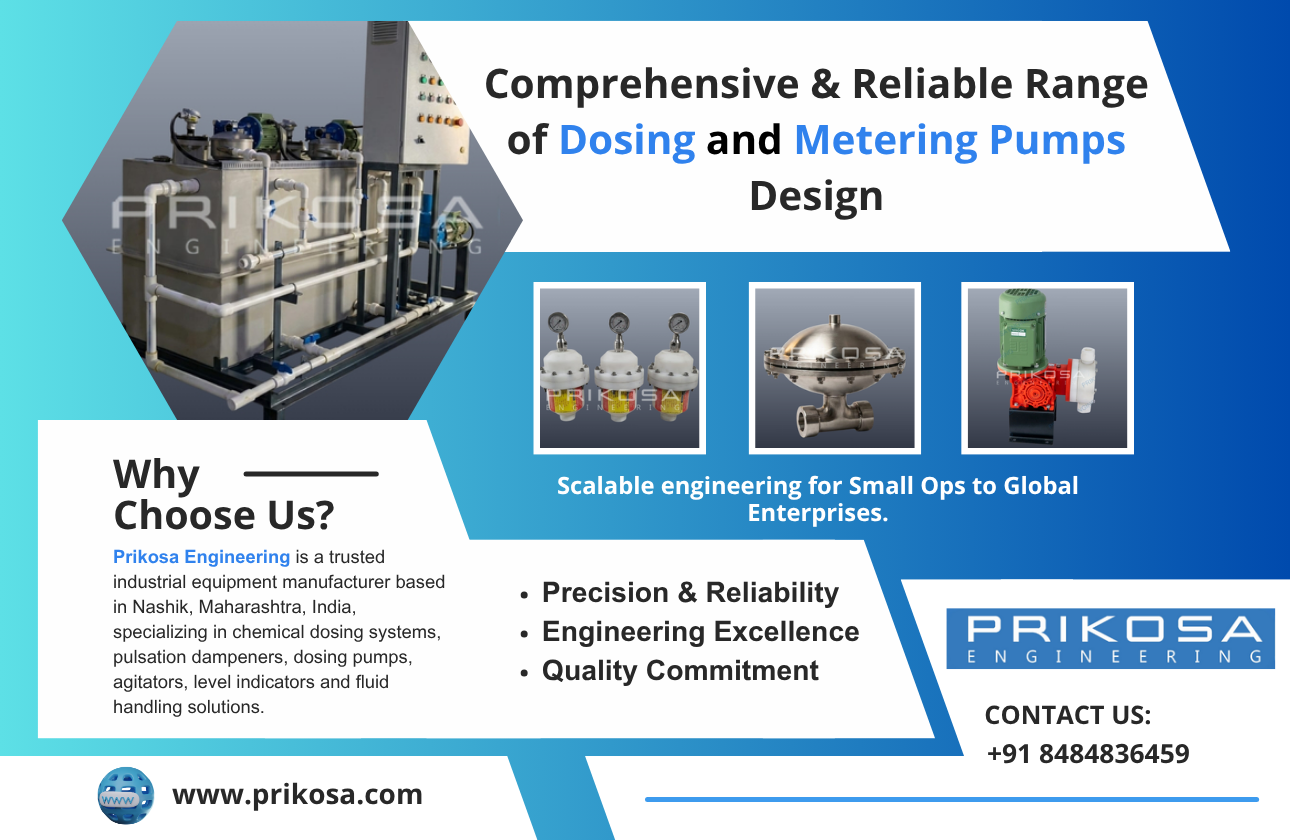
Smart Dosing System
At the heart of modern dosing technology lies the concept of the Smart Dosing System. These systems are specially designed to automate the measurement and delivery of chemicals, minimizing human error and enhancing efficiency. Employing sensors and control technologies, smart dosing systems can adjust dosing volumes based on real-time data. This capability makes them ideal for applications in water treatment and other industrial processes, where precision is critical. With continual advancements, smart dosing systems are not only becoming more accurate but also more user-friendly, offering seamless integration with existing processes.
Automation and Control in Smart Systems
What sets smart dosing systems apart is their automation capabilities. Unlike manual systems, smart systems incorporate advanced software and control mechanisms that automatically adjust dosing levels. Imagine being able to set up your system and forget about it, knowing it will autonomously manage itself. This automation ensures that the right amount of chemicals is delivered consistently, making the processes like water purification both efficient and reliable. In addition, these systems can send alerts and reports to users, ensuring constant monitoring and verification, thus providing an added layer of safety and accuracy.
Advantages of Smart Dosing Systems
Smart dosing systems offer numerous advantages over traditional methods. They save time, reduce material waste, and ensure consistent quality, making them an excellent investment for businesses. These systems also help in maintaining compliance with industry standards and regulations by providing precise chemical dosing. Additionally, the adoption of smart dosing systems significantly reduces the risk of human errors. Industries utilizing smart systems report stronger process outcomes and reduced operational costs over time, making them a valuable addition to any chemical process.
Components of a Smart Dosing System
The essential components of a smart dosing system include pumps, sensors, and control units. Each component works in tandem to optimize the performance of the system. Pumps introduce fluids and chemicals with high precision. Sensors measure variables such as fluid levels and chemical concentrations, offering feedback that the control unit uses to maintain optimal operation. Control units are smart units with sophisticated algorithms that process data and adjust operations as necessary, providing seamless system functionality.
Smart Dosing System
A Smart Dosing System is a leap forward in engineering that combines measurement technologies with innovative automation features. These systems continuously analyze processes to optimize the input of chemicals and other fluids regularly used in industrial settings. Beyond just convenience, they add a level of accountability and traceability to processes, making it easier for industries to comply with stringent environmental and safety standards. This adaptability extends their application across different sectors, enhancing both resource efficiency and product output quality.
Automatic Dosing System
Automatic Dosing Systems are pivotal in today's fast-paced industries where precision and efficiency are non-negotiable. Unlike the tailored smart systems, these automatic systems are designed for standardized operations that do not require real-time data adjustments. By pre-setting specific conditions, these systems operate independently to expedite workflows, guaranteeing the correct dosing volume each time. Industries enjoy reduced labor costs and heightened precision, which significantly boosts overall productivity.
Frequently Asked Questions
1. What industries benefit most from smart dosing systems?
Answer: Industries such as water treatment, chemical manufacturing, pharmaceuticals, and food processing benefit notably from implementing smart dosing systems. These industries require precise measurement and delivery of chemicals for processes, ensuring efficiency and safety.
2. How does a smart dosing system improve safety?
Answer: Smart dosing systems enhance safety by reducing human errors and automatically adjusting doses based on real-time data. They minimize direct contact with dangerous chemicals, thereby protecting workers and ensuring environmental safety standards are met.
3. Can smart dosing systems be integrated with existing processes?
Answer: Yes, smart dosing systems are designed for easy integration with existing processes and can work seamlessly with other units. Their adaptability makes it simpler for industries to enhance their current setups without overhauling existing systems, saving time and costs.
4. What makes automatic dosing systems cost-effective?
Answer: Automatic dosing systems are cost-effective because they reduce the need for manual intervention, lower material wastage through precision dosing, and streamline processes. These factors combine to enhance overall productivity and cost savings for businesses.
5. Is it possible to monitor automatic dosing systems remotely?
Answer: Yes, many automatic dosing systems offer remote monitoring through advanced control units. This capability allows operators to manage and monitor processes fromdifferent locations, ensuring complete system control and immediate adjustments if necessary.