
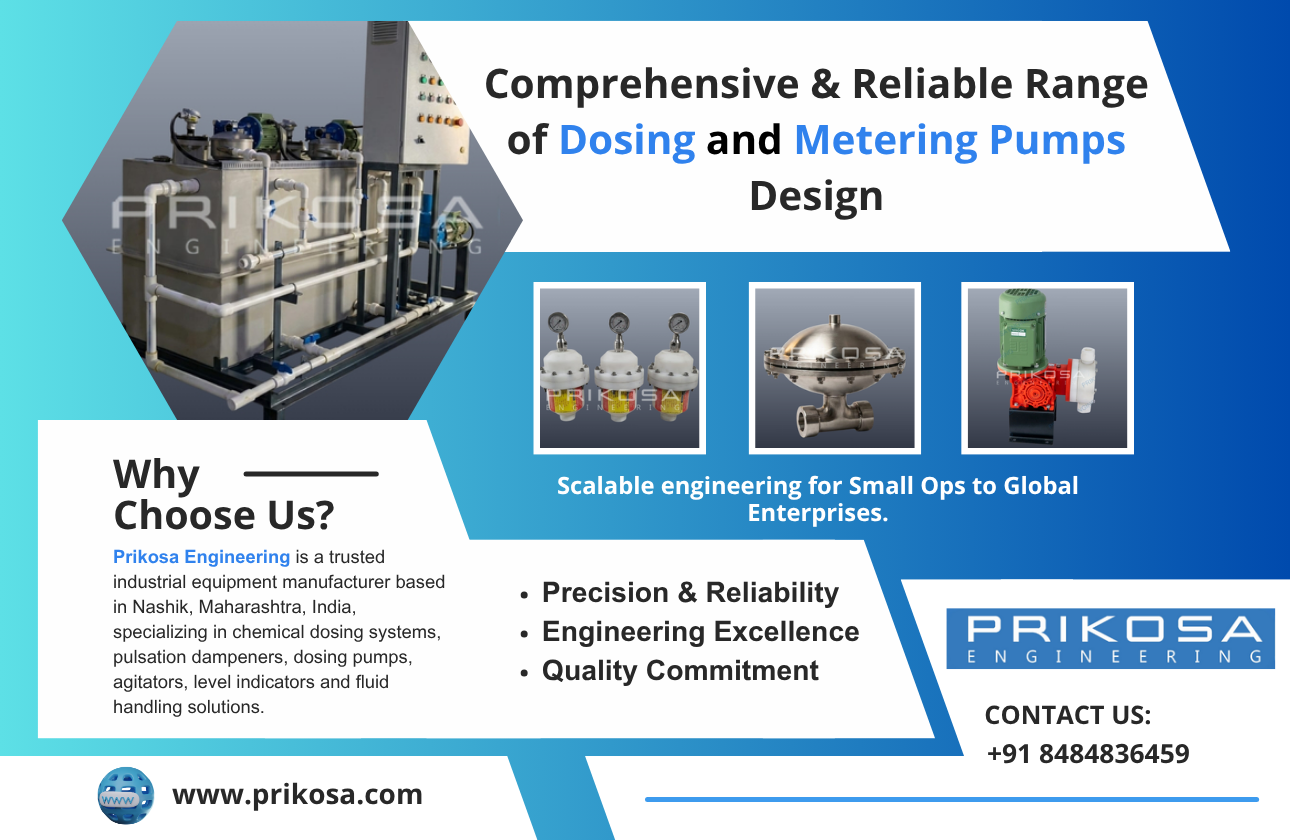
Smart Dosing System: The Basics
Let's begin with the basics of a smart dosing system. This technology is designed to ensure the precise and controlled dispensing of chemicals in various applications. At its core, a smart dosing system uses sensors and advanced algorithms to determine the exact amount of chemical needed for a particular process. As a result, it minimizes wastage and ensures accuracy. This system is increasingly popular in industries where precision is crucial, such as water treatment and pharmaceuticals. By automating dosing tasks, companies can achieve greater efficiency and consistent results.
How Smart Dosing Systems Work
The working principle of smart dosing systems is quite fascinating. They utilize sensors to monitor the chemical levels and environmental conditions in real-time. For instance, in a chemical plant, a smart dosing system can adjust the dosing concentrations based on the water quality, temperature, or other factors being monitored. This adaptability allows industries to respond dynamically to changes without manual intervention, ensuring optimal chemical usage. Access to real-time data enables these systems to make precise adjustments, which is why they are seen as a step forward in industrial process control.
Advantages of Smart Dosing Systems
There are several advantages to adopting a smart dosing system. The primary benefit is improved efficiency. Since these systems utilize sensors and advanced software, they significantly reduce human error. The evolution of smart and automatic dosing systems has heralded a reduction in waste and operational costs. Furthermore, they enhance safety by minimizing direct exposure of workers to hazardous chemicals. Automated alerts and reports also provide operators with insights that help in decision-making and maintenance scheduling.
Automatic Dosing System: An Overview
Automatic dosing systems are another integral part of industrial processes. They provide consistent dosing of chemicals without the need for constant human oversight. In settings like chemical injection skid packages, automatic dosing systems are essential for ensuring processes run seamlessly. The idea here is to streamline operations through automation, which facilitates scaling up production with minimal adjustment efforts. These systems are favored for their ability to operate continuously, maintaining efficiency and reliability.
Key Components of Automatic Dosing Systems
Automatic dosing systems are comprised of several key components. At the heart is a dosing pump, which accurately measures and dispatches chemicals. Then there are control panels equipped with user interfaces for monitoring and adjusting settings. Calibration columns provide reliable measurements of dosing rates, essential for maintaining system accuracy. Additionally, some systems feature pressure reducing valves to ensure safe and efficient operation under varying conditions. Together, these components make automatic dosing systems indispensable for modern industrial applications.
The Role of Automation in Dosing Systems
Automation has revolutionized how we envision dosing systems today. By eliminating human intervention from the equation, these systems ensure reliability and precision. Automation allows industries to mitigate risks associated with human error and process inconsistencies. Systems equipped with smart technology can even adjust sodium flocculant dosing pumps or other equipment in response to real-time analytics and alerts, fostering a responsive, data-driven environment. These enhancements have cemented automated dosing systems as indispensable tools in managing complex industrial processes.
Frequently Asked Questions
1. What is a smart dosing system?
Answer: A smart dosing system is an advanced setup that uses sensors and algorithms to precisely measure and dispense chemicals for various applications. This reduces wastage and enhances efficiency.
2. How are automatic dosing systems different from smart dosing systems?
Answer: Automatic dosing systems follow predetermined settings and operate without real-time adjustments. In contrast, smart dosing systems use real-time data to dynamically adjust dosing rates, offering more precision.
3. What industries benefit most from using dosing systems?
Answer: Industries such as water treatment, pharmaceuticals, and chemical manufacturing benefit greatly from dosing systems due to their need for precision and efficiency in chemical usage.
4. Why is automation important in dosing systems?
Answer: Automation minimizes human error, boosts productivity, and ensures consistency in chemical dispensing, making processes more efficient and less prone to mistakes.
5. Can smart dosing systems help with environmental sustainability?
Answer: Yes, by reducing chemical wastage and optimizing resource usage, smart dosing systems contribute to environmental sustainability and help companies meet eco-friendly goals.