
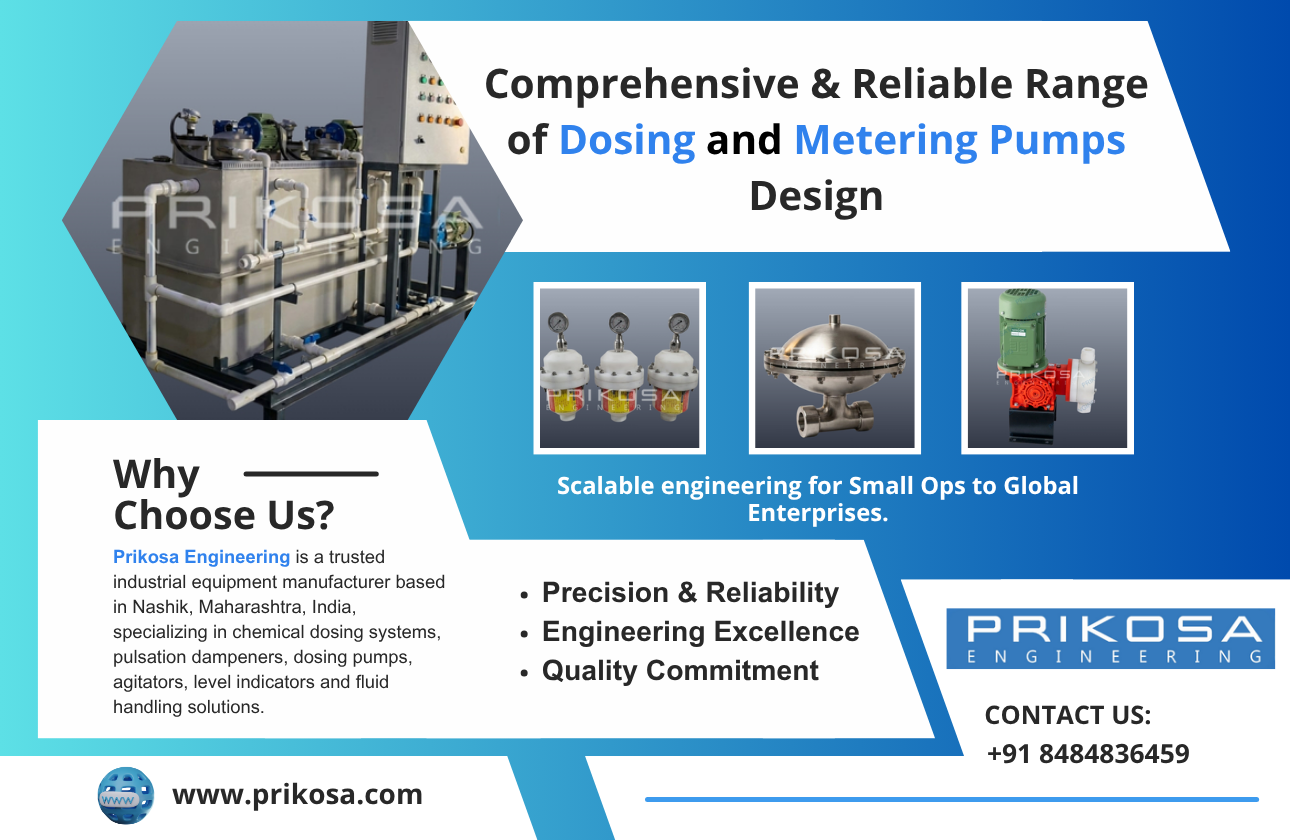
What is an HP Dosing System?
HP dosing systems, or high-pressure dosing systems, are crucial in industries where precision and control in chemical dosing are needed. These systems are typically used in environments where chemicals need to be introduced into the process at high pressures. The benefit of an HP dosing system is its ability to deliver accurate amounts of chemicals under demanding conditions, ensuring a consistent product quality. Such systems are often employed in sectors like water treatment and industrial processing. A precise understanding of chemical dosing systems can significantly enhance their application and effectiveness.
Applications of HP Dosing Systems
The use of HP dosing systems spans various industries and applications. In water treatment plants, they ensure the correct amounts of chemicals are added to treat and purify the water. In the food and beverage industry, they help in accurately maintaining chemical concentrations to comply with health standards. Additionally, HP dosing systems play a pivotal role in chemical manufacturing processes, where precise chemical mixing and direct injection are critical. Understanding automatic flocculant dosing systems can provide additional insights into their working.
Benefits of HP Dosing Systems
One of the primary benefits of HP dosing systems is their ability to handle high pressures, making them versatile for numerous industrial needs. These systems are designed to withstand harsh environments, ensuring longevity and reliability. Furthermore, they offer excellent control over chemical dosing, reducing waste and ensuring environmental compliance. The precision of these systems contributes to cutting down on chemical costs by minimizing overuse. For further insights, exploring the world of chemical dosing systems can be beneficial.
Challenges with HP Dosing Systems
Despite their advantages, HP dosing systems come with challenges. High-pressure environments require robust maintenance practices to prevent leaks or malfunctions. Regular inspection and calibration are crucial to sustain their efficiency. Moreover, the installation costs of these systems can be higher than other dosing systems, but the long-term benefits often outweigh the initial expenditure. For those unfamiliar, gaining a deeper understanding from related fields like alum dosing systems can provide more perspective.
Understanding LP Dosing Systems
LP dosing systems, or low-pressure dosing systems, operate at lower pressure ranges compared to HP systems. They are well-suited for applications where precise dosing is required without the need for high-pressure delivery. LP dosing systems are commonly used in industries such as wastewater treatment, agriculture, and even in domestic settings for water softeners. These systems are generally more economical and easier to maintain, offering a reliable solution for less demanding applications.
Comparing HP and LP Dosing Systems
HP and LP dosing systems each have their unique advantages and applications. HP systems are ideal for high-demand processes that require precision under pressure. In contrast, LP systems are optimal for more simple tasks where high pressure is unnecessary. When choosing between them, consider factors such as the required pressure, the nature of the chemical being used, and the specific industry application. For a broad understanding, the comparison with established systems in articles like chemical dosing skids can be enlightening.
Frequently Asked Questions
1. What industries typically use HP dosing systems?
Answer: HP dosing systems are used across various industries including water treatment, food and beverage, and chemical manufacturing due to their accuracy and ability to operate under high pressure.
2. How does an HP dosing system differ from an LP dosing system?
Answer: The primary difference is the pressure at which they operate. HP dosing systems handle high-pressure environments, whereas LP systems are designed for low-pressure scenarios.
3. What are the maintenance requirements for HP dosing systems?
Answer: HP dosing systems require regular inspection and calibration to ensure they function correctly and do not develop leaks or other faults due to the high-pressure conditions.
4. Are HP dosing systems expensive to install?
Answer: While the initial installation of HP dosing systems can be costly, their precision and efficiency often lead to cost savings in chemical use and maintenance over time.
5. Can LP dosing systems be used in industrial settings?
Answer: Yes, LP dosing systems can be used in industrial settings where low-pressure delivery is sufficient, such as in wastewater treatment or agriculture.