
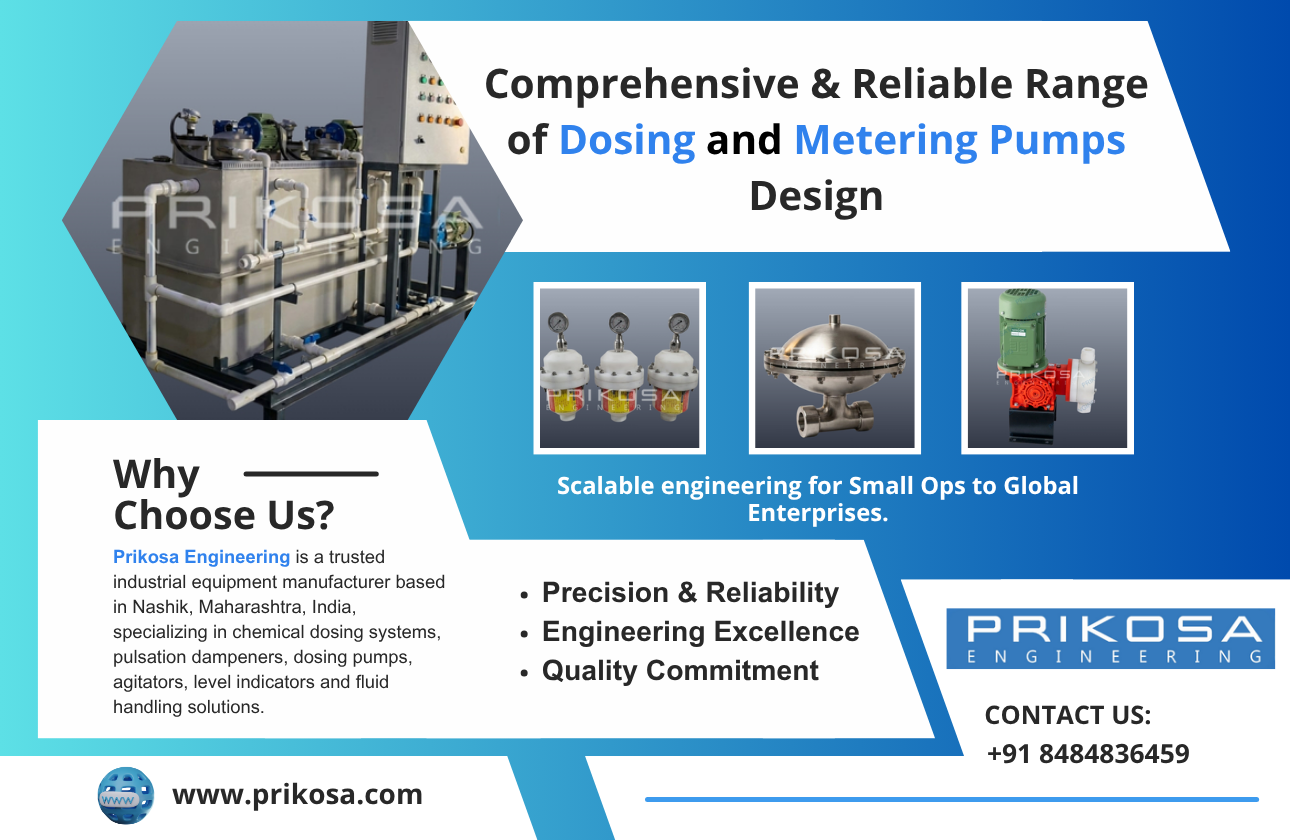
Introduction to Sodium Hypochlorite Dosing Pumps
Sodium hypochlorite dosing pumps are crucial in various industries, especially when it comes to water treatment. These pumps are designed to deliver the right amount of sodium hypochlorite, a chemical compound commonly used for disinfection and bleaching, into a system. The need for precise dosing is critical to ensure that the treatment process is both effective and safe. Inaccurate dosing can lead to subpar results or unwanted chemical reactions.
Why Sodium Hypochlorite is Popular in Water Treatment
The use of sodium hypochlorite in water treatment is widespread due to its high efficiency in killing bacteria and other pathogens. It acts as a strong disinfectant, making it a popular choice for swimming pools, drinking water systems, and even wastewater treatment plants. Its ability to oxidize manganese, iron, and so forth makes it a versatile solution beyond just disinfection. Precision dosing with sodium hypochlorite guarantees that water systems remain safe and free from harmful microorganisms.
Features of Sodium Hypochlorite Dosing Pumps
When choosing a sodium hypochlorite dosing pump, several features need to be considered. These include material compatibility, flow rate, and pressure capacity. For instance, sodium hypochlorite is a corrosive compound, so the pump components must be made from resistant materials like PVC or stainless steel. The pump should also have adjustable flow rates to cater to different system needs without wastage. Ensuring that these features align with your requirements will provide optimal performance and longevity of the pump.
How Sodium Hypochlorite Dosing Pumps Work
The operation of a sodium hypochlorite dosing pump is straightforward yet vital for the treatment process. Typically, the pump draws sodium hypochlorite from a storage tank and injects it into the water system at a predetermined rate. This rate can be adjusted based on the concentration levels needed. Electronic sensors and controllers often accompany these pumps to monitor and adjust the dosage in real-time, ensuring accuracy and reducing manual intervention. This automated approach not only improves efficiency but also decreases the risks associated with handling chemicals manually.
Installation and Maintenance Considerations
Installing and maintaining sodium hypochlorite dosing pumps require careful planning and regular checks. It is essential to position the pump in a location easily accessible for maintenance yet protected from harsh environmental conditions. Regular maintenance checks, such as inspecting seals and gaskets for leaks and ensuring the chemical compatibility of components, can prevent costly downtime. Additionally, routine cleaning helps avoid the buildup of sodium hypochlorite residues, thus maintaining the pump's efficiency.
Common Applications of Sodium Hypochlorite Dosing Pumps
These dosing pumps are indispensable in various sectors. In municipal and industrial water treatment facilities, they play a crucial role in ensuring clean, safe water. In the food and beverage industry, sodium hypochlorite helps maintain hygiene standards by eliminating potential contaminants. Moreover, in cooling towers, these pumps help control biofouling, leading to more efficient cooling processes. Diversified applications demonstrate the adaptability and essential contribution of sodium hypochlorite dosing pumps to safety and efficiency in different industries.
Environment and Safety Aspects
Using sodium hypochlorite involves certain environmental and safety considerations. Proper dosing ensures environmental compliance by minimizing excess chlorine that can lead to harmful by-products in water. Worker safety is another critical factor, and automated pumps significantly reduce direct chemical handling, lowering potential exposure risks. By investing in high-quality dosing pumps with robust safety features, companies can protect their employees while maintaining environmental integrity.
Challenges and Innovations in Dosing Technology
Despite their benefits, sodium hypochlorite dosing pumps face challenges such as chemical decomposition, which can impact efficiency. Manufacturers are continually innovating to address these issues, developing pumps with enhanced materials that resist corrosion and integrating smart technology for accurate dosing. These innovations promise greater control, efficiency, and user-friendliness, making dosing pumps even more effective across all applications.
Conclusion: Choosing the Right Pump for Your Needs
Selecting the right dosing pump involves assessing your specific needs, including the scale of operation, chemical compatibility, and desired precision. Companies like Prikosa offer a range of high-quality pumps optimized for sodium hypochlorite, ensuring long-term reliability and performance. By understanding your requirements and utilizing expert resources, you can make informed decisions, ensuring that your water treatment processes are both effective and efficient.
Frequently Asked Questions
1. What is the main purpose of a sodium hypochlorite dosing pump?
Answer: The primary role of a sodium hypochlorite dosing pump is to deliver a precise amount of sodium hypochlorite into a water system for effective disinfection. It ensures that the chemical is introduced at the correct concentration to achieve desired results without waste or overuse.
2. How does automation improve sodium hypochlorite dosing?
Answer: Automation in dosing pumps enhances precision by allowing for real-time monitoring and adjustments. This technology reduces the dependence on manual operation, thus decreasing the chances of human error, improving both safety and efficiency in chemical handling.
3. Why is chemical resistance important for dosing pumps?
Answer: Chemical resistance is crucial because sodium hypochlorite is a corrosive substance. Pumps made with resistant materials like stainless steel prevent damage and ensure longevity, minimizing maintenance costs and downtime.
4. Can sodium hypochlorite dosing pumps be used in residential settings?
Answer: While primarily used in industrial and municipal applications, smaller versions of sodium hypochlorite dosing pumps can be tailored for residential use, particularly for home water treatment systems to ensure safe and clean drinking water.
5. What are the environmental benefits of using sodium hypochlorite dosing pumps?
Answer: These pumps help maintain safe chlorine levels, reducing harmful by-products and promoting environmentally compliant water treatment processes. Efficient dosing minimizes chemical waste and supports sustainable water management practices.