
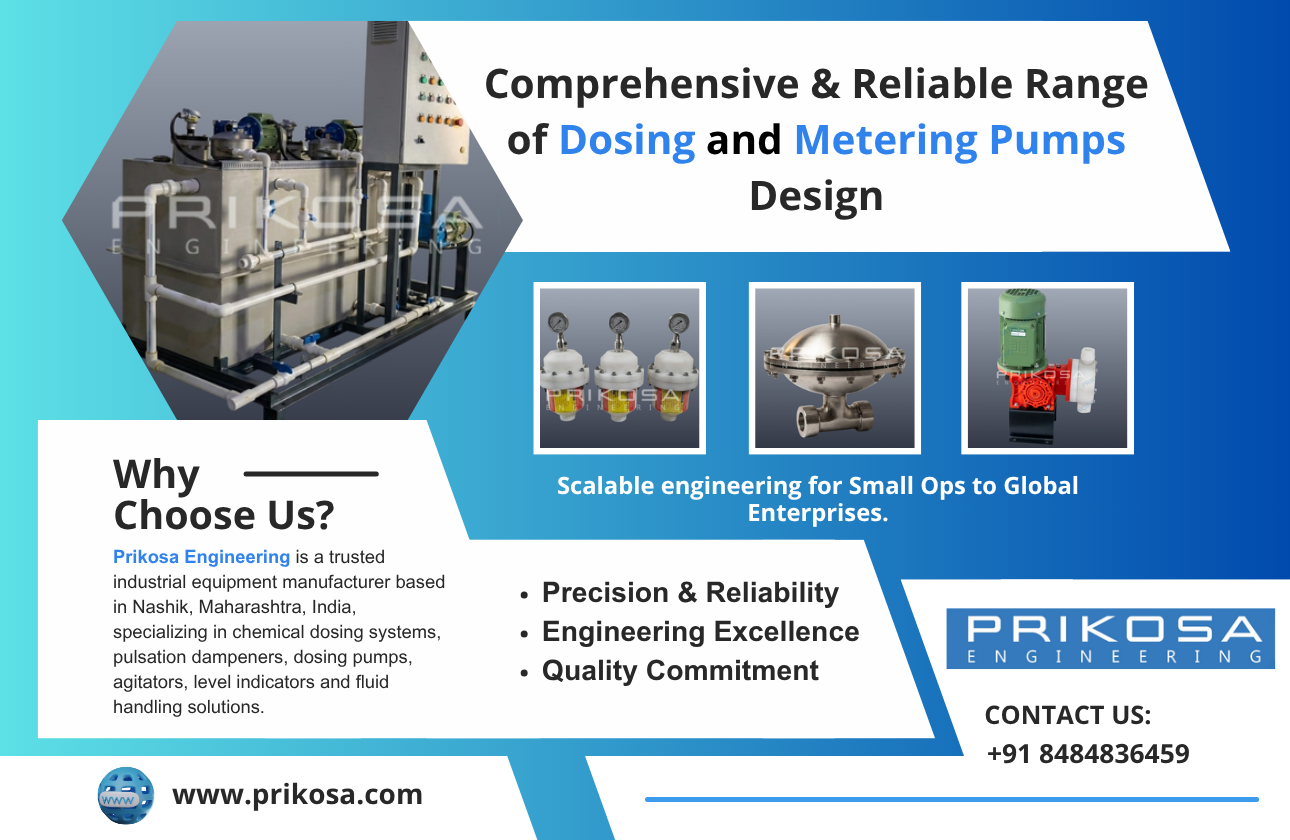
Why Volume Bottle Type Pulsation is Important
Volume bottle type pulsation systems play a vital role in many industries where fluid handling is crucial. These systems are designed to manage and reduce the pulsations caused by pumps like diaphragm pumps in fluid systems. Pulsations can occur due to the fluctuating pressure created by the pumping mechanism, which can lead to inefficiencies and possible damage to the pipelines and products being transported. By using a volume bottle, these systems help maintain a stable flow of liquid, ensuring that the pumping action minimizes pressure variations. This not only enhances the efficiency of the system but also extends the lifespan of pipes and components, reducing maintenance costs. In essence, the primary worth of these pulsation systems lies in their ability to ensure smooth, consistent flow and protect the entire fluid handling process from unwanted disturbances.
The Mechanics of Volume Bottle Type Pulsation Systems
Understanding how volume bottle type pulsation systems work requires a look at their key components. The volume bottle acts as a shock absorber that balances out pressure fluctuations in the system. Typically, when a pump transmits fluid, it doesn't deliver a constant flow. Instead, it sends pulses of liquid. These pulses can cause vibrations, oscillations, and noise, which are undesirable in most operations. A volume bottle is strategically placed within the pipe system to absorb these pulses. As fluid pressure increases, the volume bottle absorbs the excess, then releases it gradually, leveling the flow. This mechanism reduces the stress on other system components, leading to smoother pump operation and enhanced equipment longevity.
Applications of Volume Bottle Type Pulsation Systems
Pulsation systems find applications in numerous industries, thanks to their effectiveness in managing flow irregularities. In the oil and gas sector, these systems are indispensable for keeping pipelines stable as various types of pumps are used to transport oil and gas. Similarly, in water treatment facilities, volume bottle type pulsations are crucial for maintaining consistent flow and pressure, especially during chemical dosing processes. Such systems also have important uses in the food and beverage industry, where liquid handling requires precision and stability to maintain product quality. The use of these systems ensures that there's minimal disruption in processing lines, safeguarding the integrity of the product during transfer and processing.
Choosing the Right Volume Bottle for Your Needs
Selecting the appropriate volume bottle for your pulsation system is pivotal for effective operation. Factors to consider include the size of the pump, flow rate, pressure levels, and the type of fluid being pumped. It's crucial to ensure that the volume bottle you choose is compatible with the specifics of your system. An undersized bottle might not effectively manage pressure fluctuations, while an overly large one could be unnecessary and costlier. Additionally, understanding the type of fluid being handled, whether it's corrosive, viscous, or at a high temperature, is equally important when choosing materials for the volume bottle to ensure compatibility and durability.
Benefits of Implementing Volume Bottle Type Pulsation Systems
The advantages of deploying volume bottle type pulsation systems in your infrastructure are manifold. First, they enhance operational efficiency by ensuring steady fluid movement. This consistency not only improves the performance of pumps but also reduces the wear and tear on connected equipment, lowering repair and replacement costs. Secondly, by smoothing out the flow, these systems help maintain the integrity of transported fluids, which is especially important in industries like food processing and pharmaceuticals, where product consistency and quality are paramount. Lastly, these pulsation systems can contribute to a quieter operational environment as they mitigate the noise often created by pressure surges.
Cost Implications and Long-Term Savings
Though incorporating volume bottle type pulsation systems may initially seem like an added expense, the long-term savings they offer are significant. By reducing the frequency of maintenance and extending the lifespan of costly equipment, these systems prove to be a wise investment. They can drastically reduce downtime, which is often costlier than the preventive solutions themselves. For businesses concerned about budget constraints, any initial investment will revert back in terms of increased efficiency, reduced maintenance needs, and prolonged equipment life, enhancing profitability in the longer run.
Frequently Asked Questions
1. What is a volume bottle type pulsation system?
Answer: A volume bottle type pulsation system is designed to absorb pressure fluctuations in a fluid system, preventing pulsations from affecting the flow. This results in smoother and more efficient operation of pumps and other connected equipment.
2. How do volume bottles reduce pulsations?
Answer: Volume bottles act as shock absorbers. They take in excess pressure during peak flow periods and release it during low flow moments, balancing pressure changes and ensuring a stable fluid flow.
3. In which industries are pulsation systems critical?
Answer: Pulsation systems are crucial in industries such as oil and gas, water treatment, and food and beverage processing, where fluid handling needs stability and precision.
4. What factors should be considered when selecting a volume bottle?
Answer: Considerations include the size and capacity of the volume bottle, compatibility with the fluid type, system pressure, and pump size to ensure it fits the specific requirements of your application.
5. Can a volume bottle type pulsation system improve operational efficiency?
Answer: Yes, by stabilizing fluid flow and reducing equipment wear, these systems enhance overall operational efficiency, minimize maintenance costs, and extend the lifespan of the system components.