
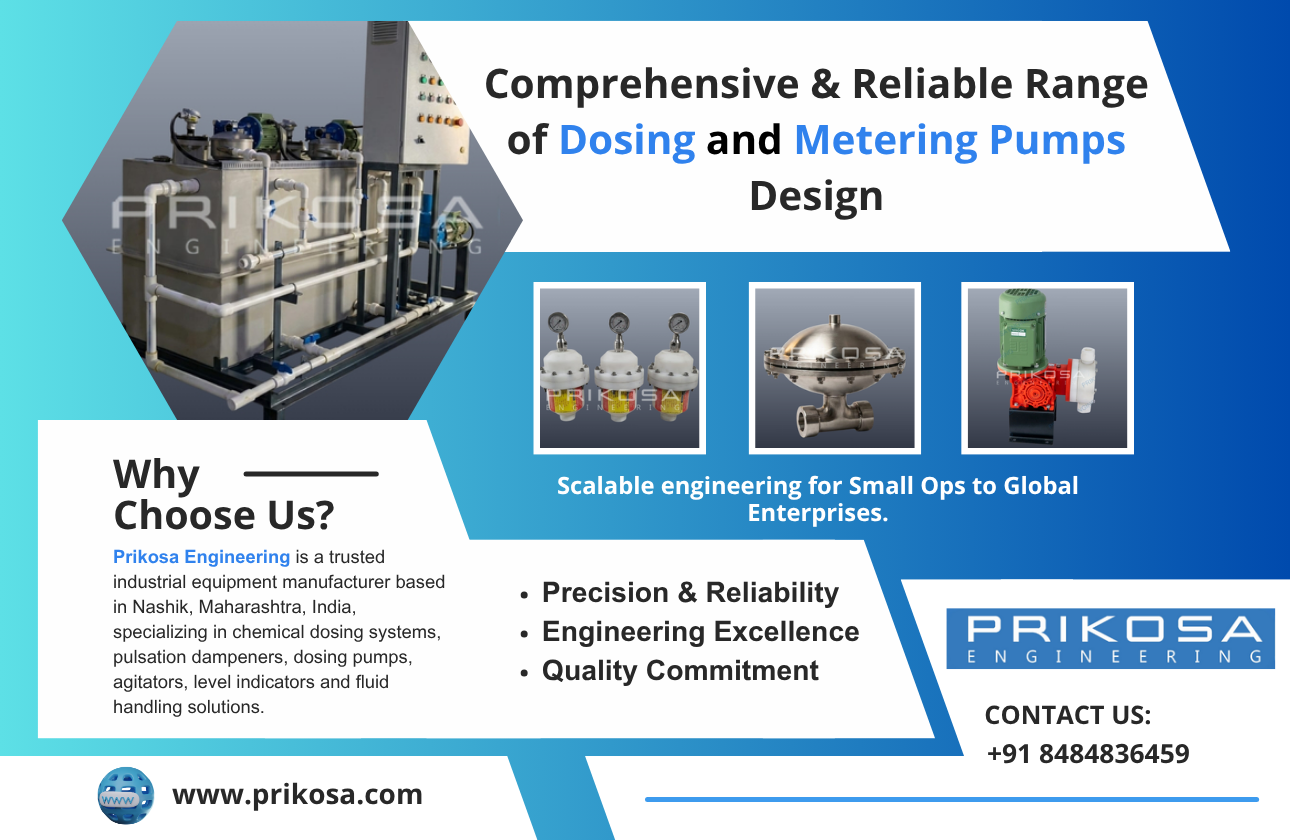
Understanding Plunger Pumps
Plunger pumps are a type of positive displacement pumps known for their high efficiency and ability to handle high-pressure applications. These pumps use a plunger to move fluids through a cylinder, creating suction and discharge. The simple design and robust construction make plunger pumps ideal for handling viscous fluids, slurries, and other challenging substances. They are commonly used in industries such as oil and gas, chemical processing, and water treatment. The key advantage of a plunger pump is its capability to deliver a consistent flow rate despite variations in pressure, which is crucial for precise dosing and metering processes. For more information on dosing systems, check out this guide on mastering polymer dosing systems.
Exploring Plunger Type Metering Dosing Pumps
Plunger type metering dosing pumps are specifically designed to accurately dispense a specific volume of liquid into a system. They are often used where precise metering and mixing are required, such as in water treatment plants and chemical manufacturing facilities. These pumps have adjustable stroke lengths, allowing operators to control the volume output effortlessly. This flexibility ensures that the exact amount of chemical or substance is added at the right time, optimizing the efficiency of industrial processes. A major benefit of these pumps is their reliability and durability, ensuring long service life even under strenuous conditions. Learn more about them by exploring this sodium flocculant dosing pump.
The Role of Hydraulic Type Metering Dosing Pumps
Hydraulic type metering dosing pumps incorporate a hydraulic drive for enhanced power and accuracy. They are favored for applications requiring high precision and reliability. These pumps use a hydraulic fluid to drive the plunger, which enables the system to handle varying pressures without compromising performance. Ideal for chemical dosing, these pumps are often utilized in processing plants and water treatment facilities. The use of hydraulics adds an extra layer of operational control, making it easier to fine-tune the system to meet specific requirements. This makes them a preferred choice for industries where exact flow regulation is crucial. For further reading, consider the essential guide to hydraulic accumulators.
Why Plunger Pumps Are Essential
Plunger pumps play a vital role in various industries due to their efficiency, accuracy, and versatility. In chemical processing, they ensure precise mixing and metering of ingredients. In the oil and gas sector, they are instrumental in drilling operations, ensuring that necessary fluids are delivered under high pressure without interruption. Additionally, water treatment facilities rely on these pumps for injecting chemicals that purify and treat water. The adaptability of plunger pumps to various operational conditions makes them an indispensable tool in ensuring smooth industrial processes. For details on related systems, check this alum dosing system.
Maintaining Plunger Pumps for Longevity
Ensuring a long service life for plunger pumps involves regular maintenance and timely inspections. Operators should routinely check for wear and tear on critical components, such as seals and plunger surfaces, to prevent leaks and ensure optimal performance. It's also essential to follow the manufacturer's guidelines for lubrication and part replacements. By maintaining these pumps properly, you can prevent costly downtime and extend their operational lifespan. Keeping spare parts on hand and conducting regular training for operators can further enhance maintenance efficiency. For insights on chemical dosing systems, explore this guide on understanding chemical dosing systems.
Frequently Asked Questions
1. How does a plunger pump work?
Answer: A plunger pump operates by using a plunger to move fluids through a cylinder. As the plunger retracts, it creates suction that draws fluid into the pump chamber. When the plunger moves forward, it compresses the fluid, causing it to be discharged at high pressure.
2. What are the advantages of using hydraulic type metering dosing pumps?
Answer: Hydraulic type metering dosing pumps offer precise flow control and high reliability under varying pressure conditions. They use a hydraulic drive, allowing for more accurate dosing and increased operational stability.
3. Where are plunger pumps commonly used?
Answer: Plunger pumps are commonly used in oil and gas, chemical processing, water treatment, and industrial manufacturing due to their ability to handle high pressures and deliver constant flow rates.
4. What maintenance is required for plunger pumps?
Answer: Regular maintenance includes checking seals and plungers for wear, ensuring proper lubrication, and following manufacturer guidelines for part replacements to prevent leaks and maintain efficiency.
5. Can plunger pumps handle corrosive fluids?
Answer: Yes, plunger pumps can be constructed with materials like stainless steel and coatings that allow them to handle corrosive fluids effectively, making them suitable for a wide range of industrial applications.