
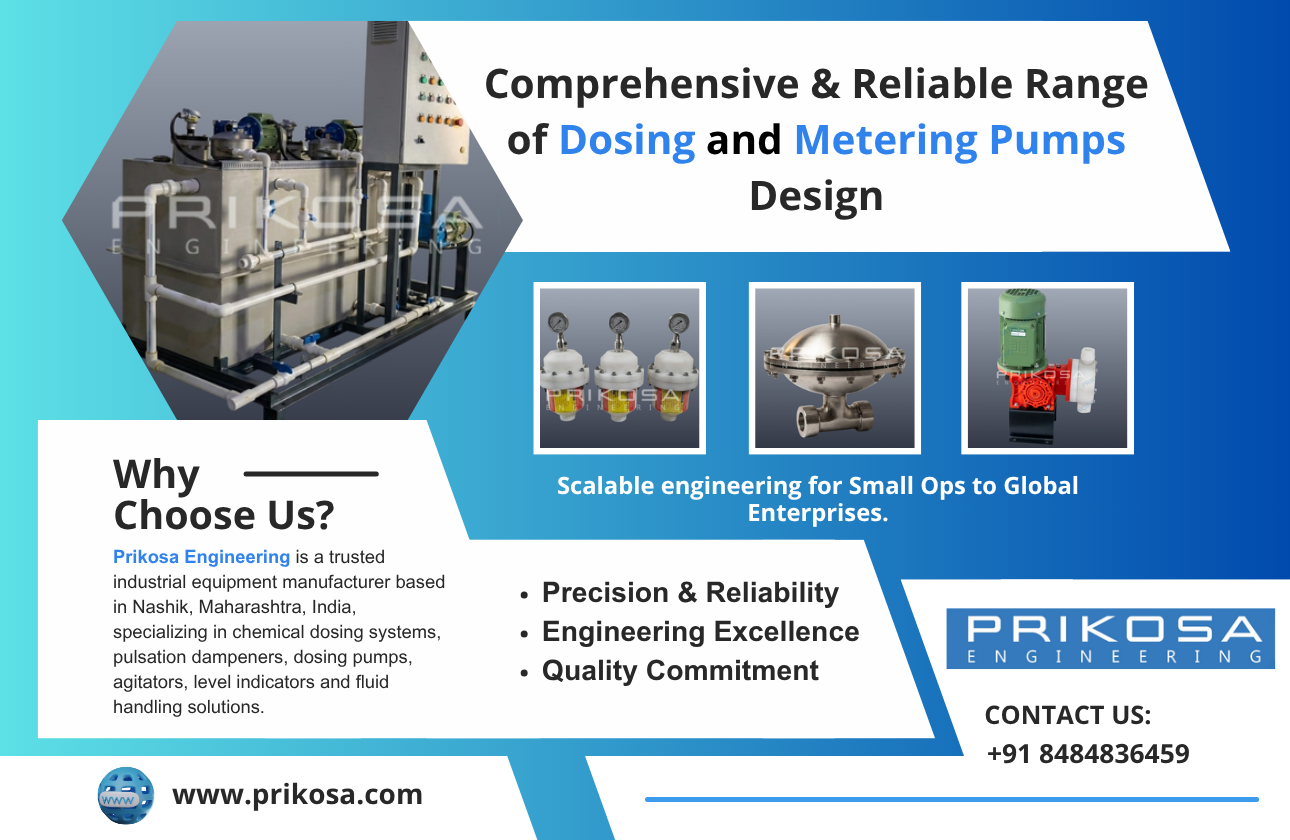
Introduction to Chemical Flocculation System
Chemical flocculation is a vital process in water treatment. It involves using chemicals to aggregate suspended particles in water, allowing them to be removed more easily. This process is crucial for water clarity and safety, and it is used in various applications, from municipal water treatment plants to industrial wastewater management. The chemical flocculation system effectively helps in binding these particles, which are then removed through sedimentation or filtration. It's an important component for maintaining the quality of water and can significantly improve the efficiency of overall water treatment.
Understanding the Basics of Chemical Flocculation System
The chemical flocculation system works by adding flocculants to the water. These are typically chemicals that carry a positive charge. When added to water, they counteract the negative charge of suspended particles such as clay, silt, or organic matter. This charge neutralization causes the particles to clump together, forming larger particles known as flocs. These flocs are much easier to separate from water. You can learn more about the Chemical Flocculation System and its functionality in various applications, ensuring that you grasp the fundamentals of this critical process.
The Role of Chemicals in Chemical Flocculation System
Chemicals used in the flocculation process, often referred to as flocculants, play a key role in the effectiveness of this system. Commonly used flocculants include aluminum sulfate, known as alum, and iron salts. These chemicals help in binding suspended solids into larger aggregates, promoting easier removal. Understanding the role of these chemicals is essential for optimizing the process. The effectiveness of flocculation depends on factors such as the type and dose of the flocculant, water pH, and temperature. For more information on alum usage within such systems, you can refer to the Alum Dosing System for insights on how alum can be effectively incorporated in flocculation setups.
Benefits of Implementing a Chemical Flocculation System
The benefits of a well-implemented chemical flocculation system are numerous. Firstly, it greatly improves the clarity and quality of water, making it safer for human consumption. It's also efficient in removing bacteria and other harmful microorganisms when used with other treatment processes. Additionally, it's environmentally friendly as it aids in recycling water, reducing the demand on fresh water resources. By using chemical flocculation, industries can comply with environmental regulations and ensure their operations are sustainable. This system is essential for any operation looking to improve water quality and meet regulatory standards.
Applications of the Chemical Flocculation System
Chemical flocculation systems are used in various fields. In municipal water treatment plants, they are used to purify drinking water. Industrial facilities also employ these systems for treating wastewater before it's released into the environment. Industries such as paper, pulp, and textile often rely on flocculation to manage waste derived from production processes. Agriculture makes use of flocculation to manage runoff and improve irrigation quality. The versatility of this system makes it an invaluable component across different sectors. Discover more about its range of applications by visiting the Chemical Flocculation System Guide.
Challenges in Chemical Flocculation System
Implementing a chemical flocculation system does come with its challenges. One of the main issues is determining the correct amount of chemicals to use. Overdosing can lead to unnecessary chemical residues and increase costs, while underdosing can result in ineffective treatment. Additionally, mixing and settling times must be properly managed to ensure optimal performance. Ongoing monitoring and adjustment are crucial, which can be resource-intensive. Despite these challenges, advances in technology are providing better tools for monitoring and adjusting the system automatically. Therefore, while challenges exist, they can be effectively managed.
Innovations in Chemical Flocculation Systems
There have been significant advancements in chemical flocculation systems over recent years. Automation and smart dosing systems have transformed traditional methods, allowing for more precise and efficient processes. These innovations reduce the need for constant human intervention and improve accuracy in dosing, which is critical for optimizing system performance. With the addition of real-time monitoring tools, these systems now provide valuable data that can be used to make proactive adjustments. Such innovations highlight the evolving nature of flocculation systems and their increasing role in efficient water management. For more on these advancements, consider checking out information on Automatic Flocculant Dosing Systems.
Frequently Asked Questions
1. What is a Chemical Flocculation System?
Answer: A chemical flocculation system is a process in water treatment where chemicals called flocculants are added to water to help remove suspended particles by causing them to aggregate into larger particles, known as flocs, which can then be easily separated.
2. What chemicals are used in flocculation?
Answer: Commonly used chemicals in flocculation are aluminum sulfate (alum) and iron salts, which help neutralize the charge on particles in water, facilitating their aggregation into larger flocs.
3. How does flocculation improve water quality?
Answer: Flocculation significantly improves water quality by removing suspended particles, reducing turbidity, and making water safer for consumption by also aiding the removal of certain bacteria and other microorganisms.
4. Can chemical flocculation be used in industries?
Answer: Yes, chemical flocculation is widely used in various industries including paper, pulp, textile, and agriculture to manage waste and improve water quality used in processes or discharged into the environment.
5. What advances have been made in flocculation systems?
Answer: Recent advances include the development of automated and smart dosing systems that provide more precise chemical addition and monitoring, greatly enhancing the efficiency and effectiveness of the flocculation process.