
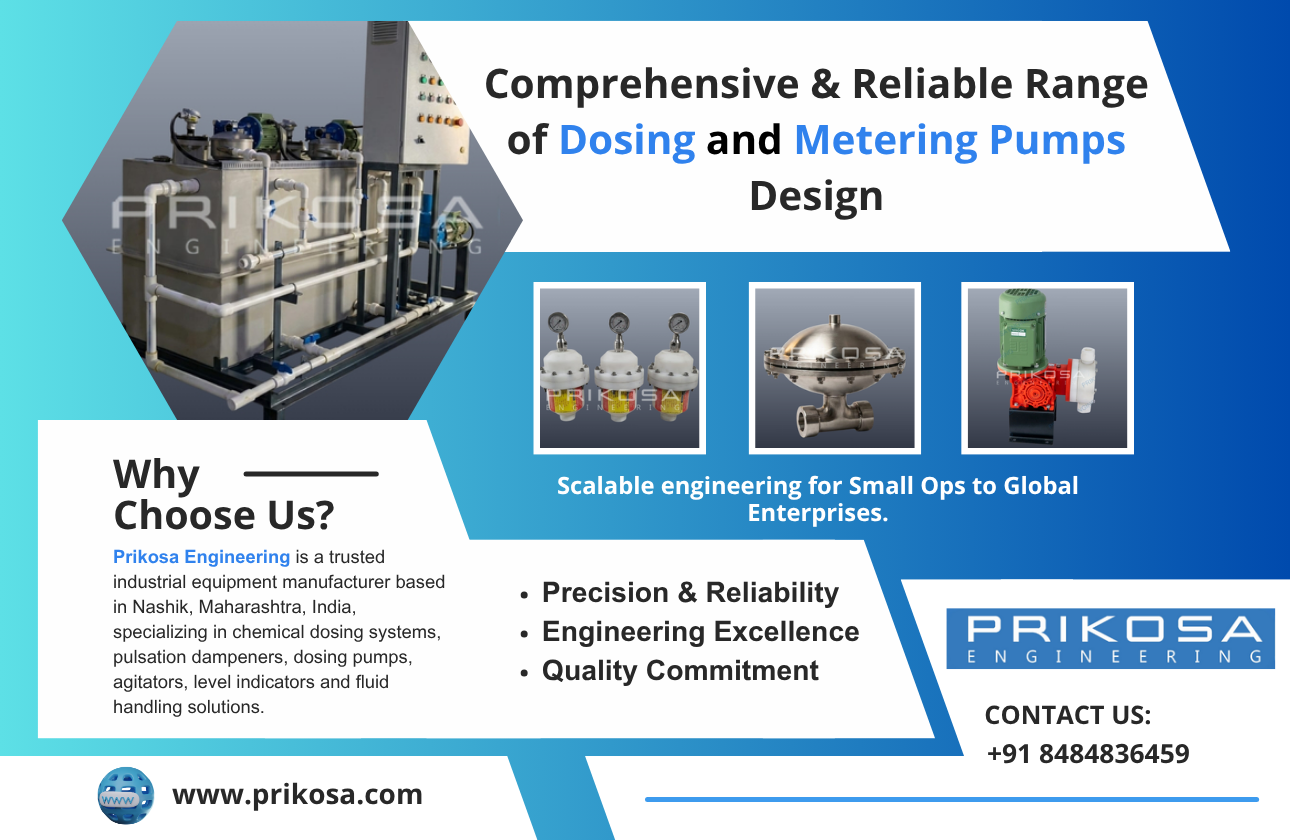
Introduction to Chemical Flocculation Systems
Chemical flocculation is a crucial process in water treatment, helping to remove impurities from water. It involves adding chemicals that cause particles in the water to stick together, forming larger particles called flocs. These flocs can then be easily removed through sedimentation or filtration. Understanding how chemical flocculation systems work is key to maintaining clean water for consumption, agriculture, and industrial uses. This article will delve into each aspect of these systems, offering a clear view of their importance and functionality.
How Chemical Flocculation Systems Work
Chemical flocculation systems operate by introducing specific chemicals, known as flocculants, into the water. These substances cause fine particles to bind together into a larger mass. Commonly used flocculants include aluminum sulfate and ferric chloride. When these chemicals are added, they neutralize the electric charges on suspended particles, making them clump together. The formed flocs are larger and heavier, making them easier to filter out of the water. The flocculation process is a precursor to sedimentation and is crucial for effectively removing contaminants from water.
The Role of Flocculants in Water Treatment
Flocculants play a vital role in water treatment plants. They are essential for coagulation, which is the first step in the chemical flocculation process. The choice of flocculant depends on several factors like the type of water being treated and the specific impurities present. Efficient use of flocculants can improve the clarity and quality of treated water. Additionally, the correct dosage and mixing conditions are critical for the effective performance of flocculation systems. For more insights into these systems, exploring resources like this guide on automatic flocculant dosing systems can be beneficial.
Applications of Chemical Flocculation Systems
Chemical flocculation systems have a wide range of applications. They are extensively used in treating both surface and groundwater to meet quality standards for drinking water. Moreover, they are essential in wastewater treatment processes, where it's vital to remove suspended solids and organic matter. Industries such as paper manufacturing, food processing, and oil refining also utilize flocculation to clean waste streams before discharge. Thus, chemical flocculation systems not only contribute to public health but also play a role in protecting and preserving environmental resources.
Innovations in Chemical Flocculation Technology
Technological advancements have led to significant improvements in chemical flocculation systems. These innovations focus on increasing efficiency, reducing chemical usage, and enhancing overall system sustainability. Some of these advancements include the development of smart dosing systems that automatically adjust flocculant dosage based on real-time water quality assessments. These systems help in optimizing the flocculation process, minimizing waste, and improving the quality of treated water. To learn more about these technologies, you can explore articles like the evolution of smart and automatic dosing systems.
Limitations and Challenges in Flocculation Systems
Despite their effectiveness, chemical flocculation systems face certain limitations and challenges. One major challenge is the management of residual chemicals in treated water, which can affect taste and odor. Another concern is the disposal of sludge produced during the flocculation process. This sludge must be handled carefully to avoid environmental contamination. Additionally, varying water quality necessitates precise adjustment of chemical dosages, requiring well-maintained systems and skilled operators. Addressing these challenges is crucial to ensuring that flocculation systems remain an effective tool in water treatment.
The Environmental Impact of Flocculation
Flocculation systems have a notable impact on the environment. On one hand, they contribute positively by enhancing water quality and aiding in the prevention of water-borne diseases. On the other hand, if not managed properly, the chemicals used in these systems can pose risks to aquatic ecosystems. Managing the environmental footprint of chemical flocculation systems involves careful selection of eco-friendly flocculants and reducing chemical runoff. Effective management can significantly boost the sustainability of flocculation processes, creating a balance between industrial needs and environmental conservation.
Future Prospects for Chemical Flocculation Systems
The future of chemical flocculation systems looks promising, driven by the relentless pursuit of cleaner water and eco-friendly practices. The integration of digital systems with chemical flocculation offers exciting potential for monitoring and optimizing the flocculation process in real-time. These systems are expected to be more adaptive and resource-efficient, capable of handling varying impurities swiftly. Further research is also focused on developing novel flocculants that are both effective and environmentally safe. For more information, resources like understanding the world of chemical dosing skids can provide helpful insights.
Frequently Asked Questions
1. What is chemical flocculation?
Answer: Chemical flocculation is a process where chemicals are added to water to make fine particles clump together into larger flocs, making it easier to filter them out of the water.
2. Why is flocculation important in water treatment?
Answer: Flocculation is crucial because it helps remove impurities from water, ensuring it meets safety and quality standards for consumption and industrial use.
3. What are some common flocculants used in these systems?
Answer: Common flocculants include aluminum sulfate, ferric chloride, and other substances that help neutralize suspended particles' electric charges, facilitating their agglomeration into larger flocs.
4. How do advancements in technology affect flocculation systems?
Answer: Innovations such as smart dosing systems have increased efficiency, reduced chemical use, and improved water quality by allowing real-time adjustments to flocculant dosages based on water conditions.
5. What environmental considerations are associated with flocculation?
Answer: While flocculation significantly improves water quality, improper management of chemicals and sludge can impact ecosystems, requiring careful use of eco-friendly flocculants and minimizing runoff.