
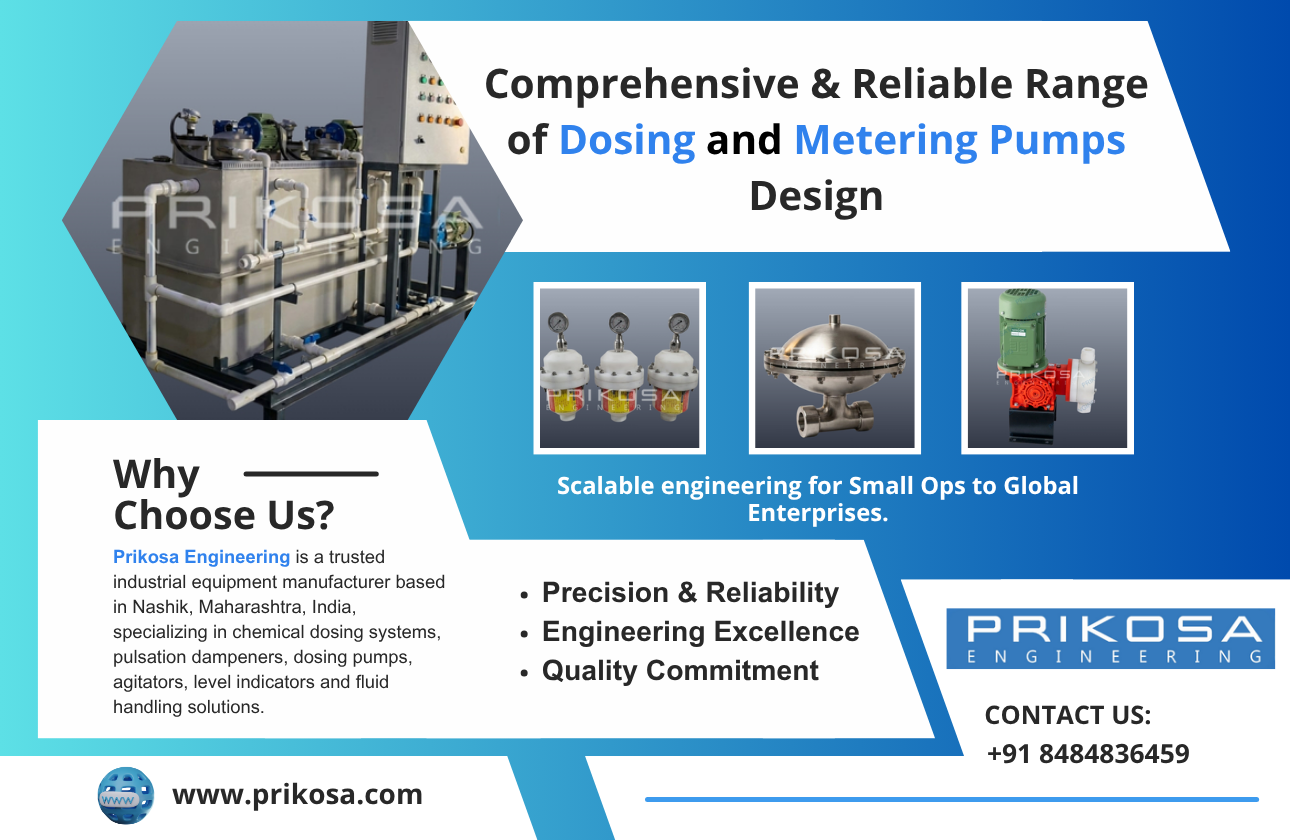
What are Calibration Pots?
Calibration pots, though not a household name, play a crucial role in many industrial settings. They're essentially tools used to measure the flow rate of liquids in a system. Imagine you have a pipeline transporting chemicals, and you need to ensure that the exact amount is being dispensed at any given time. This is where calibration pots come into play, acting as reliable measurement devices to keep operations smooth and efficient. Without them, maintaining precision in processes like chemical dosing would be a massive challenge.
Importance of Calibration Pots
Why are calibration pots important? In industries like water treatment and chemical processing, precise measurements are critical. A slight deviation in the amount of chemical being released can throw an entire process out of balance. Calibration pots help mitigate these risks by providing a method to accurately measure liquid volumes, ensuring that systems can operate effectively and without interruption. This accuracy is not only crucial for operational success but also for maintaining safety standards.
How Calibration Pots Work
The operation of calibration pots may seem technical but it's relatively straightforward. These devices typically include a transparent body marked with measurement gradations. As liquid passes through, operators can track the liquid level against these marks to determine flow rates. Some calibration pots even come equipped with automated systems to log data and adjust settings based on the measurements recorded. This adaptability makes them indispensable, especially in environments where conditions and requirements can change rapidly.
Common Applications for Calibration Pots
Calibration pots find applications in diverse industries. In chemical dosing systems, for instance, they ensure that solutions are administered in precise amounts. Moreover, in industries like water treatment, accurate chemical dosing is critical for maintaining water quality. Industries using high-end equipment such as dosing pumps also benefit from the accuracy calibration pots provide, ensuring machinery functions optimally without chemical wastage.
Benefits of Using Calibration Pots
Calibration pots offer numerous advantages, chief among them being accuracy and reliability. By providing a direct visual indication of flow rates, they eliminate guesswork and reduce the margin of error. This precision helps save resources by minimizing waste and optimizing the use of chemicals. Additionally, calibration pots enhance operational efficiency by allowing quick and straightforward checks of system functionality. Many of them are also compatible with existing chemical dosing systems, making integration smooth.
Choosing the Right Calibration Pot for Your Needs
When selecting a calibration pot, it's vital to consider the specific requirements of your chemical dosing systems. Factors such as material compatibility, measurement range, and whether the pot needs to integrate with automated systems are crucial. Some pots are better suited for handling aggressive chemicals, while others may be ideal for simple water-based solutions. Consulting with experts or manufacturers can help you make an informed choice, ensuring that your calibration pot meets your operational needs effectively.
Maintenance Tips for Calibration Pots
Proper maintenance of calibration pots ensures they function optimally over time. Regular cleaning is essential, particularly after using them with corrosive substances. It's also important to check the measurement gradations for wear, as any fading can affect accuracy. By keeping the pots in good condition, you can ensure that measurement readings remain precise. For more in-depth tips, check out our blog on calibration pots.
Frequently Asked Questions
1. What materials are calibration pots made of?
Answer: Calibration pots are commonly made from transparent materials like glass or specific plastics, allowing users to clearly see the liquid levels. The choice of material often depends on the type of liquid being measured and its chemical properties.
2. How often should calibration pots be inspected?
Answer: It's a good practice to inspect calibration pots regularly, especially before critical operations. Routine checks help ensure there are no damages or discrepancies in measurements that could affect process accuracy.
3. Can calibration pots be used with all chemical types?
Answer: While many calibration pots are versatile, it's essential to check their compatibility with specific chemicals. Harsh or corrosive chemicals might require pots made from specialized materials.
4. Are calibration pots a requirement in all dosing systems?
Answer: Not all systems mandatorily require calibration pots, but using them ensures greater accuracy in dosing processes, thus they are highly recommended across various industries.
5. What happens if a calibration pot fails during operation?
Answer: If a calibration pot fails, it can lead to inaccurate measurements, impacting the entire process. This emphasizes the need for regular maintenance and having spares readily available to minimize downtime.