
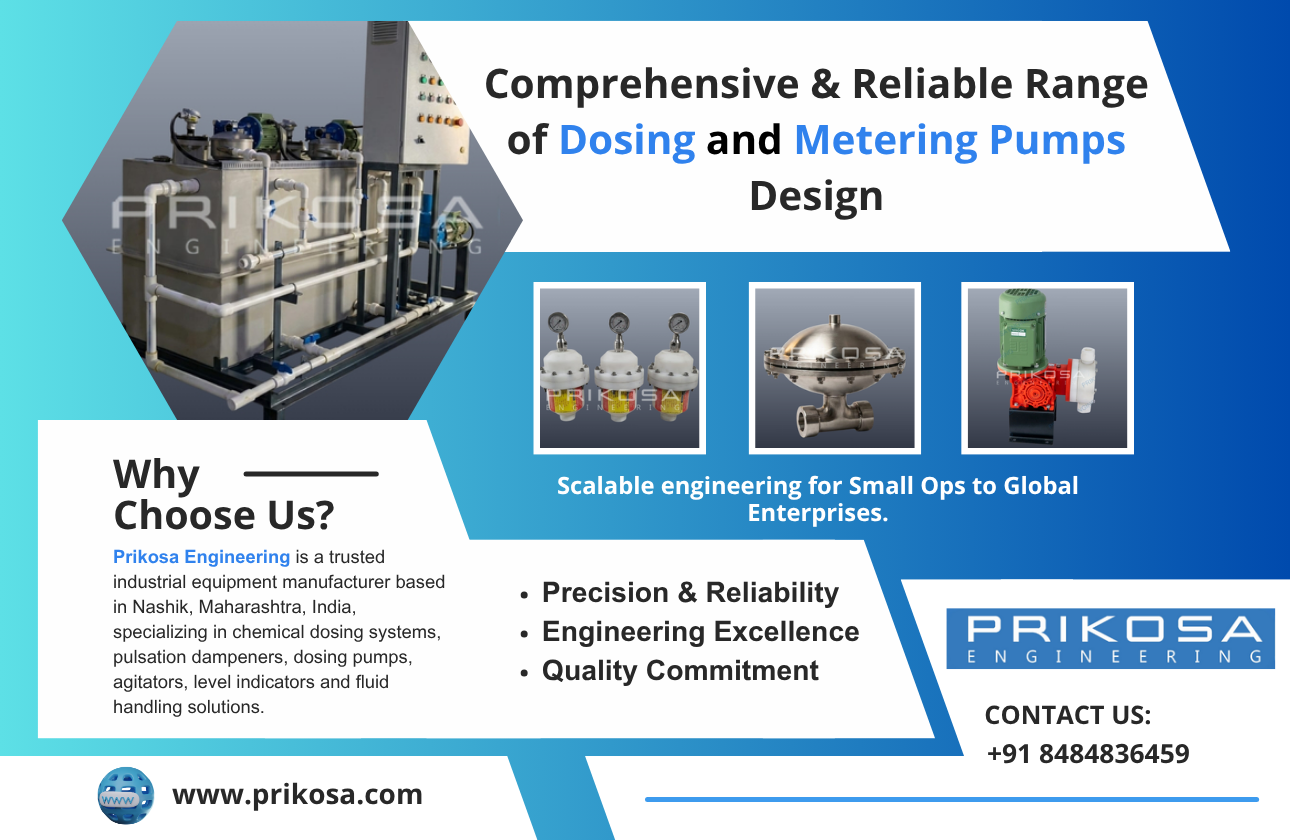
Flocculant Dosing System
Flocculant dosing systems are crucial in many industrial processes especially in water treatment facilities. These systems help in separating solids from liquids. By adding a chemical agent known as a flocculant, the system helps particles clump together forming larger particles or flocs which are easier to remove. This is essential in treating water or wastewater. It ensures that the final product is clean and clear. Flocculant dosing systems are used in various industries like mining, food processing, and pharmaceuticals to ensure environmental safety and compliance with regulations. They make the water treatment process much more efficient and effective.
Importance of Flocculant Dosing System
Having a reliable flocculant dosing system is fundamental in maintaining the quality of water. These systems ensure consistent and accurate injection of the flocculant chemical into the water system leading to optimal results. Without these systems, there might be a risk of either inadequate dosing which leads to ineffective flocculation or overdosing causing chemical wastage and potential environmental harm. Industries rely immensely on flocculant dosing systems to meet regulatory guidelines, thus promoting sustainable water management solutions. Additionally, users benefit from reduced costs in manual labor as these systems automate much of the dosing process.
Components of a Flocculant Dosing System
A typical flocculant dosing system comprises several components designed to work together seamlessly. The key components include dosing pumps, tanks, mixers, and control panels. The dosing pump is responsible for precise delivery of the flocculant into the water system. Tanks store the flocculant, and mixers ensure the chemical is evenly distributed. The control panel acts as the brain of the system, ensuring everything operates smoothly. It's essential to maintain and regularly check each component for assured reliability and efficiency. Integrating advanced technologies in these systems aids in monitoring and adaptability according to varying water treating conditions.
Automatic Flocculant Dosing System
The Automatic Flocculant Dosing System represents a step forward in water management technology, offering a more streamlined and efficient process. Unlike manual systems, automatic dosing systems feature smart sensors and digital interfaces that allow for precision in dosing without constant human intervention. These systems adjust the dosage automatically based on the water quality requirements ensuring consistent performance. This minimizes the risk of human error while optimizing the use of chemical agents. Automatic flocculant dosing systems are ideal for industries aiming to improve operational efficiency and environmental responsibility by reducing chemical waste and ensuring safety standards are met.
Advantages of Automatic Flocculant Dosing System
The main advantage of automatic flocculant dosing systems lies in their ability to deliver precise amounts of flocculant at the right time. This means fewer resources go to waste and better compliance with environmental standards. Effectively designed for large-scale operations, these systems handle high processing volumes effortlessly. Another benefit is their capability to provide continuous real-time monitoring and adjustments. This ensures that the correct floc levels are maintained, resulting in consistently treated water. Profit-wise, industries can save on labor costs since there's less need for manual monitoring and intervention, making these systems a preferred choice among modern industries.
Installation and Maintenance
Setting up a flocculant dosing system requires professional expertise. Ensuring proper installation is vital for its efficient operation. Regular maintenance and checks are equally essential to ensure long-term functionality and as a preventive measure against failures. Regular maintenance involves cleaning, calibrating pumps, and checking tubing for leaks. Employing professionals for these tasks can prevent unnecessary breakdowns and keep the system running optimally. It's also advisable to train staff on handling these systems efficiently to minimize errors and ensure a smooth operation flow.
Frequently Asked Questions
1. How does a flocculant dosing system work?
Answer: A flocculant dosing system works by adding a chemical called flocculant to water to help particles clump together, forming larger particles (flocs) that are easier to remove.
2. What industries benefit from flocculant dosing systems?
Answer: Industries such as water treatment, mining, pharmaceuticals, and food processing benefit significantly from these systems to ensure environmental compliance and process efficiency.
3. Are automatic flocculant dosing systems better than manual ones?
Answer: Yes, automatic systems offer more precision and efficiency, reducing the risk of human error and optimizing chemical usage which is advantageous for large-scale operations.
4. What maintenance is required for a flocculant dosing system?
Answer: Regular cleaning, pump calibration, leak checks, and professional inspections are parts of the maintenance routine to ensure optimal performance.
5. Can I install a flocculant dosing system myself?
Answer: It's best to hire professionals for installation to ensure correct setup and prevent any issues, as well as to meet industry standards and regulations.