
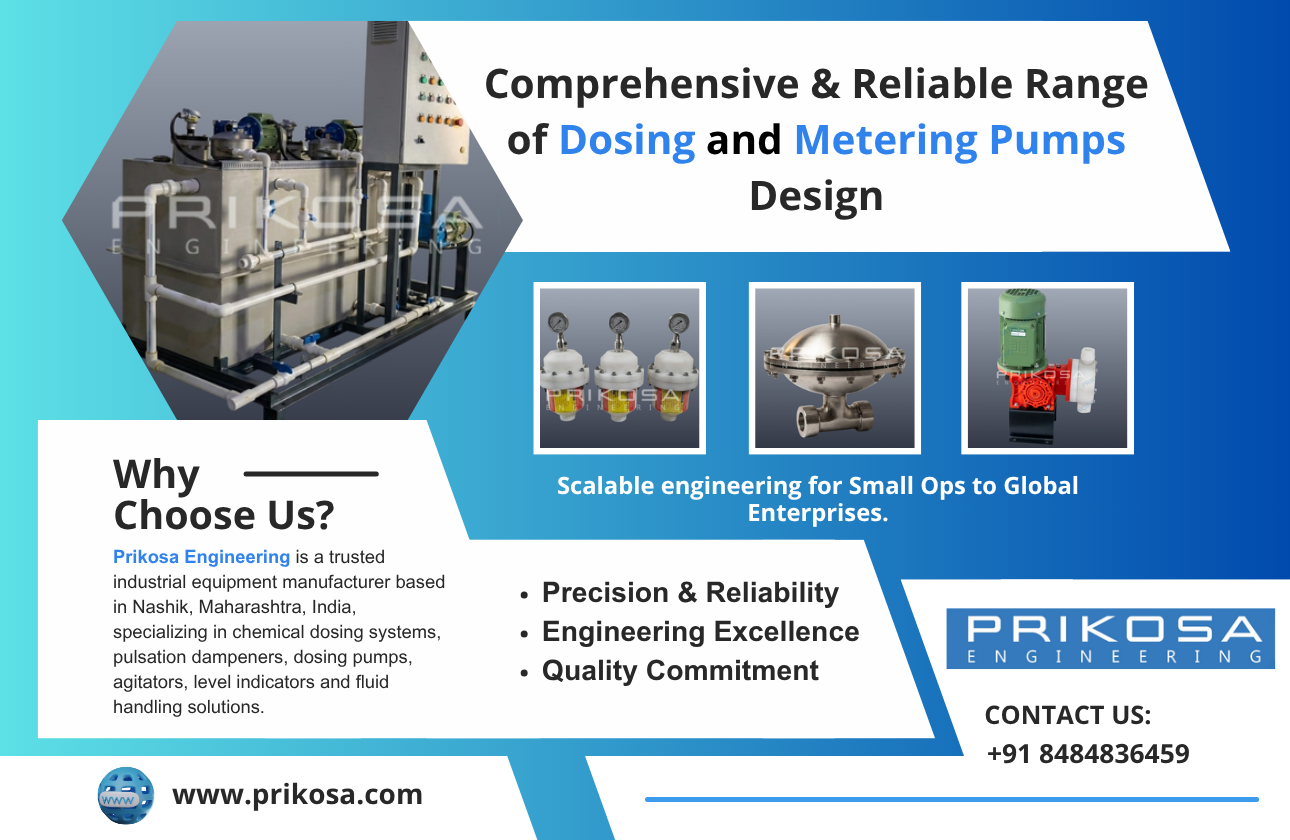
Introduction to Chemical Injection Skid/Package Systems
Chemical injection skid/package systems are essential tools in the oil and gas industry, as well as other industrial settings. They are primarily designed to inject chemicals into a system, ensuring that processes run smoothly and efficiently. These systems are pre-engineered and comprise a variety of components such as pumps, storage tanks, and control systems. Each part plays a crucial role in the proper functioning of the system. For anyone working in industries like petrochemicals or water treatment, understanding these systems is vital for enhancing operational efficiency and safety.
What Are Chemical Injection Skids?
A chemical injection skid is essentially a framework that holds various components used to inject chemicals into a flow line or vessel. It's a compact unit designed with pumps, instruments, piping, and other accessories. These skids are built to withstand harsh environmental conditions and can be customized based on the specific requirements of an industry. They offer a flexible and modular approach, making it easy to modify and scale operations as needed. The ability to deliver precise amounts of chemicals under stringent control makes these systems invaluable for various industrial processes.
The Functionality of Chemical Injection Packages
Chemical injection packages are similar to skids but can offer a more comprehensive solution by including additional features like automation and advanced monitoring systems. These packages are tailored to specific applications, providing either single or multiple injection points depending on the need. The packages ensure consistent chemical dosing, which is critical for maintaining the integrity of pipelines, preventing corrosion, and ensuring water quality. An enhanced system with automation can significantly reduce human error and improve the safety and efficiency of chemical injection processes.
Components of Chemical Injection Skid/Package
Each chemical injection skid/package is composed of several key components. The primary element is the pump, which propels the chemical into the system. There are several types of pumps used, depending on the specific application requirements, such as diaphragm or plunger pumps. Plunger pumps offer high-pressure injection and are popular due to their durability and efficiency. Other components include storage tanks that hold the chemical before injection, filters to remove impurities, flow meters for monitoring, and control systems for operation management. Each of these parts must work in unison for the skid/package to function effectively.
Applications of Chemical Injection Skids
Chemical injection skids are widely used in various industries, including oil and gas, water treatment, and power generation. In oil and gas, they play a critical role in preventing pipeline corrosion and managing the flow of hydrocarbons. In water treatment plants, these systems help adjust the pH levels and disinfect water to meet safety standards. The flexibility of these skids makes them applicable across different sectors, making them a vital tool for industrial processes that require precise chemical dosing.
Benefits of Chemical Injection Packages
One of the main advantages of chemical injection packages is their ability to deliver precise chemical doses in a controlled manner. This precision prevents wastage, optimizes chemical use, and ensures the safety and integrity of the system being treated. Furthermore, these packages are designed for easy installation and are compact, saving valuable space in facilities. Another significant benefit is the enhanced control and automation features available in modern packages, which increase operational efficiency while minimizing the risk of human error. The move towards automated systems also ensures greater reliability and repeatability in chemical dosing operations.
Design Considerations for Chemical Injection Systems
When designing a chemical injection system, several considerations must be taken into account. Firstly, the chemical compatibility with system materials is crucial to prevent corrosion or degradation of components. Secondly, the pressure and temperature conditions required for operation must align with the system's capability. The design must also account for safety measures, including fail-safes and alarms to alert operators of system malfunctions. Lastly, ease of maintenance and accessibility to components for inspection and repairs are important aspects to consider. These factors ensure a reliable, efficient, and long-lasting chemical injection system.
The Role of Automation in Chemical Injection Systems
Automation plays a pivotal role in modern chemical injection systems. It provides numerous advantages, such as increased accuracy in chemical dosing, enhanced safety through real-time monitoring, and reduced dependency on manual operation. Automated systems use intelligent sensors and control systems that offer precise control over the injection process. By integrating automation, industries can not only boost productivity but also significantly cut down on operational costs. Additionally, automation in chemical injection provides valuable data analytics for predictive maintenance, further enhancing the system's reliability and efficiency.
Maintenance of Chemical Injection Skid/Package
Regular maintenance is key to ensuring the longevity and efficiency of chemical injection systems. Components such as pumps, filters, and control systems should be regularly inspected and serviced to prevent any malfunctions. Maintenance activities should also include checking for leaks, verifying system calibrations, and updating software in automated systems. Following a structured maintenance schedule can help in identifying potential issues before they escalate, thus minimizing downtime and repair costs. Emphasizing preventive maintenance leads to more reliable system performance and increases the lifespan of the equipment.
Frequently Asked Questions
1. What is a chemical injection skid/package?
Answer: A chemical injection skid/package is a pre-engineered unit designed to inject chemicals into a system with precision. It usually includes components like pumps, storage tanks, and control systems. These units are used to maintain system integrity and optimize process efficiency.
2. How does a chemical injection skid work?
Answer: The skid works by using a pump to propel chemicals from a storage tank into the process system. It can be controlled manually or through automated systems, depending on the complexity of the operation. Most systems include sensors and control units to ensure precise dosing and maintain safety.
3. What industries use chemical injection skids?
Answer: These systems are widely used in the oil and gas sector, power generation, water treatment, and chemical processing industries. They are essential wherever precise chemical dosing is required to optimize processes and ensure safety.
4. What are the benefits of automation in chemical injection systems?
Answer: Automation offers precision dosing, reduced manual intervention, real-time monitoring, increased operational efficiency, and cost savings. It also provides valuable analytics for predictive maintenance and minimizes human error.
5. Why is maintenance important for chemical injection systems?
Answer: Regular maintenance ensures the system operates efficiently and reliably. It helps in identifying potential issues before they become serious problems, reducing downtime and repair costs, and prolonging the equipment's lifespan.