
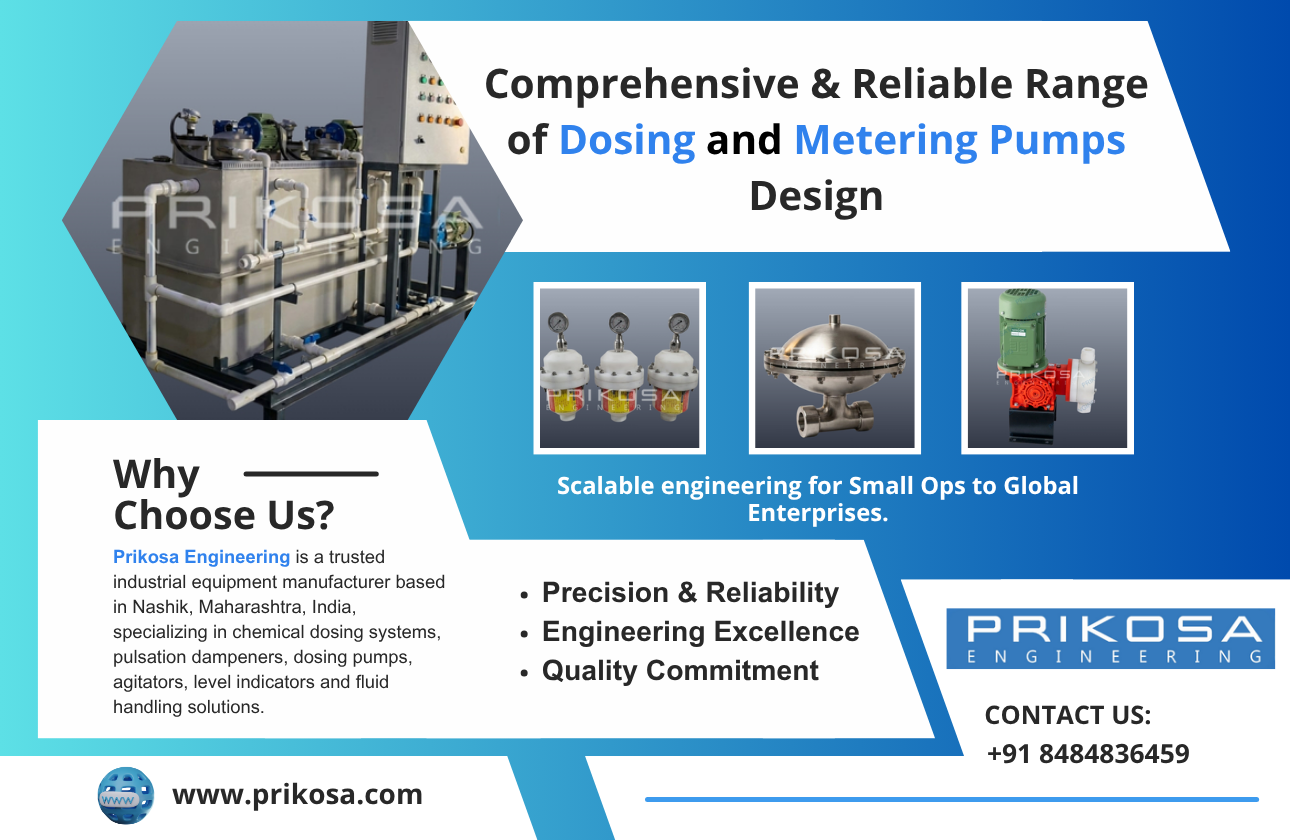
Dosing Pump
A dosing pump is a small fixed displacement pump. It is designed to inject a precise flow rate of chemical or substance into water, gas, or steam. Dosing pumps are often used in industries like agriculture, manufacturing, food processing, and medicine. Their primary function is to make sure the exact amount of liquid is added to ensure proper chemical reactions. This prevents wastage and ensures operational efficiency. For a deeper understanding, you can explore this insight into dosing pumps.
Dosing Pump
The operation of a dosing pump is fairly simple but incredibly precise. It uses a motor to control the movement of a diaphragm. The diaphragm lifts and pushes out the liquid in controlled amounts. What makes dosing pumps so effective is their ability to provide that level of precision. Whether you're working with acids, bases, or any chemical, you can count on these devices to deliver the right amount. Explore more about chemical dosing systems to see how these pumps fit in large setups.
Chemical Dosing Pump
Chemical dosing pumps are specifically designed to handle chemicals. These pumps are built to withstand corrosive or abrasive materials, making them indispensable in chemical processing plants. The materials used in the pump's construction are carefully chosen so that they do not react with the chemicals being pumped. To gain a better understanding of chemical dosing systems, understanding chemical dosing systems will offer further clarity.
Benefits of Using Dosing Pumps
These industrial marvels come with a plethora of benefits. Precision is one of the leading advantages, ensuring that the exact required amount of chemical is used. This contributes to both cost savings and operational efficiency. Furthermore, dosing pumps are versatile and can handle different types of fluids, from viscous liquids to less dense solutions. These attributes make them invaluable across various industries. For a detailed exploration of their applications, consider checking out an exploration into chemical dosing skids.
Types of Dosing Pumps
There are several types of dosing pumps, each catering to specific needs. Common varieties include diaphragm, peristaltic, and piston pumps. Diaphragm pumps are generally used for chemical dosing because they seal tightly, reducing leaks. Peristaltic pumps are used when the liquid needs to be kept separate from the internal parts of the pump. Piston pumps are great for high-pressure situations. Each type offers distinct benefits, making it easier for industries to opt for the perfect match for their requirements. Learn more about flocculant dosing systems to see how different pumps integrate into existing systems.
How Dosing Pumps Work
Dosing pumps are generally powered by an electric motor or air actuator. The operation involves two key phases: suction and discharge. During the suction phase, the pump draws a specific quantity of chemical into the chamber. In the discharge phase, this chemical is pushed out with pressure through the piping system. It's a seamless and continuous operation, making it ideal for handling sensitive and precise industrial processes. To understand the importance of pump calibration, you can check out the role and functionality of calibration columns.
Frequently Asked Questions
1. What is the primary function of a dosing pump?
Answer: A dosing pump's main role is to inject a precise amount of liquid or chemical into another substance like water, gas, or steam. This precision is crucial for proper chemical reactions and maintaining operational efficiencies.
2. Are dosing pumps required in all chemical processes?
Answer: While not all chemical processes require dosing pumps, they are critical in situations where precision dosing is necessary. They ensure accurate chemical delivery, which can enhance product quality and save costs.
3. What are some common industries using dosing pumps?
Answer: Dosing pumps are commonly used in industries such as agriculture, water treatment, food processing, pharmaceuticals, and chemical manufacturing. They help improve process efficiency and precision in these industries.
4. How do I maintain a dosing pump?
Answer: Maintenance involves regular inspections for leaks, checking for any blockages in the plumbing, and ensuring calibration is accurate. Follow the manufacturer’s guidelines for specific maintenance routines.
5. Are there pumps better suited for certain chemicals?
Answer: Yes, different materials used in the pump construction make them suitable for various chemicals. It's essential to match the pump material with the chemical to prevent corrosion or damage. Consult your supplier to ensure compatibility.