
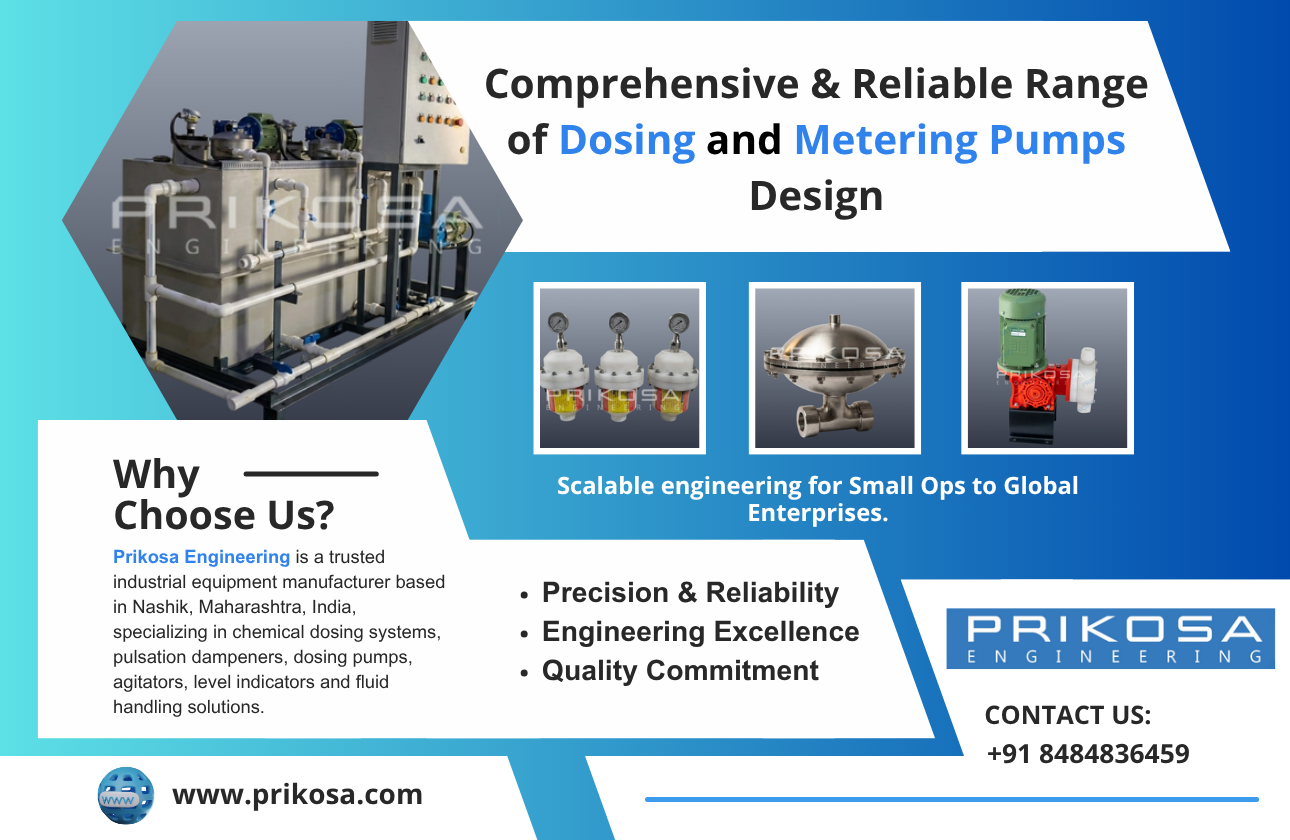
What is a Hydraulic Accumulator?
Let's start with the basics. A hydraulic accumulator is a device that stores energy in the form of fluid under pressure. Imagine it working like a rechargeable battery but for hydraulic systems. It helps balance the energy supply and demand by storing excess hydraulic fluid when it's not needed and releasing it back into the system when demand peaks. This makes hydraulic systems more efficient, reducing energy consumption and wear on machinery. They come in different types, including bladder, piston, and diaphragm accumulators, each serving specific needs based on application and system requirements.
The Functionality of Hydraulic Accumulators
Understanding how a hydraulic accumulator works is crucial for those involved in industries using hydraulic systems. The accumulator consists of a chamber divided by a piston, bladder, or diaphragm. One side is filled with hydraulic fluid, and the other with gas. The pre-pressurized gas compresses as the fluid enters, storing energy. When the system needs extra power, the fluid is pushed out by the expanding gas. This boosts the hydraulic system's response time and efficiency. They're perfect for applications where maintaining pressure and ensuring smooth operation is critical. In short, they act as shock absorbers to prevent system failures.
Types of Hydraulic Accumulators
There are three main types of hydraulic accumulators: bladder, piston, and diaphragm. Each has unique features that make it suitable for different applications. Bladder accumulators have a flexible bladder separating the gas and fluid; they're preferred in mobile and industrial settings due to their fast response time. Piston accumulators have a piston instead of a bladder, offering higher pressure ratings and suitability for applications involving high pressure and low fluid volume. Diaphragm accumulators are cost-effective for low-pressure systems, typically used in smaller hydraulic circuits. Choosing the right type depends on the specific demands of your hydraulic system.
Applications of Hydraulic Accumulators
Hydraulic accumulators are widely used across industries. They are critical in construction machinery, offering improved energy efficiency and shock absorption in mobile equipment. In manufacturing, they stabilize pressure, minimize pulses, and reduce system noise. They're also used in renewable energy setups, such as wind turbines, where accumulators store energy for controlled release during low-wind conditions, thereby optimizing performance. Another important application is in chemical dosing systems, where they ensure precise chemical delivery by maintaining consistent pressure. Accumulators play a vital role in enhancing system stability and performance across various applications.
Hydraulic Accumulator Maintenance
Regular maintenance is key to ensuring the longevity and efficiency of hydraulic accumulators. Begin with routine inspections to check for any signs of wear or damage. Monitoring the gas pre-charge pressure is crucial; it should be within the manufacturer's specified range to ensure optimal performance. Leaks are another area to monitor closely, especially around connections and seals. It's also important to replace worn-out bladders or seals promptly to prevent total failure. Regular maintenance not only extends the life of the accumulator but also ensures the efficiency and reliability of the overall hydraulic system.
Advantages of Using Hydraulic Accumulators
Hydraulic accumulators offer several advantages. First, they provide energy savings by storing surplus hydraulic fluid and using it when the demand increases, thus reducing the need for constantly running pumps. This not only reduces energy costs but also minimizes mechanical wear and tear, prolonging the lifespan of system components. Secondly, they enhance system responsiveness and stability by smoothing out pressure fluctuations. This not only improves operational efficiency but also enhances safety by reducing the risk of sudden failures or system shocks. Overall, these devices contribute to improved system performance and cost savings.
Challenges in Hydraulic Accumulator Usage
While hydraulic accumulators have numerous benefits, they also present some challenges. Properly sizing and selecting the right accumulator for specific applications is critical, requiring a good understanding of hydraulic principles and system needs. Incorrect selection can lead to inefficiencies or mechanical failures. Another challenge is ensuring regular maintenance to avoid leaks and maintain the correct pre-charge pressure. Ignoring maintenance can lead to serious system failures, resulting in costly repairs. Understanding these challenges and addressing them proactively is key to fully leveraging the potential of hydraulic accumulators.
Choosing the Right Hydraulic Accumulator
Selecting the right hydraulic accumulator depends on several factors. First, consider the type of application and the specific requirements like pressure range and fluid volume. Each type of accumulator—bladder, piston, or diaphragm—suits different needs. Another important factor is the material of construction, which should be compatible with the hydraulic fluid and the operating environment. It's also crucial to evaluate the required maintenance level and cost implications. Consulting with experts or manufacturers can provide valuable insights to make an informed decision, ensuring the accumulator fits seamlessly into your hydraulic system.
Frequently Asked Questions
1. What is the main purpose of a hydraulic accumulator?
Answer: A hydraulic accumulator's primary purpose is to store energy in the form of pressurized fluid. This helps balance the supply and demand within a hydraulic system, ensuring stability, efficiency, and responsiveness. They also play a vital role in reducing energy consumption and minimizing equipment wear by compensating for pressure changes and absorbing hydraulic shocks.
2. How do you maintain a hydraulic accumulator?
Answer: Proper maintenance of a hydraulic accumulator involves regular inspections for wear and tear, leaks around connections, and monitoring the gas pre-charge pressure to ensure it remains within the specified range. Replacing worn-out components like bladders or seals promptly is also crucial. Routine maintenance not only extends the lifespan of the accumulator but also enhances the overall efficiency of the hydraulic system.
3. What are the different types of hydraulic accumulators?
Answer: The three main types of hydraulic accumulators are bladder, piston, and diaphragm accumulators. Bladder accumulators are known for their quick response time, piston accumulators handle higher pressures and different volumes, and diaphragm accumulators are ideal for low-pressure systems. The choice depends on the specific application requirements and system preferences.
4. Where are hydraulic accumulators commonly used?
Answer: Hydraulic accumulators are used across various industries, including construction machinery, manufacturing, renewable energy, and chemical processing. They play a crucial role in improving energy efficiency, stabilizing pressure, absorbing shocks, and ensuring precise chemical delivery in these industries, enhancing overall system performance and reliability.
5. What are the challenges associated with using hydraulic accumulators?
Answer: Challenges include the need for proper selection and sizing of accumulators to match application requirements, as well as regular maintenance to avoid inefficiencies and mechanical failures. Incorrect sizing or neglecting maintenance can lead to system disruptions, inefficiencies, or costly repairs if issues are not addressed promptly.