
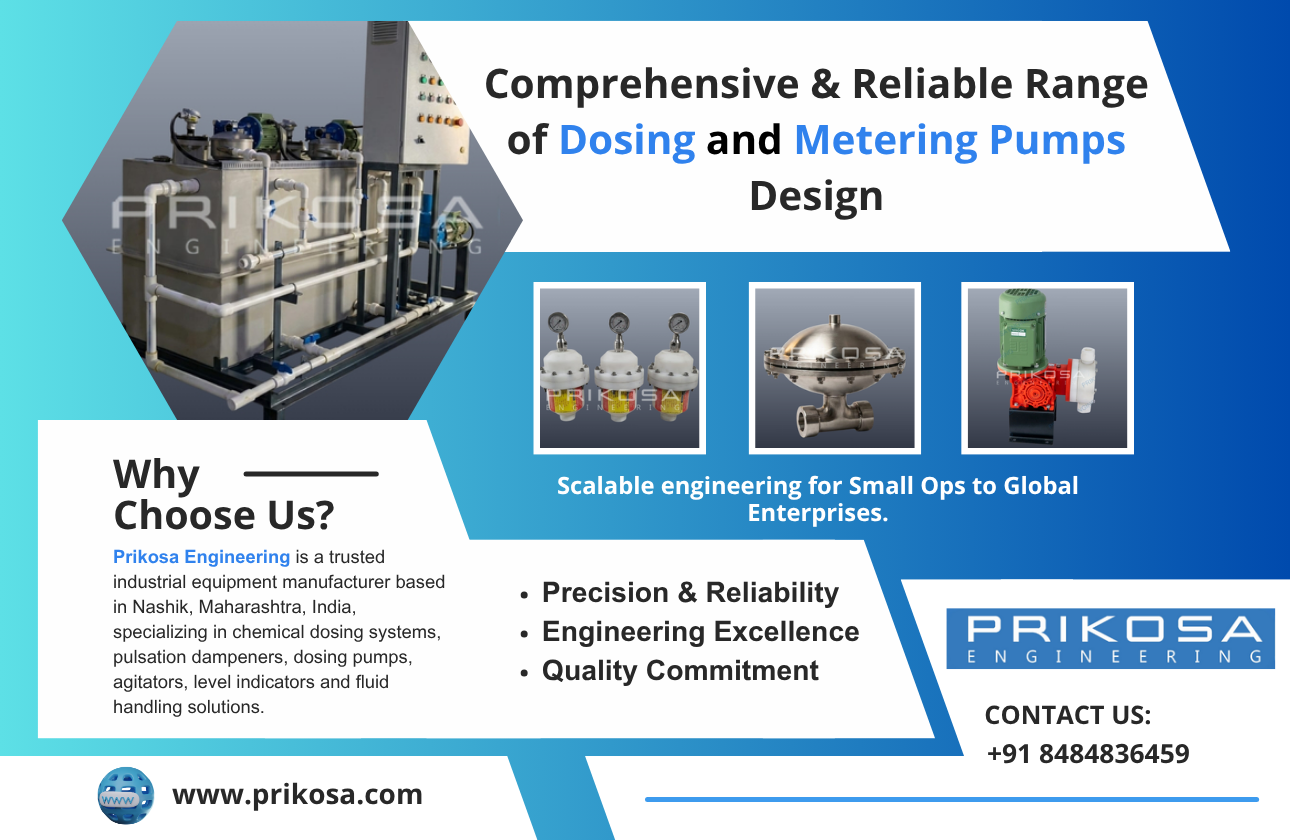
Introduction to Plunger Pumps
Plunger pumps are a type of positive displacement pump commonly used in industries for transferring fluids at high pressure. These pumps are known for their simplicity and efficacy in handling a variety of liquids, including corrosive and viscous substances. Unlike other pumps, plunger pumps use a cylindrical plunger to move the fluid through the pump chamber. This design allows them to achieve high pressure, making them ideal for applications such as oil drilling, water jetting, and more.
How Plunger Pumps Work
The working principle of a plunger pump is straightforward. A plunger slides back and forth in a cylinder, drawing in liquid in one stroke and pushing it out in the next. This action creates high-pressure fluid movement. The robust design not only ensures the durability of the pump but also its efficiency in various applications. For more details on their operation, you can explore plunger pump functionality.
Plunger Type Metering Dosing Pump
Plunger type metering dosing pumps are specialized for precise fluid control. These pumps allow measured amounts of liquid to be dispensed, ensuring accurate chemical dosing or mixing. The precision of these pumps makes them essential in industries where exact fluid measurements are critical, such as pharmaceuticals and food processing. With advancements in technology, dosing pumps have become even more efficient, helping industries maintain quality and safety standards.
Advantages of Plunger Pumps
Using a plunger pump brings numerous advantages, especially in harsh environments. The strong mechanical design ensures minimal wear and tear, resulting in extended pump life. Moreover, the ability to handle varied fluid types with high precision makes these pumps versatile tools. Industries focusing on pumping solutions find plunger pumps indispensable due to their reliability and low maintenance needs.
Hydraulic Type Metering Dosing Pump
Hydraulic type metering dosing pumps use a combination of hydraulics and mechanical pumping systems to deliver accurate dosing. These pumps are highly useful where pressure stability and precise fluid metering are required. They incorporate a hydraulic system to move the plunger, enhancing control and efficiency. Industries, like water treatment, often rely on metering pumps for their robustness and reliability in fluid handling.
Choosing the Right Pump
When choosing a pump for your application, consider factors like the type of fluid, required pressure, and environmental conditions. Chemical dosing systems often include various pump types to meet specific needs. Plunger pumps are favored for high-pressure and precise flow requirements, but always match the pump capabilities with your operational needs for the best results.
Frequently Asked Questions
1. What are plunger pumps used for?
Answer: Plunger pumps are primarily used in applications requiring high-pressure fluid transfer. Common uses include oil and gas extraction, high-pressure cleaning, and industrial chemical processes.
2. How do plunger type metering dosing pumps differ from regular plunger pumps?
Answer: While both types work on similar basic mechanics, metering dosing pumps are designed for precise fluid control and are commonly used in chemical dosing and mixing processes.
3. Are hydraulic type metering dosing pumps energy efficient?
Answer: Yes, they are energy efficient due to their ability to use hydraulic systems to maintain control and precision in fluid delivery, optimizing energy use.
4. How important is maintenance for plunger pumps?
Answer: Regular maintenance is crucial to ensure the longevity and efficiency of plunger pumps, as it helps in preventing wear and tear and ensures smooth operation.
5. Can plunger pumps handle corrosive fluids?
Answer: Yes, plunger pumps are designed to handle a range of fluid types, including corrosive fluids, due to materials used like stainless steel, which resist corrosion.