
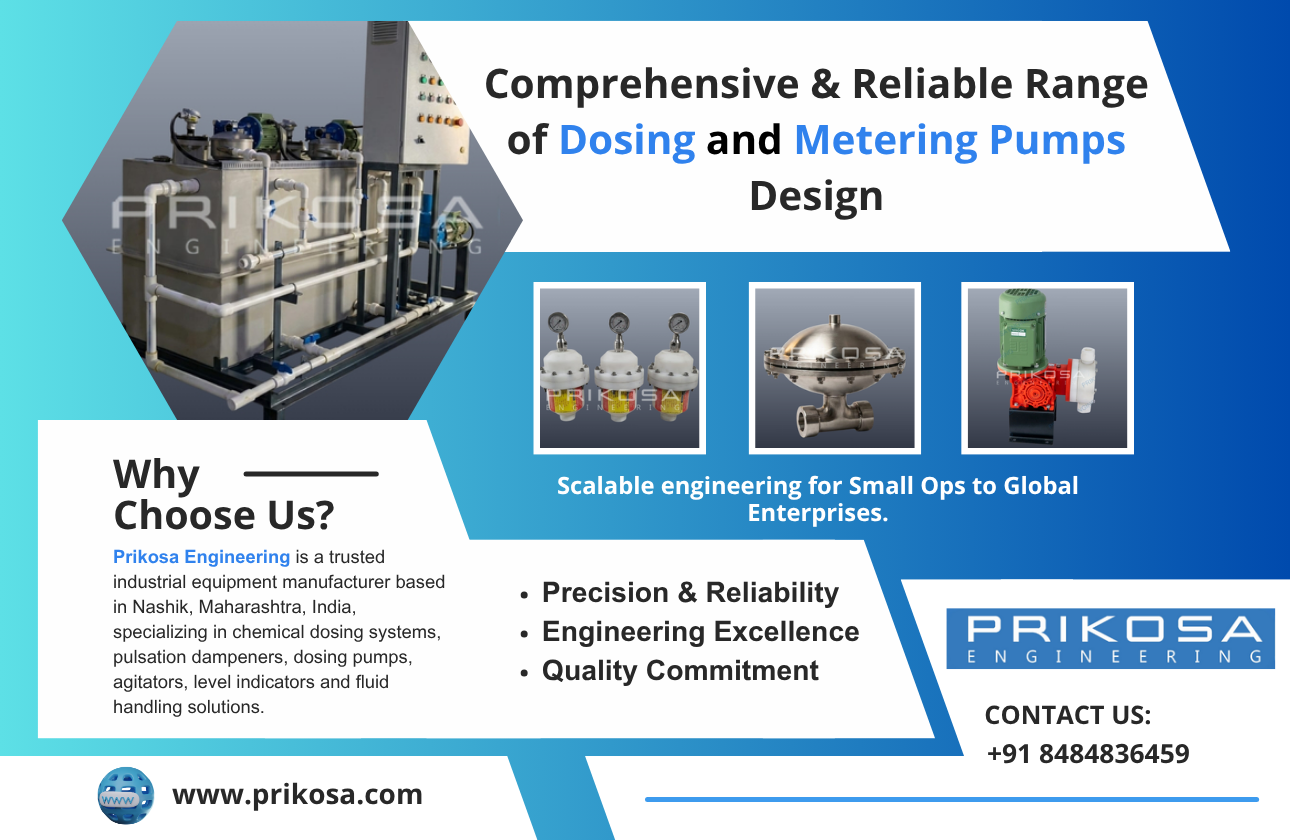
The Basics of Plunger Pumps
Plunger pumps are a type of positive displacement pump that is commonly used across various industries for a range of applications. The main feature of a plunger pump is its high pressure capabilities, making it ideal for moving fluids where force and efficiency are required. The pump operates using a plunger mechanism which moves up and down through a cylinder, creating a pumping action. This type of pump is favored in industries such as oil and gas, chemical processing, and water treatment for its reliability and efficiency. For more in-depth details, feel free to look at this comprehensive look at plunger pumps.
Understanding the Plunger Type Metering Dosing Pump
When precision is key, the plunger type metering dosing pump comes into play. These pumps are designed to provide accurate and adjustable flow rates, which is critical in applications requiring precise dosing of liquids. The plunger type metering dosing pump is essential in chemical, pharmaceutical, and food processing industries where exact amounts of a chemical or substance need to be added. This kind of pump is known for its mechanical simplicity and robustness, ensuring long operational life with minimal maintenance. Explore more about the dosing systems through this article on the role of dosing pumps in various applications.
Hydraulic Type Metering Dosing Pump Explained
Hydraulic type metering dosing pumps are an advanced iteration designed for handling corrosive, volatile, and high-viscosity fluids safely and efficiently. These pumps incorporate a hydraulic system to enhance the pump's performance, offering greater precision and control. They are particularly useful in industries where handling hazardous materials is a routine task. This type of pump is capable of handling both high and low pressure applications with ease. For professionals looking to dive into hydraulic systems, an in-depth look into hydraulic accumulators might be of interest.
The Versatility of Plunger Pumps
The versatility of plunger pumps is what sets them apart in industrial applications. Whether it’s used for high-pressure washing, in car washes, or for feeding chemicals into a process, its adaptability is unmatched. This adaptability allows industries to innovate and implement solutions that meet the specific needs of demanding environments. The sturdy construction and efficient operation ensure minimal downtime and reliable performance, making them a critical component in production lines. To understand the broader context of their use, check out how they fit into chemical dosing skids.
Key Benefits of Plunger Pumps
One of the foremost benefits of using plunger pumps is their high efficiency in moving fluids at high pressures. This is coupled with their ability to handle both thin and viscous fluids, providing a wide range of applications. Maintenance requirements are typically low, thanks to their simple mechanical construction; this can often lead to cost savings over time. Furthermore, the precision that plunger pumps offer makes them an essential tool in industries where the margin of error must be kept to an absolute minimum. For those interested in delving into related systems, there are a number of insights on automatic polydosing systems.
Frequently Asked Questions
1. What industries typically use plunger pumps?
Answer: Plunger pumps are used in various industries such as oil and gas, chemical processing, and water treatment due to their high efficiency and reliability.
2. How do plunger pumps differ from other types of pumps?
Answer: Unlike centrifugal pumps, plunger pumps are positive displacement pumps that can handle high pressures and a variety of fluid viscosities, offering precision and consistency in flow.
3. What makes the plunger type metering dosing pump unique?
Answer: This type of pump is known for providing precise and adjustable flow rates, which is crucial in environments where exact chemical dosing is required.
4. Are there any maintenance tips for plunger pumps?
Answer: Regular inspection and cleaning, ensuring proper sealing and lubrication, and checking for wear and tear on components can help maintain the pump’s efficiency over time.
5. Why choose a hydraulic type metering dosing pump?
Answer: The hydraulic type offers enhanced control and safety, especially when handling hazardous or high-viscosity fluids, making it perfect for challenging operational conditions.