
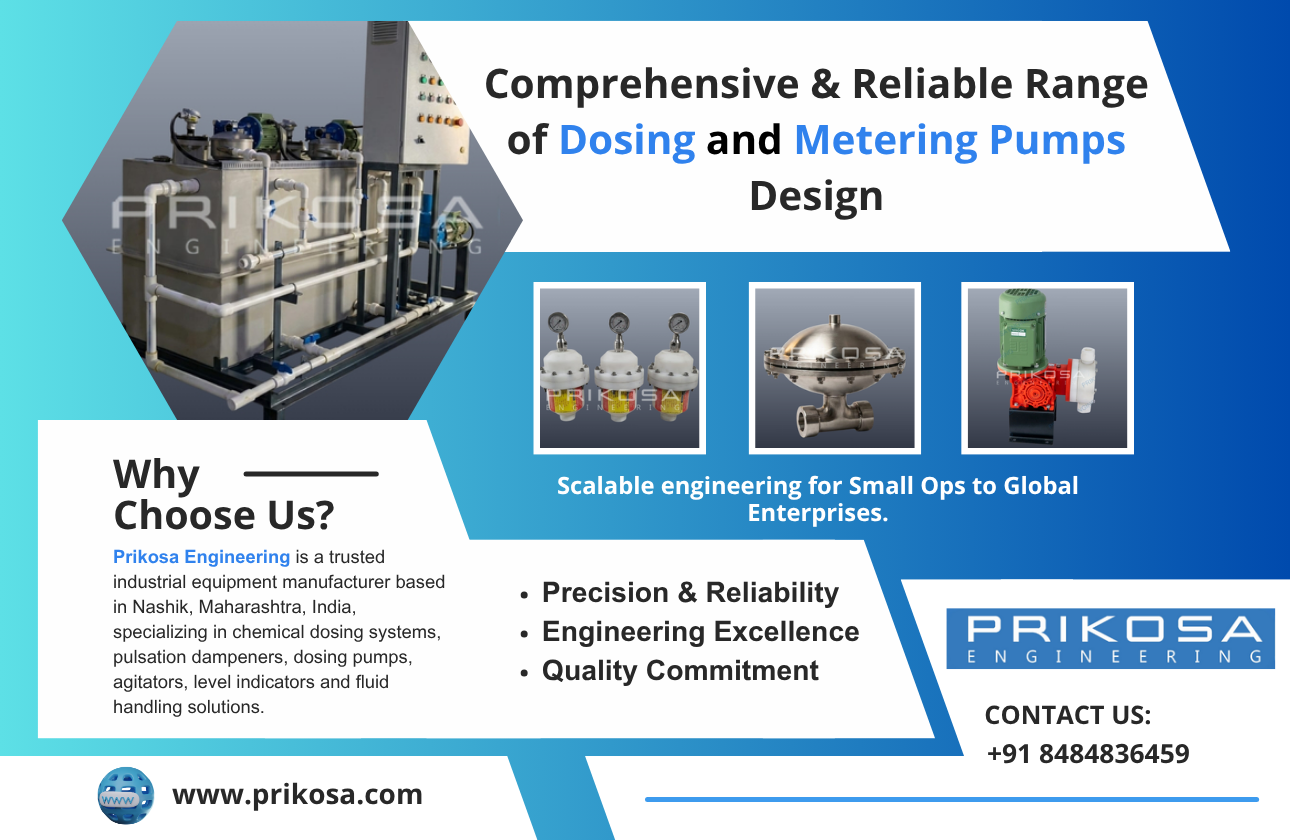
Pulsation Dampener for Dosing Pump
When it comes to enhancing the performance of a dosing pump, a pulsation dampener is an invaluable component. These devices are specifically designed to reduce the pulsations or pressure variations caused by the action of the pump. By evening out the flow and pressure within the system, pulsation dampeners improve the efficiency and reliability of the dosing process. This not only minimizes the wear and tear on the pump and piping but also enhances the accuracy of the dosage being delivered. Essentially, they ensure that the fluid being pumped reaches its destination with almost constant flow, which is crucial in applications where precision is key.
The Role in Fluid Dynamics
Pulsation dampeners play a critical role in fluid dynamics by stabilizing the system. When a dosing pump operates, it can create ripples or fluctuations in the flow due to its reciprocating motion. These fluctuations can be problematic, particularly in sensitive processes where a steady flow is necessary. By integrating a dampener, these ripples are smoothed out, leading to uniform delivery. This not only benefits the immediate application but also reduces potential issues down the line, such as valve wear, noise, and vibration, which can all lead to costly maintenance if left unmanaged.
Pulsation Dampener Functionality
Understanding how a dampener functions is crucial for appreciating its benefits. The device typically includes a chamber filled with a compressible gas, often separated by a diaphragm. When the dosing pump generates pressure surges, these are absorbed by the gas chamber, which compresses and provides a buffer against the surge. As a result, the dampener acts much like a cushion, absorbing shocks and leveling out the pressure. This mechanism is quite straightforward but remarkably effective, making pulsation dampeners indispensable in many industrial and chemical dosing applications.
Dosing Pump Pulsation Dampener
Using a dosing pump pulsation dampener is particularly important in chemical dosing systems. Chemical reactions can be highly sensitive to changes in pressure and flow. The introduction of a dampener ensures that these variables remain constant, leading to more reliable and consistent end results. In industries such as pharmaceuticals, food processing, and water treatment, where precision is non-negotiable, having a dampener is not just beneficial but often essential. It ensures that the entire system remains within specified operational tolerances, thus safeguarding product quality and compliance with regulatory standards.
Choosing the Right Dampener
When selecting a pulsation dampener, several factors should be considered. The type of fluid being pumped, the required flow rate, and the specific application all influence which dampener will be most effective. Additionally, the material compatibility with the fluid is important to prevent any chemical reactions that might compromise the dampener’s integrity. It is also vital to ensure that the dampener is correctly sized to match the pressure and flow of the pump system. By making an informed choice, operators can maximize efficiency and prolong the lifespan of both the dampener and the dosing pump itself.
Maintenance and Care
Proper maintenance is crucial for the longevity of a dosing pump and its pulsation dampener. Regular inspections can help identify leaks or damage to the diaphragm, which, if unattended, can result in significant performance degradation. Ensuring that the gas charge is maintained at optimal levels is also important for effective operation. Many users find that a straightforward preventative maintenance schedule can greatly extend the life of the dampener and by extension, the entire pumping system. This proactive approach not only saves time and money but also minimizes downtime and enhances overall productivity.
Frequently Asked Questions
1. How often should a pulsation dampener be checked?
Answer: It is recommended to inspect a pulsation dampener at least once every six months, though this can vary based on usage and environmental conditions.
2. Can a pulsation dampener be used with any type of fluid?
Answer: While pulsation dampeners are versatile, it’s vital to ensure that the material used is compatible with the fluid to avoid damage or reactions.
3. Is installation of a pulsation dampener complicated?
Answer: The installation process is generally straightforward and can be completed by following the manufacturer’s guidelines. However, professional installation is recommended for complex systems.
4. What signs indicate that a pulsation dampener needs replacement?
Answer: Signs of failure include leaks, reduced flow stability, and unusual noises during operation. Regular maintenance checks can help catch these issues early.
5. Can pulsation dampeners help in reducing energy consumption?
Answer: Yes, by stabilizing flow and pressure, pulsation dampeners can contribute to improved energy efficiency within the system.