
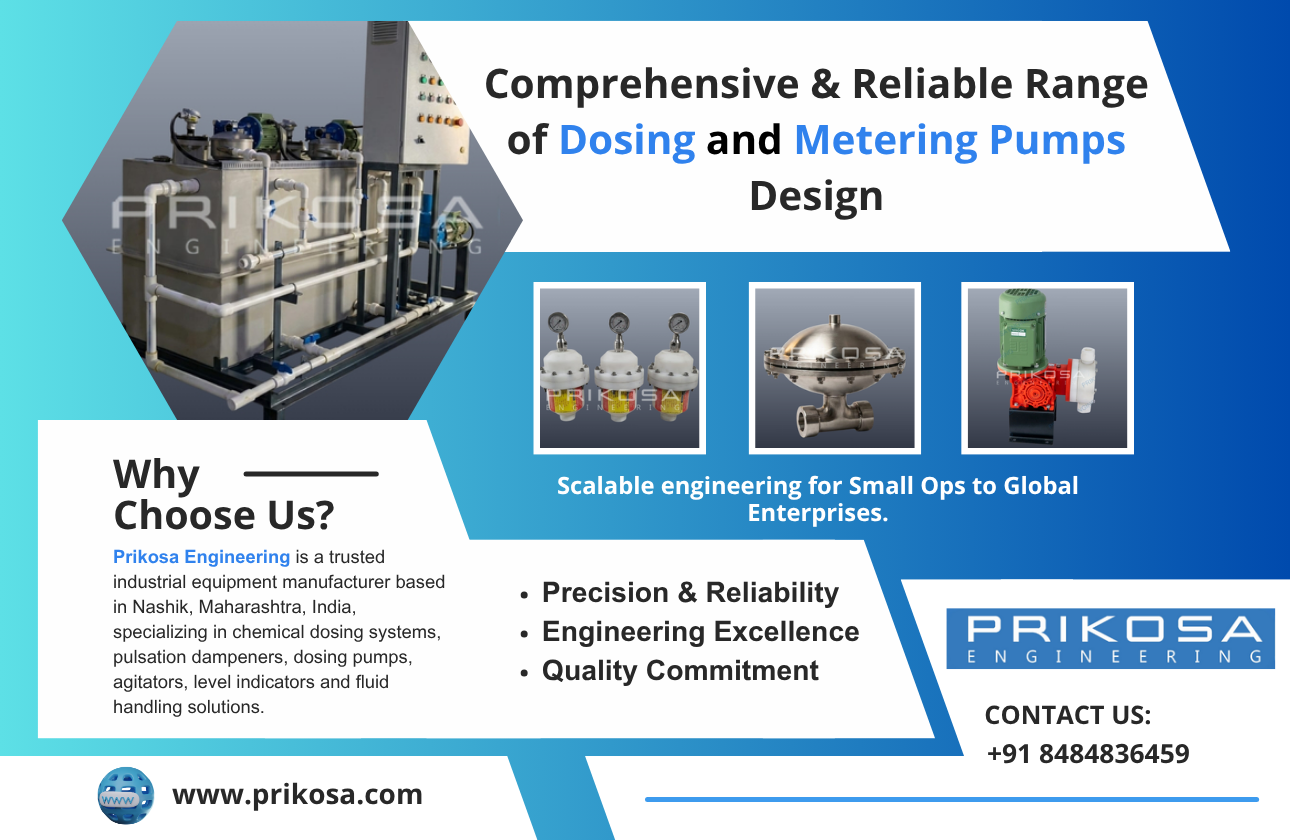
Introduction to Smart Dosing Systems
The evolution of technology has ushered in smarter ways to do everything, and dosing systems are no exception. Smart dosing systems are designed to deliver precise amounts of chemicals, improving efficiency, safety, and environmental sustainability across industries. Unlike traditional systems that may require manual input, smart systems use sensors and algorithms to optimize the dosing process. This technology not only reduces the margin of error but also enhances the overall performance of industrial operations.
Smart Dosing System: What It Is
A smart dosing system combines advanced computing with state-of-the-art sensors to monitor and control the chemical dosing process. It's used extensively in water treatment plants, food processing, and chemical manufacturing, among other fields. These systems are designed to adjust dosing levels in real-time, ensuring accuracy and reducing waste. Thanks to their precise nature, they play a critical role in maintaining product quality and safety.
Benefits of Using Smart Dosing Systems
One major advantage of smart dosing systems is their efficiency. By automating the dosing process, they reduce manual labor and the potential for human error. This leads to cost savings and improved safety in the workplace. Moreover, by minimizing chemical waste, they are also an environmentally friendly solution that supports sustainability goals. Companies adopting smart dosing systems often see improved regulatory compliance, thanks to the system's capacity for detailed record-keeping and reporting.
Automatic Dosing Systems: An Overview
While talk often centers on smart dosing systems, it's equally important to recognize the capabilities of automatic dosing systems. These systems are programmable machines set to deliver specific quantities of a substance at prescribed intervals. Though less advanced than their smart counterparts, they are highly reliable and require minimal human intervention, streamlining operations across various sectors.
How Automatic Dosing Systems Work
Automatic dosing systems use basic sensors and timers to dispense precise amounts of chemicals. Once programmed, these systems work autonomously, ensuring the right balance of substances is maintained. Their reliability makes them suitable for processes where consistency is essential, like in municipal water treatment facilities and large-scale manufacturing plants.
Integrating Smart Technology into Automatic Dosing Systems
Combining the strengths of both systems creates a more flexible and advanced dosing solution. By upgrading automatic systems with smart technology, businesses can transition from simple automation to more intelligent, responsive processes. This hybrid approach allows companies to specifically tailor their dosing requirements, adapting to changes in real-time and further boosting productivity and quality control.
Conclusion: The Future of Smart Dosing Systems
As industries continue to modernize, smart dosing systems represent a significant leap forward in operational efficiency and environmental stewardship. The ability to automate and optimize chemical dosing ensures not only better resource management but also contributes to a safer and more sustainable world. Investing in such technology could mean saving money, time, and reducing the ecological footprint, making it a smart choice for any industry looking to stay ahead of the curve.
Frequently Asked Questions
1. What is a smart dosing system?
Answer: A smart dosing system is an electronic setup that uses sensors and computerized controls to automate the dosing of substances. It ensures precision and efficiency, often used in industries such as water treatment and chemical manufacturing.
2. How does an automatic dosing system differ from a smart dosing system?
Answer: While both systems automate dosing, an automatic system operates on pre-set parameters, while a smart system adjusts dosages in real-time using sensors and data analysis for optimal performance.
3. What are the benefits of using a smart dosing system?
Answer: The primary benefits include increased precision, reduced waste, cost savings, enhanced safety, and better compliance with regulatory standards due to its ability to keep detailed records.
4. Can smart dosing systems be used in all industries?
Answer: While they are versatile and applicable in many sectors, industries that require precise chemical handling, like water treatment, food processing, and pharmaceuticals, gain the most from these systems.
5. How can automatic systems be upgraded to smart systems?
Answer: Integration typically involves adding sensors and linking the system to advanced software capable of real-time data analysis and decision-making, enhancing its functionality and adaptability.