
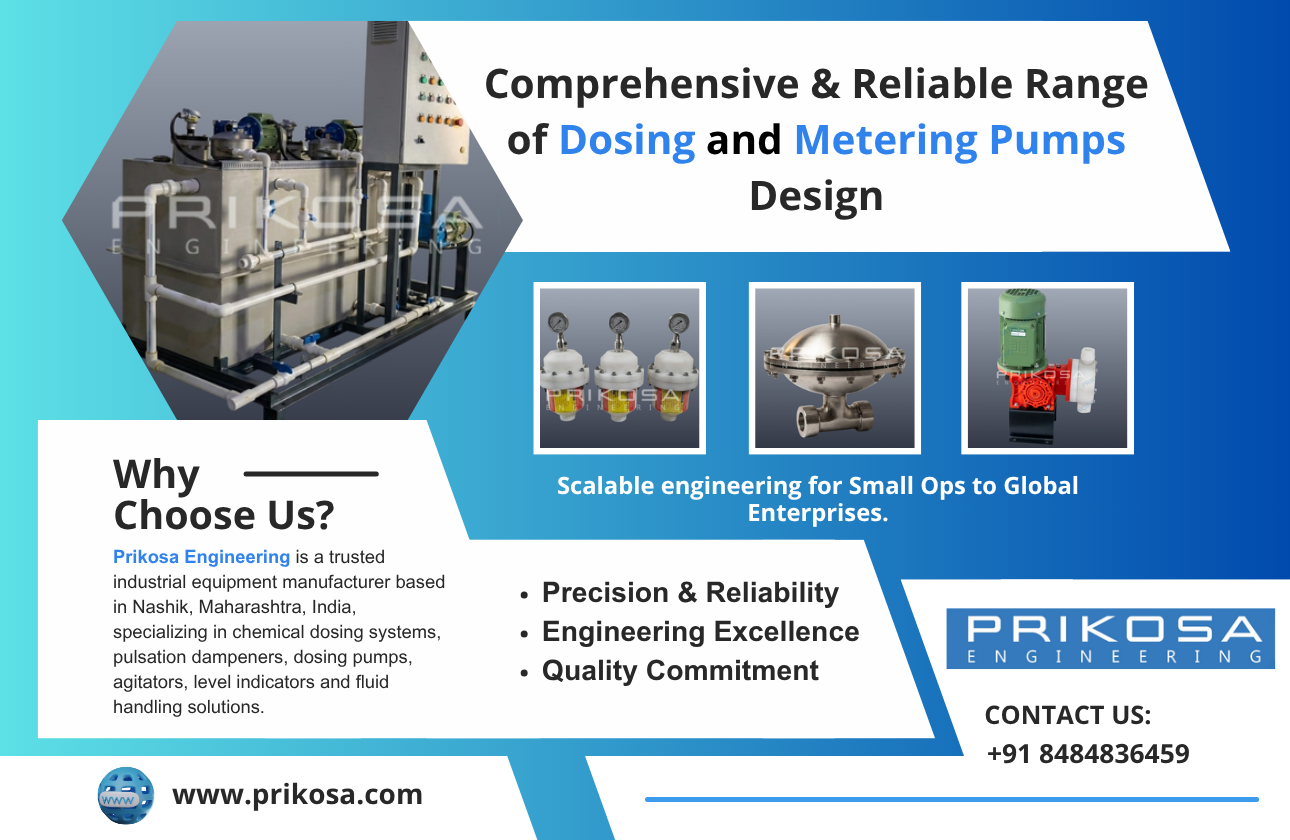
What is a Chemical Flocculation System?
Chemical flocculation systems are an integral part of water and wastewater treatment processes. Let's break it down in simple terms. Flocculation is a process that helps remove solids from liquids. In the context of water treatment, it involves adding chemicals to the water that bind particles together, forming larger clumps known as flocs. This system is vital because it enhances the clarity and purity of water, making it safe for consumption or further use. The chemicals used in flocculation help coagulate small particles, which makes it easier for them to settle out of the water. Once the particles clump together, they can be removed more efficiently. This system is a key component in making water safe for drinking, irrigation, or industrial use.
How Does Chemical Flocculation Work?
Chemical flocculation systems work through a series of well-orchestrated steps. First, a coagulant is introduced into the water. Coagulants are chemicals designed to neutralize the charge of suspended particles in the water, which are usually negatively charged, leading to the formation of clumps. These particles were initially repelling each other due to their charges. Once the charge is neutralized, the particles can cluster together, forming larger particles or flocs. Following coagulation, a flocculant, which is another type of chemical, is added to the mixture. This encourages the particles to bond and form even bigger clumps. The water is usually stirred gently to encourage these bonds without breaking up the flocs. The process ensures that the resulting flocs are large enough to settle or be filtered out, effectively cleaning the water.
Advantages of Chemical Flocculation Systems
The advantages of using chemical flocculation systems are numerous in water treatment. One key benefit is the increased efficiency in removing particles from water. By forming flocs, even the tiniest suspended particles that would normally not settle can be removed. This can reduce the need for filtration steps downstream, leading to lower operational costs. Additionally, by removing particles, flocculation can help eliminate pollutants, pathogens, and other impurities, significantly improving water quality. This is crucial in industries and municipalities where water quality standards are strict. The systems are also versatile, with the ability to work in different water sources with varying levels of contamination.
Choosing the Right Chemicals for Flocculation
Choosing the correct chemicals for flocculation is essential for the effective operation of a chemical flocculation system. Each water source has distinct characteristics and may require different chemical compounds. The type and concentration of suspended particles, pH levels, and temperature are all factors that must be considered. Generally, common coagulants include aluminum sulfate, ferric chloride, and polyaluminum chloride. Flocculants can be anionic, cationic, or nonionic, and the best choice depends on specific water chemistry. The selection process often involves testing to determine the most effective chemical combination. Proper chemical selection ensures efficiency, reduces the amount of sludge produced, and minimizes costs.
Applications of Chemical Flocculation Systems
Chemical flocculation systems have a wide range of applications beyond just producing potable water. They are used in sewage treatment plants to help remove suspended solids from wastewater. Industrial applications include treating process water and wastewater to ensure compliance with environmental discharge regulations. In the agricultural sector, flocculation aids in managing runoff, ensuring that fertilizers and pesticides don't contaminate water bodies. Additionally, in food and beverage industries, clean water is critical, and flocculation systems ensure that water used does not impact product quality. The systems are versatile, scalable, and can be adapted to various settings, making them indispensable in water management.
Challenges and Limitations
Despite their benefits, chemical flocculation systems are not without challenges. One major issue is the production of sludge which must be treated and disposed of properly, adding another layer of complexity and cost to operations. Also, improper dosing of chemicals can lead to inefficient flocculation or even re-contamination of water. The process is sensitive to changes in water composition, requiring constant monitoring and adjustment. Environmental concerns about the chemical residues themselves are also worth considering, as these substances may pose risks to aquatic life if not managed correctly.
Recent Innovations in Flocculation Technology
Recent innovations aim to address the challenges facing traditional chemical flocculation systems by introducing more sustainable and efficient methodologies. Researchers are exploring the use of natural flocculants extracted from plants, which are biodegradable and less harmful to the environment. Advanced monitoring systems with automation and real-time data analytics optimize chemical dosing, reducing waste and errors. Additionally, enhancing the recycling of flocculation chemicals and utilizing environmentally friendly alternatives are promising areas of development.
Industry Case Studies
In urban water treatment facilities, chemical flocculation systems are integral to ensuring that water quality standards are consistently met. For example, several municipal water treatment plants utilize flocculation technology to address varying levels of contaminants throughout the year. In industrial applications, facilities that handle textile dyes or heavy metals can have their water treatment systems tailored to mitigate these specific contaminants, showcasing the adaptability of the system.
The Future of Chemical Flocculation Systems
The future of chemical flocculation systems is promising, with growing global water demand necessitating efficient and sustainable water treatment solutions. With ongoing advancements in technology and chemistry, these systems will likely become more efficient, with less environmental impact. Flocculation technologies are already beginning to integrate with smart dosing systems and IoT devices for enhanced efficiency and accuracy. The push towards reducing chemical usage while achieving the same or improved levels of cleaning could revolutionize the industry.
Frequently Asked Questions
1. What is the main purpose of a chemical flocculation system?
Answer: The primary purpose of a chemical flocculation system is to treat water by removing suspended solids and impurities. It does this by using chemicals that cause particles to clump together into larger aggregates, which can then be easily removed through settling or filtration, enhancing the clarity and safety of the water.
2. Are there eco-friendly options available for chemical flocculation?
Answer: Yes, there are eco-friendly options emerging in the chemical flocculation field. Researchers are exploring the potential of natural flocculants derived from plant materials that are biodegradable and pose less environmental risk. These advances could replace or supplement traditional chemical coagulants.
3. How do I choose the right chemicals for my flocculation system?
Answer: Selecting the right chemicals depends on factors like the type of suspended solids, pH, and water temperature. It's important to conduct trials and testing to determine the most effective coagulant and flocculant combination for your specific water source, ensuring optimal treatment efficiency and cost-effectiveness.
4. What industries benefit the most from chemical flocculation systems?
Answer: A variety of industries benefit from chemical flocculation systems, including municipal water treatment plants, sewage treatment facilities, agriculture, and industries like food and beverage, textiles, and any sector dealing with high volumes of process or wastewater that need purification.
5. What are the costs associated with operating a chemical flocculation system?
Answer: The costs can vary based on the size of the system, choice of chemicals, and specific industry needs. While the initial setup can be expensive, efficient operation can reduce long-term costs by lowering the need for additional treatment steps and providing compliance with discharge standards. Regular monitoring and maintenance are crucial in managing ongoing operational costs.